
Planting
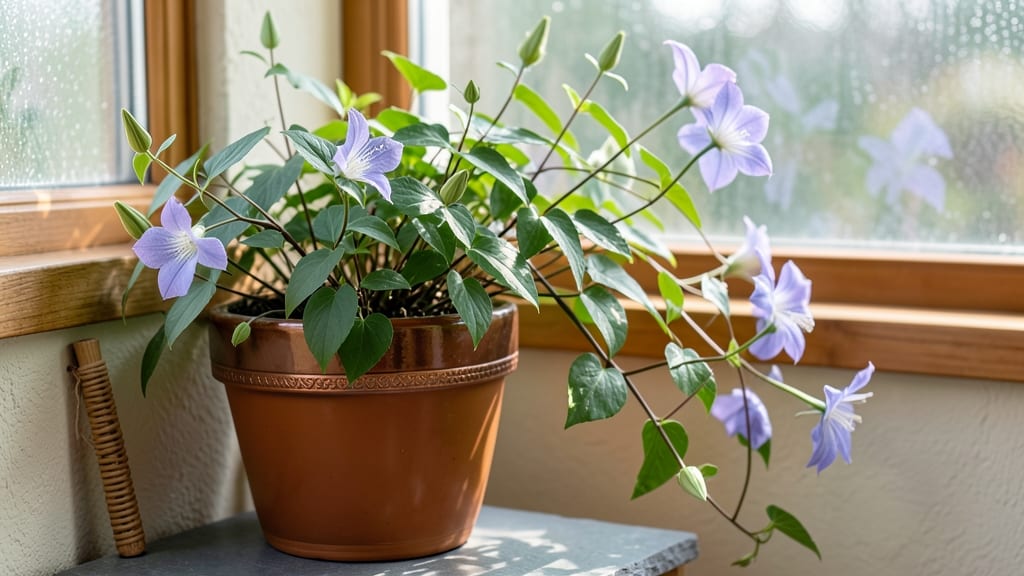
Growing an indoor clematis plant lets you enjoy those romantic, fragrant blooms year-round—no yard required. 🌿 I’ve wrestled with these vines for years, and the secret isn’t just the right pot or soil, but mastering pruning to keep them lush and flowering.
The first time I saw my indoor clematis climb a trellis in winter, I knew I’d cracked the code. Clematis thrives indoors when you mimic its outdoor habitat: bright, indirect light near a window, well-draining soil, and a 10-15 gallon container with drainage.
Overwatering kills them faster than anything—let the top inch of soil dry out between waterings. Fertilize lightly every 4-6 weeks with a balanced formula, and you’ll see those iconic blooms return season after season. The real magic happens with pruning.
Group 1 clematis (like ‘Jackmanii’) needs a hard cut back in early spring, while Group 3 (like ‘Nelly Moser’) blooms on new growth—so prune after flowering. A sharp pair of shears and a little patience keep your plant compact, healthy, and blooming nonstop.
This works for any indoor space with decent light, from sunrooms to bright living rooms. The key is consistency—light, water, and pruning—and you’ll have a vine that’s the star of your home. Let’s get those blooms going!
📚 In This Guide
- What you need
- Instructions
- Tips and common mistakes
- Wrapping up and next steps
What you need
- ● Clematis plant: Choose a Clematis jackmanii (hardy variety) or Clematis montana (fragrant, compact). Opt for a potted specimen (4–6 inches in diameter) or a cutting from a healthy vine.
- ● Container: A 10–12 inch pot with drainage holes (terracotta or ceramic preferred). Ensure it’s at least 2–3 inches wider than the root ball.
- ● High-quality potting mix: A well-draining blend (e.g., 50% peat moss, 30% perlite, 20% compost). Avoid garden soil—it compacts and suffocates roots!
- ● Support structure: A small trellis, moss pole, or obelisk (4–6 feet tall) to guide the vine upward.
- ● Fertilizer: A balanced, slow-release fertilizer (10-10-10 or 20-20-20) or an organic option like fish emulsion (apply every 4–6 weeks).
- ● Pruning tools: Sharp bypass pruners (for clean cuts).
- ● Disinfectant (rubbing alcohol or bleach solution) to sterilize tools between cuts.
- ● Watering can with a rose attachment: For gentle, even hydration (avoid overhead spraying to prevent mildew).
- ● Humidity tray or pebble tray: Helps maintain 40–60% humidity, especially in dry climates.
- ● Grow lights (LED or fluorescent): If natural light is less than 6 hours/day, supplement with 12–14 hours of light.
- ○ Mulch (optional): A thin layer of orchid bark or coconut coir to retain moisture and regulate temperature.
- ● Plant ties or soft twine: To secure the vine to the trellis as it grows.
- ● Spray bottle: For misting leaves (if humidity is low).
- ● Location: A bright, indirect light spot (e.g., near an east or north-facing window). Avoid harsh afternoon sun.
- ● Temperature: Keep between 60–75°F (15–24°C). Avoid drafts or sudden temperature swings.
- ● Patience: Clematis may take 6–12 months to establish and bloom indoors!
How to grow and prune an indoor clematis for year-round blooms
Let’s turn your indoor clematis into a fragrant, blooming powerhouse with these simple steps.
🌱 Step 1: Choose the Right Variety and Pot for Indoor Success
Not all clematis thrive indoors—opt for compact varieties like Clematis montana or Clematis armandii, which tolerate lower light and smaller spaces. A 12-16 inch pot with drainage holes is ideal; clematis roots need air and hate soggy soil. I always use a well-draining potting mix (equal parts peat, perlite, and compost) to prevent root rot.
Place your clematis near a bright, east- or west-facing window where it gets 4-6 hours of indirect light daily. South-facing windows work too, but watch for leaf scorch—if leaves turn crispy, move it back a few feet. This plant loves humidity, so set the pot on a tray of pebbles filled with water to mimic its natural damp environment.
☀️ Step 2: Master Light and Temperature for Consistent Blooms
Indoor clematis need bright, indirect light to flower well. If your space lacks natural light, supplement with a grow light (12-14 hours daily). I’ve seen leggy growth when light was too weak—this means the plant stretches toward any available light source. Rotate the pot quarter-turn weekly so it grows evenly.
Keep temperatures between 60-75°F during the day and 55-65°F at night. Drafts from windows or vents can stress the plant, so avoid placing it near air conditioning or heating sources. If buds form but drop before opening, it’s usually a temperature fluctuation—keep conditions stable.
💧 Step 3: Water and Feed for Lush, Fragrant Growth
Water when the top 1-2 inches of soil feel dry—clematis roots need consistent moisture but hate sitting in water. I use the "finger test" daily: stick your finger in the soil. If it’s dry at that depth, water thoroughly until it drains from the bottom. Empty the saucer after 10 minutes to prevent root rot.
Feed every 4-6 weeks with a balanced liquid fertilizer (10-10-10 or 20-20-20) diluted to half-strength. During bloom season (spring and summer), switch to a high-phosphorus formula (like 5-10-5) to encourage more flowers. Stop fertilizing in fall to let the plant rest.
✂️ Step 4: Prune for Year-Round Blooms (The Secret to Success)
Pruning indoor clematis is where the magic happens. Group 1 varieties (early spring bloomers) need minimal pruning—just trim dead or weak stems after flowering. Group 2 varieties (repeat bloomers) get a harder cut: prune back to 2-3 strong buds in late winter to encourage new growth.
Here’s the trick: Never prune in fall—this is when buds form for next year’s blooms. Use clean, sharp pruners and make cuts at a 45-degree angle just above a leaf node. Remove any crossing or inward-growing stems to improve airflow. After pruning, give the plant a light fertilizer to recover.
🌿 Step 5: Overwinter for Next Year’s Blooms
In late fall, reduce watering slightly and stop fertilizing entirely. Clematis need a cool, dormant period to rebloom well. If your home stays above 65°F, move the plant to a cooler spot (like a garage with natural light) for 6-8 weeks. This mimics winter conditions and prevents leggy growth.
Check for pests like spider mites or aphids—wipe leaves with a soapy water solution if needed. In early spring, resume regular care. You’ll see new growth within 3-4 weeks, and with proper pruning, another season of fragrant blooms awaits.
Tips & tricks for perfect indoor clematis care
Here's what nobody tells you about keeping your indoor clematis thriving all year.
Lighting Strategy: If your east- or west-facing window doesn't provide enough light, invest in a full-spectrum LED grow light for those 12-14 hours daily. I've seen plants with leggy growth when natural light was insufficient—this means they're stretching toward any available light source. Position the light about 6-12 inches above the plant and rotate the pot quarter-turn weekly to prevent uneven growth.
Temperature Stability: The 60-75°F daytime range is crucial for blooming. If your home has hot spots near vents or cold drafts from windows, consider moving the plant to a more stable location. I've noticed buds drop prematurely when temperatures fluctuate more than 10°F between day and night—keep it consistent for best results.
Pruning Precision: When pruning Group 2 varieties back to 2-3 strong buds in late winter, look for buds that are plump and facing outward. These will produce the most vigorous new growth. I always sterilize my pruners with rubbing alcohol between cuts to prevent spreading disease. After pruning, give the plant a light fertilizer to help it recover and prepare for new growth.
Humidity Boost: Clematis love humidity, and indoor air can be too dry. Besides the pebble tray method, I've found that misting leaves lightly in the morning helps maintain that damp environment they crave. Just avoid getting water on the flowers—it can cause them to rot. You can also group plants together to create a microclimate of higher humidity around them.
Pro Tips for Indoor Clematis Plant
- Here's what nobody tells you about keeping your indoor clematis thriving all year.
- Lighting Strategy: If your east- or west-facing window doesn't provide enough light, invest in a full-spectrum LED grow light for those 12-14 hours daily.
- Temperature Stability: The 60-75°F daytime range is crucial for blooming.
Frequently asked questions
Got questions about keeping your indoor clematis plant thriving? You’re not alone! Here are some of the most common concerns—and their solutions—to help you master year-round care with confidence.
Can I grow clematis indoors year-round, or is it better to move it outside in summer?
While clematis loves bright, indirect light year-round, most varieties thrive best outdoors during summer (6+ hours of sun). For indoor-only growth, choose compact varieties like Clematis montana or Clematis armandii, and supplement with a grow light (12–14 hours/day) to mimic seasonal changes. If moving outdoors, harden off the plant gradually to avoid shock!
Why are my clematis leaves turning yellow, and how do I fix it?
Yellowing leaves usually signal overwatering or nutrient deficiencies. Check soil moisture—clematis prefers well-draining soil and water only when the top inch feels dry. For yellowing on older leaves, it’s often normal aging, but new yellow leaves + drooping mean root rot. Repot in fresh, chalky soil mix (add perlite or sand) and trim affected roots if needed.
When and how should I prune my indoor clematis?
Prune indoor clematis in early spring (before new growth) to shape the plant and encourage blooms. Use clean, sharp shears to cut back:
- Dead or weak stems to the base.
- Overcrowded growth to improve airflow (aim for 6–8 main stems).
- Spenders (Group 3): Prune hard (by ⅓) for bushier blooms.
- Avoid pruning in fall/winter—it stresses the plant before dormancy.
What’s the ideal temperature and humidity for indoor clematis?
Clematis prefers cool to moderate temps (60–75°F), avoiding drafts or heat sources like radiators. For humidity, aim for 40–60%—mist leaves lightly or use a pebble tray if your home is dry. Never let it sit in soggy conditions, though! Grouping plants together or using a humidifier near the area can help mimic outdoor moisture levels.
Will my indoor clematis bloom, or should I just get a different plant?
Yes! With the right care, indoor clematis can bloom—though expect smaller, less frequent flowers than outdoor varieties. Choose compact, fragrant types like Clematis ‘Freckles’ or ‘Nelly Moser’ for better indoor success. Boost blooms by:
- Feeding with high-phosphorus fertilizer (like 10-30-20) in spring/summer.
- Ensuring bright, indirect light (south or west-facing windows are ideal).
- Avoiding overcrowding—prune to improve airflow.
Wrapping up and next steps
Growing an indoor clematis plant is a rewarding journey that brings year-round beauty and fragrance into your home—with a little pruning mastery! Remember, these vining charmers thrive with the right balance of light, support, and seasonal care.
Whether you’re a seasoned gardener or a beginner, the key is patience and observation—your clematis will thank you with lush blooms and a heady scent.
Ready to take the next step? Start small: pick a healthy cutting or a well-established plant, and give it the love it deserves. Before you know it, your indoor space will be alive with vibrant colors and intoxicating fragrance! 🌿✨