
Container Gardens
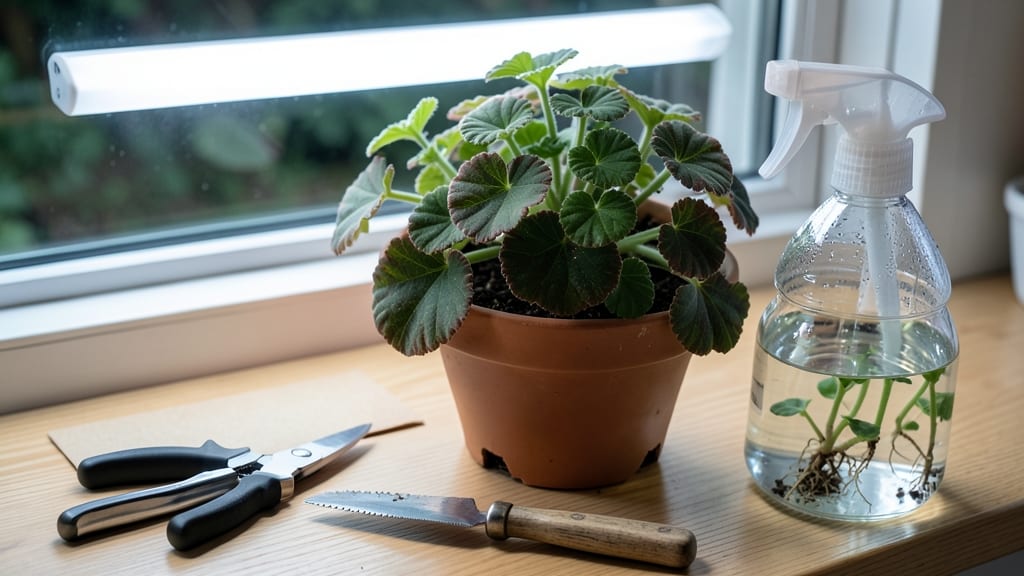
Winterizing geraniums indoors isn't hard—just simple pruning and the right spot keeps them thriving until spring. 🌿 I’ve saved my favorite varieties for five winters now by treating them like the tough survivors they are: cut back, check for pests, and give them bright light.
The key is avoiding two common mistakes: overwatering and letting them sit in drafts.
Start by snipping stems back to 4-6 inches—this encourages bushier growth. Then inspect leaves for spider mites or mealybugs (a damp cloth wipe removes most). Place your pots near a south-facing window or under grow lights 12+ hours daily. Too little light means leggy, weak stems by spring.
Keep soil barely moist (water only when top inch feels dry) and maintain 60-65°F temps. Humidity matters too—group plants together or use a pebble tray to prevent dry air from crisping leaves. By March, you’ll see fresh green shoots pushing through, ready for repotting outdoors.
Pro tip: Rotate pots weekly so all sides get even light. And don’t rush—wait until last frost to move them back outside. With these steps, your geraniums will bloom just as vibrantly next summer, proving winter was just a short nap for them.
📚 In This Guide
- What you need
- Instructions
- Tips and common mistakes
- Wrapping up and next steps
What you need
- ● Healthy geranium plants: Choose well-established, pest-free plants with no signs of disease.
- ● Containers with drainage holes: 1-2 per plant (6-8 inches in diameter for most varieties). Ensure they’re clean and in good condition.
- ● Well-draining potting mix: A high-quality blend designed for container plants (e.g., 50% peat moss, 30% perlite, 20% vermiculite). Approx. 1-2 gallons per plant.
- ● Pruning shears or sharp scissors: Sterilized with rubbing alcohol to prevent disease transmission.
- ● Spray bottle with water: For misting leaves (use room-temperature water).
- ○ Grow lights or a sunny windowsill: South- or west-facing windows are ideal. Optional but recommended if natural light is limited.
- ● Humidity tray or pebble tray: Helps maintain moisture levels in dry indoor air.
- ● Fertilizer (balanced, water-soluble): Diluted to half-strength (e.g., 10-10-10 or 20-20-20). Use sparingly—once every 4-6 weeks.
- ● Insecticidal soap or neem oil: For treating pests like spider mites or aphids.
- ● Plant labels: To track varieties and care schedules.
- ● Thermometer/hygrometer: Monitors temperature (60-65°F) and humidity (40-50%).
- ● Rooting hormone (for propagation): If you plan to take cuttings from healthy stems.
Step-by-Step instructions for winterizing geraniums indoors
Here's how I keep my geraniums thriving through winter—no fuss, just simple care.
🌿 Step 1: Prune Back the Foliage
Start by cutting back each stem to about 3-4 inches above the soil line. Use clean, sharp scissors to make the cuts at a slight angle—this prevents water from pooling and causing rot. I like to work in good light so I can see exactly where each cut lands.
Remove any yellow or brown leaves completely. Healthy green leaves will stay behind, and you'll notice the plant looks instantly tidier. This pruning isn't just cosmetic—it helps the plant focus its energy on root growth rather than maintaining old stems during dormancy.
✂️ Step 2: Check for Pests and Diseases
Inspect every stem and leaf carefully. Look for tiny white spots (mealybugs), sticky residue (aphids), or any black spots that could indicate fungal issues. I run my fingers along the stems to feel for any bumps or webbing that might hide pests.
If you spot anything, isolate the plant immediately and treat it with a mild solution of 1 part neem oil to 4 parts water. Spray the entire plant thoroughly, focusing on the undersides of leaves where pests love to hide. Let it dry completely before moving on to the next step.
🪴 Step 3: Prepare the Pot for Indoor Conditions
Choose a bright location indoors—near an east or west-facing window gets 4-6 hours of indirect light daily. If your space is dimmer, supplement with a grow light placed 6-12 inches above the plant for 12-14 hours per day. Geraniums need light to survive winter.
Reduce watering dramatically. Let the top 1-2 inches of soil dry out completely between waterings. Overwatering is the #1 killer of indoor geraniums—you'll know it's time when the soil feels light and dry to the touch. I water from the bottom by placing the pot in a shallow tray of water for 10 minutes, then letting it drain completely.
☀️ Step 4: Monitor and Adjust Through Winter
Watch for signs of stress: yellowing leaves usually mean too much water, while leggy growth with small leaves signals insufficient light. If you see new growth, that's a good sign—the plant is adapting to indoor conditions.
Every few weeks, gently turn the pot a quarter turn to ensure even light exposure. This prevents the plant from growing lopsided toward the window. If you notice any brown leaf edges, it's often a sign of cold drafts—move the plant away from windows or doors that might get chilly.
Tips & tricks for perfect winterizing geraniums indoors
Real talk: Winterizing geraniums isn't rocket science, but these little details make all the difference between a sad, leggy plant and one that thrives all season long.
Pruning Precision: When you cut those stems back to 3-4 inches in Step 1, make sure you're cutting just above a leaf node (the bump where leaves grow). This hidden detail ensures new growth will sprout from exactly where you want it. I've seen people cut too high and end up with bare stems—don't make that mistake! The slight angle cut also helps water run off, preventing rot at the stem base.
Pest Inspection Hack: In Step 2, don't just look at the leaves—run your fingers along the stems and check the undersides of leaves where pests love to hide. I use a bright flashlight to shine through the leaves (yes, really!) which makes mealybugs and spider mites stand out like neon signs. If you spot any pests, act immediately—those little critters multiply fast, and once they're established, they're tough to eliminate.
Light Strategy: That 4-6 hours of indirect light in Step 3 is non-negotiable. If your space is dimmer, I can't stress enough how important that grow light becomes. Position it so it's just 6-12 inches above the plant—any closer and you'll burn the leaves, any farther and it won't be effective. I set a timer for my grow light to run 12-14 hours daily, same as daylight hours, to keep the plant's natural rhythms.
Watering Wisdom: The 10-minute bottom-watering method in Step 3 is a game-changer. It ensures water reaches the roots without soaking the leaves, which prevents fungal issues. Here's the thing: When you take the pot out of the water tray, let it drain completely in the sink. I've seen people leave pots sitting in water, and that's how root rot starts. Also, that top 1-2 inches of dry soil is your guide—stick your finger in to check before watering again.
Pro Tips for Winterize Geraniums Indoors
- Real talk: Winterizing geraniums isn't rocket science, but these little details make all the difference between a sad, leggy plant and one that thrives all season long.
- Pruning Precision: When you cut those stems back to 3-4 inches in Step 1, make sure you're cutting just above a leaf node (the bump where leaves grow).
- Pest Inspection Hack: In Step 2, don't just look at the leaves—run your fingers along the stems and check the undersides of leaves where pests love to hide.
Frequently asked questions
Got questions about keeping your geraniums thriving indoors this winter? You’re not alone! Here are answers to the most common concerns—so you can enjoy lush, blooming geraniums all year long.
When is the best time to bring geraniums indoors?
Start moving geraniums indoors before the first frost—typically late summer to early fall (August–October, depending on your climate). Watch for nighttime temps dropping below 50°F (10°C). Early action prevents shock and ensures a smoother transition.
Do I need to trim my geraniums before winterizing?
Yes! Trim back leggy stems and dead foliage to 4–6 inches tall before bringing them inside. This encourages compact growth and reduces pests. Skip heavy pruning—save that for early spring to promote new blooms.
Can I winterize geraniums in a sunny window instead of under grow lights?
Sunny windows work, but south-facing ones with 6+ hours of direct light are ideal. If natural light is weak, supplement with grow lights (12–14 hours/day). Without enough light, geraniums may become leggy or stop blooming.
How do I prevent pests (like spider mites) on indoor geraniums?
Isolate new plants for 2–3 weeks to spot pests early. Wipe leaves with neem oil or insecticidal soap if needed. Boost humidity (pebble trays help!) to deter mites—dry air is their favorite breeding ground.
What’s the ideal indoor temperature for winterized geraniums?
Keep temps between 60–70°F (15–21°C) during the day and no lower than 50°F (10°C) at night. Avoid drafts (like near AC vents) or sudden temp swings, which stress plants and invite diseases like powdery mildew.
Wrapping up and next steps
Winterizing your geraniums indoors doesn’t have to be complicated—just a few thoughtful steps can keep them thriving until spring! With the right care, bright light, pruning, and a cozy spot, you’ll enjoy lush foliage year-round.
Now that you’re equipped with the know-how, why not treat yourself to a little green therapy? Next, grab those shears and give your geraniums a fresh start—your winter garden awaits! 🌱✨