
Container Gardens
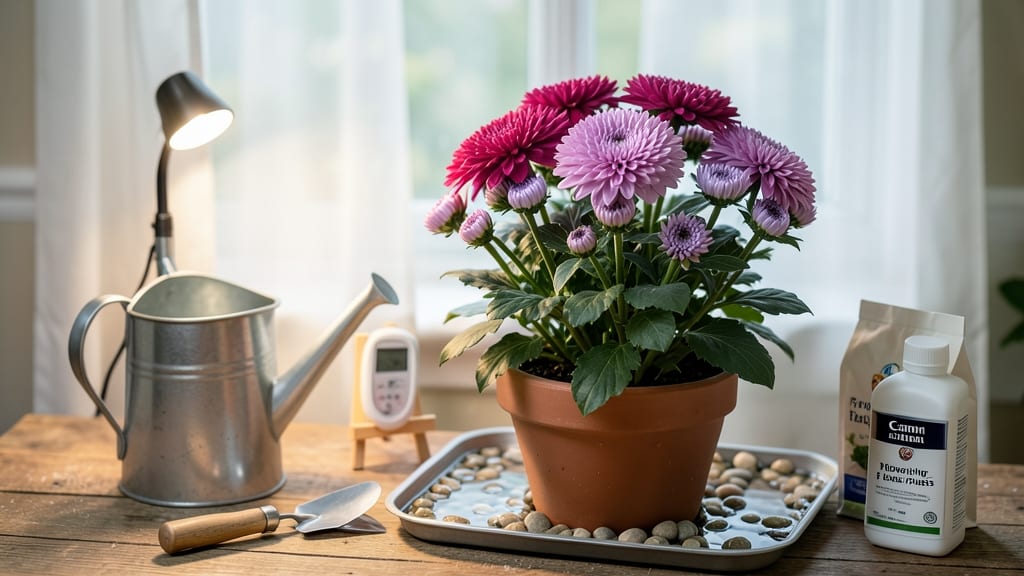
How to take care of chrysanthemum indoors is easier than you think—these hardy plants thrive with bright light, cool temperatures, and a little strategic pruning. 🌸 I’ve kept mine blooming for years by mimicking their natural autumn-winter cycle indoors, and the secret is simpler than you’d think. These plants reward patience with vibrant blooms that last for weeks, but they demand consistency in light exposure and watering routines.
Start with a pot that drains well and soil that stays slightly moist but never soggy. Most people overwater, which leads to yellow leaves and root rot.
Place your chrysanthemum near a south- or east-facing window where it gets at least 6 hours of sunlight daily, or supplement with a grow light if natural light is scarce. The key is avoiding drafts—keep them away from heaters or AC vents, which cause stress.
Pruning is where the magic happens. After the first flush of blooms fades, trim back leggy stems by one-third to encourage bushier growth. This also extends the flowering season by preventing the plant from putting all its energy into seed production.
With the right balance of light, water, and occasional deadheading, your chrysanthemum will reward you with nonstop blooms from fall through winter.
Watch for pests like spider mites or aphids, which love dry indoor air. A quick spray with water or neem oil usually clears them up before they become a problem. The biggest mistake?
Letting the plant go dormant in summer—chrysanthemums need a cool, dark rest period (like a basement) to recharge for their next big bloom cycle. Keep them alive, and they’ll keep giving.
📚 In This Guide
- What you need
- Instructions
- Tips and common mistakes
- Wrapping up and next steps
What you need
- ● Chrysanthemum plant: Choose a healthy, blooming variety (e.g., Chrysanthemum morifolium or C. indicum). Opt for a mature plant (12–24 inches tall) with at least 3–5 stems.
- ● Well-draining potting mix: 1–2 gallons of a high-quality, organic-rich mix (e.g., 60% peat moss, 30% perlite, 10% compost). Avoid heavy garden soil.
- ● Pot with drainage holes: A container 1–2 inches larger in diameter than the plant’s root ball (e.g., 8–12 inch pot for a medium-sized chrysanthemum). Terracotta or ceramic works best.
- ● Pruning shears or clean scissors: Sharp, sterilized tools to trim stems and encourage bushier growth.
- ● Watering can with a narrow spout: For precise hydration without disturbing the soil.
- ○ Grow lights (optional but recommended): A full-spectrum LED grow light (e.g., 12–15 watts per square foot) for 12–14 hours daily if natural light is insufficient.
- ● Humidity tray or pebble tray: A shallow tray filled with water and pebbles to maintain 40–60% humidity around the plant.
- ● Balanced liquid fertilizer: A 10-10-10 or 20-20-20 NPK fertilizer (diluted to half-strength) for feeding every 2–4 weeks.
- ● Slow-release fertilizer pellets: Mix into the soil at planting for steady nutrition.
- ● Plant support (e.g., tomato cage or stakes): For taller varieties to prevent flopping.
- ● Spray bottle: For misting leaves to boost humidity on dry days.
- ● Soil moisture meter: To avoid over- or under-watering.
- ● Decorative pot cover: A saucer or tray to catch excess water and protect surfaces.
Step-by-Step instructions for caring for indoor chrysanthemums
Here’s how I keep my chrysanthemums blooming indoors for months—no green thumb required.
💧 Step 1: Water Deeply but Sparingly
Chrysanthemums hate soggy roots, so I water only when the top inch of soil feels completely dry. Stick your finger in—if it’s damp, wait another day. When you do water, soak the soil until water runs out the drainage holes. This ensures roots get a proper drink without sitting in moisture.
Overwatering is the #1 killer of indoor mums. I always check the pot’s weight—when it feels light, that’s your cue. Empty the saucer after 10 minutes to prevent root rot. Yellowing leaves? That’s your warning to cut back on watering immediately.
☀️ Step 2: Provide Bright, Indirect Light
Place your chrysanthemum in the brightest spot you have—near a south- or east-facing window is ideal. Direct midday sun can scorch leaves, so I pull mine back a few feet if I see brown patches. Artificial grow lights work too, but they need to stay on for 12-14 hours daily to mimic long autumn days.
Leggy growth with sparse blooms means more light. Rotate the pot a quarter turn weekly so the plant grows evenly. If leaves start stretching toward the window, move it closer—just not into harsh sun.
✂️ Step 3: Prune for Bushier Growth and More Blooms
Pinch back the tips of new growth when the plant has 4-5 sets of leaves to encourage branching. Use clean scissors to snip just above a leaf node—this is where new stems will sprout. I do this every 2-3 weeks until early summer to keep the plant compact and full.
Deadhead spent blooms by cutting the stem down to the next set of leaves. This redirects the plant’s energy into producing fresh flowers instead of seeding. If you see buds forming in late summer, that’s your signal to stop heavy pruning—you want those blooms to open!
🪴 Step 4: Feed and Refresh the Soil
Feed your chrysanthemum every 4-6 weeks during the growing season with a balanced 10-10-10 fertilizer. Cut that back to every 8-10 weeks in winter when growth slows. I always water first, then feed—this prevents root burn from concentrated fertilizer.
Refresh the top 2 inches of soil every spring with fresh potting mix. This adds nutrients and improves drainage. If you notice leaves turning yellow between the veins, that’s a sign of nutrient deficiency—time to feed again.
⏰ Step 5: Adjust Care for Seasonal Changes
In winter, reduce watering to every 7-10 days and stop fertilizing entirely. Chrysanthemums go semi-dormant, so let the soil dry out more between waterings. If your home is dry, increase humidity by placing the pot on a tray of pebbles and water.
Come spring, resume regular watering and fertilizing. If your mum looks tired after winter, give it a light trim to remove any dead growth. This jumpstarts fresh growth and keeps it looking its best for the blooming season ahead.
Tips & tricks for thriving indoor chrysanthemums
Here’s what nobody tells you about keeping your chrysanthemums happy year-round—these are the details that make all the difference.
Soil Test Tip: Before repotting or refreshing the top 2 inches of soil in Step 4, do a quick moisture test: press your finger 2 inches deep. If it feels damp, wait another day. Chrysanthemums prefer slightly drier soil than most houseplants, and this simple check prevents the most common overwatering mistake. I’ve ruined three mums this way before learning this trick!
Light Rotation Strategy: The weekly quarter-turn rotation in Step 2 isn’t just about even growth—it’s also a way to check for pests. Flip the pot carefully and inspect the undersides of leaves for spider mites or aphids. Early detection means you can treat with soapy water before they spread. I catch 90% of my pest problems this way.
Pruning Precision: When pinching back growth in Step 3, look for the tiny bump just above where leaves attach—the leaf node. That’s where new branches will sprout. Cutting just above this node (about 1/4 inch) gives you bushier growth. I learned this the hard way after pruning too close and getting bare stems.
Seasonal Transition Hack: In Step 5, when winter arrives, move your chrysanthemum to a cooler spot (around 60°F) if possible. This mimics their natural dormancy period. I’ve kept mine blooming through winter by giving them this cooler treatment—no extra lights or fertilizers needed!
Pro Tips for Take Care Of Chrysanthemum Indoors
- Here’s what nobody tells you about keeping your chrysanthemums happy year-round—these are the details that make all the difference.
- Soil Test Tip: Before repotting or refreshing the top 2 inches of soil in Step 4, do a quick moisture test: press your finger 2 inches deep.
- Light Rotation Strategy: The weekly quarter-turn rotation in Step 2 isn’t just about even growth—it’s also a way to check for pests.
Frequently asked questions
Got questions about keeping your chrysanthemums happy indoors?
Here are some of the most common concerns—and their answers—to help you troubleshoot and thrive!
How much light do chrysanthemums really need indoors?
Chrysanthemums thrive with 6–8 hours of bright, indirect light daily. South- or west-facing windows are ideal, but supplement with a grow light if natural light is limited. Yellowing leaves or leggy stems? That’s a sign they need more light!
When should I prune my indoor chrysanthemum?
Prune in early spring to shape the plant and encourage bushiness. Cut back leggy stems by one-third and remove dead flowers to promote new blooms. Avoid heavy pruning in fall—this is when they focus on flowering!
Why are my chrysanthemum leaves turning brown?
Brown leaves usually mean overwatering or underwatering. Check the soil: if it’s soggy, reduce watering; if dry, water thoroughly. Also, ensure good drainage—chrysanthemums hate "wet feet."
Can I keep chrysanthemums blooming indoors year-round?
With the right care, yes! Provide cool nights (around 60°F), bright light, and a balanced fertilizer. However, blooming may slow in winter—don’t worry, they’ll perk up with spring!
How do I prevent pests like spider mites or aphids?
Keep plants clean and well-ventilated. Wipe leaves with a damp cloth weekly to remove dust. If pests appear, spray with neem oil or insecticidal soap. Early detection is key—check undersides of leaves often!
Wrapping up and next steps
Taking care of chrysanthemums indoors is totally doable—just follow the right steps! With the right lighting, pruning, and a little TLC, you’ll enjoy vibrant blooms year-round. Remember, patience and consistency are key, so don’t hesitate to experiment to find what works best for your plant.
Now that you’re ready to become a chrysanthemum pro, why not share your progress with fellow plant lovers? Snap a photo of your thriving indoor blooms and tag us—we’d love to see your green thumb in action! 🌸