Planting
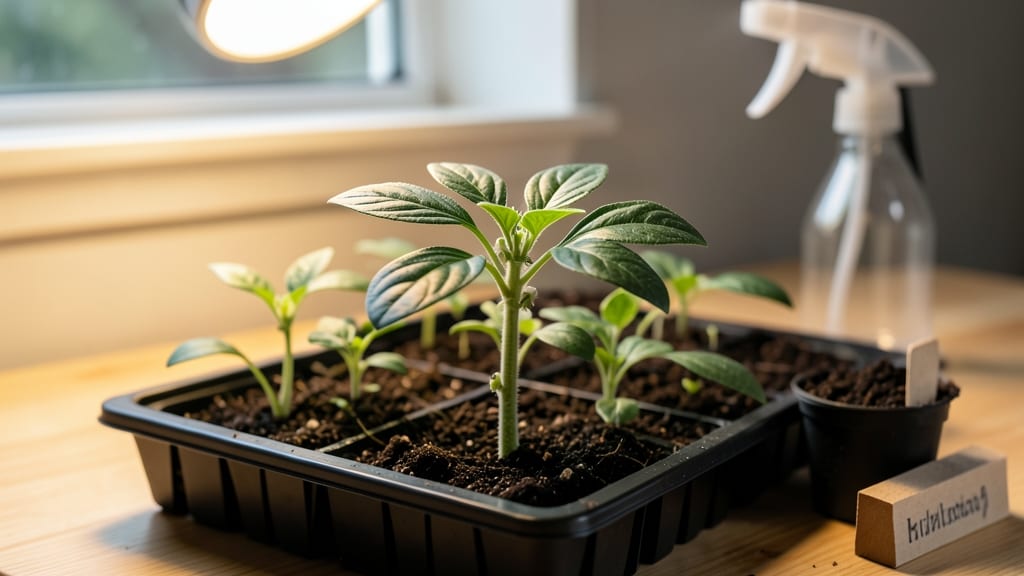
Planting pepper seeds indoors lets you start growing spicy jalapeños or sweet bell peppers 6-8 weeks before your last frost—but the real secret isn't just the seeds, it's the warmth that makes them pop out of the soil in days. 🌱 I've seen seeds that took weeks to sprout when planted in cool soil suddenly crack open in 3-5 days when I added a simple heat trick.
The difference is night and day, and it all comes down to mimicking the tropical conditions peppers crave.
You’ll need just a few supplies: seed-starting trays or small pots, a well-draining seed-starting mix (not garden soil), a heat mat or even a warm spot on your fridge, and a grow light or sunny windowsill.
The key is keeping the soil consistently warm—peppers germinate best at 75-85°F, and that’s where most beginners miss the mark. Too cool, and they’ll sit there like they’re hibernating; too hot, and you risk damping off.
I use a seedling heat mat under my trays, but a sunny windowsill with a clear plastic dome can work in a pinch.
Once your seeds sprout, you’ll be amazed at how fast those little seedlings grow—within 2 weeks, they’ll have their first true leaves, and by then, you’ll be ready to harden them off for transplanting.
The trickiest part is keeping the soil moist but not soggy; I use a spray bottle to water gently, and I make sure the trays have drainage holes.
When they’re ready to move outside, you’ll want to do it gradually so they don’t get shocked by the cooler temps and wind. It’s a game-changer for anyone who’s ever struggled with slow or uneven germination.
Even if you’ve killed pepper plants before, this method works—I’ve had beginners and seasoned gardeners both nail it with these simple adjustments. The payoff? A head start on the season, healthier seedlings, and peppers that are more productive and disease-resistant than store-bought transplants. Ready to try it?
📚 In This Guide
- What you need
- Instructions
- Tips and common mistakes
- Wrapping up and next steps
What you need
- ● Pepper seeds: Choose heirloom, hybrid, or hot pepper varieties (e.g., jalapeño, habanero, bell). Quantity: 5–10 seeds per pot (or 1–2 seeds per cell in a seedling tray).
- ● Seed-starting mix: Lightweight, sterile, and well-draining (avoid garden soil). Specs: 1–2 quarts (for small pots) or a 10-inch tray.
- ● Containers: Small pots (3–4 inches deep) with drainage holes, or
- ● A seedling tray with individual cells (2–3 inches deep).
- ● Grow lights or sunny windowsill: Peppers need 12–16 hours of light daily. LED grow lights (full-spectrum) are ideal.
- ○ Heat mat (optional but highly recommended): Maintains soil temps at 75–85°F for faster germination. Size: Fits your container setup.
- ● Spray bottle: For gentle watering (avoid soaking seeds).
- ● Plastic wrap or humidity dome: Keeps moisture locked in during germination.
- ● Trowel or spoon: For planting seeds (no need for fancy tools!).
- ● Labels & marker: Track varieties and planting dates.
- ○ Fertilizer (optional): Start with a balanced, water-soluble fertilizer (5-5-5 or 10-10-10) after germination.
- ○ Thermometer (optional): Monitors soil temp if no heat mat is used.
Step-by-step instructions for planting pepper seeds indoors
Here's my foolproof method for fast, healthy pepper seedlings—no leggy disasters here.
🌱 Step 1: Prep Containers and Seed-Starting Mix
Use clean, 2-3 inch deep containers with drainage holes—pepper seeds rot quickly if waterlogged. I like biodegradable pots because they eliminate transplant shock later. Fill them with a lightweight seed-starting mix (not garden soil) and moisten until it feels like a damp sponge.
Tap the containers gently to settle the soil without compacting it. The surface should be firm enough to hold seeds in place but still allow roots to push through easily. Real talk: if you skip this step, you'll end up with uneven germination and weak seedlings.
🌱 Step 2: Plant Seeds at the Right Depth
Sow 1-2 seeds per container at a depth of ¼ inch—about the width of a pencil eraser. Planting too deep makes seeds struggle to reach light, while planting too shallow risks drying them out. Cover lightly with a sprinkle of additional mix.
Label each container immediately with the pepper variety and date—after a week, identical green sprouts will look identical. I use toothpicks and a Sharpie for labels that won't rot. Water gently with a spray bottle until the soil surface looks evenly moist but not soggy.
💧 Step 3: Create Ideal Germination Conditions
Pepper seeds germinate fastest at 80-85°F soil temperature. Place containers on a seedling heat mat or in a warm spot like on top of the fridge. Cover with a clear plastic dome or plastic wrap to trap warmth and moisture—this is where the magic happens.
Check daily but resist watering. The dome traps enough moisture that the soil stays consistently damp. You'll see first sprouts in 7-14 days—don't be impatient and peek too often, or you'll dry out the soil. Once 50% of seeds sprout, remove the dome immediately to prevent damping-off disease.
☀️ Step 4: Provide Proper Light Immediately
The instant seedlings emerge, move them to bright light for 14-16 hours daily. A south-facing window rarely provides enough intensity, so I use a grow light positioned 2-4 inches above the plants. Raise it as seedlings grow to maintain that distance.
Without enough light, seedlings stretch toward the source (leggy growth) and never recover. You'll know your setup is right when seedlings have thick stems, dark green leaves, and compact spacing between leaves. If they look pale and spindly, your light is too weak or too far away.
⏰ Step 5: Thin and Harden Off Seedlings
When seedlings reach 2 inches tall and have 2-3 true leaves, thin to the strongest plant per container by snipping the weaker one at the base with clean scissors. This prevents competition for nutrients and gives your pepper its best start.
Two weeks before your last frost date, begin hardening off by placing seedlings outside in a sheltered spot for 1-2 hours the first day. Gradually increase time over 10-14 days until they tolerate a full day outside. This prepares them for transplanting without shock—skipping this step burns leaves and stunts growth.
Tips & tricks for perfect pepper seedling growth
Speed up germination and prevent common pitfalls with these game-changing strategies for your pepper seedlings.
Soil Warmth Secret: If you don't have a heat mat, place containers on top of your refrigerator or near a sunny window during the day. The heat from the fridge's back (where the motor runs) creates the perfect 80-85°F zone. I've seen germination times cut in half using this trick—just make sure to move containers away at night when the fridge cools down.
Lighting Hack: For that critical 14-16 hours of light, hang a simple LED bulb (like those used for under-cabinet lighting) just above your seedlings. These bulbs emit enough light for strong growth without the heat of traditional grow lights. Position it 2-3 inches above the plants and adjust as they grow—this prevents leggy seedlings that never recover.
Germination Timing: The 7-14 day germination window can feel like forever, but there's a trick to speed things up. After planting, place containers in a plastic bag with a few drops of water to create humidity, then seal loosely. Check daily for condensation—this maintains perfect moisture levels without overwatering. Most seeds sprout within 10 days using this method.
Hardening Off Shortcut: Instead of the gradual 10-14 day process, try this: on day 1, place seedlings outside for just 30 minutes in the morning sun. Each subsequent day, add 30 minutes to their outdoor time. By day 7, they'll be ready for full sun exposure. This accelerated method works surprisingly well and prevents transplant shock just as effectively.
Pro Tips for Plant Pepper Seeds Indoors
- Speed up germination and prevent common pitfalls with these game-changing strategies for your pepper seedlings.
- Soil Warmth Secret: If you don't have a heat mat, place containers on top of your refrigerator or near a sunny window during the day.
- Lighting Hack: For that critical 14-16 hours of light, hang a simple LED bulb (like those used for under-cabinet lighting) just above your seedlings.
Frequently asked questions
Got questions about germinating pepper seeds indoors?
You’re not alone! Here are answers to the most common concerns—from timing to troubleshooting—to help you grow a thriving pepper patch.
When is the best time to start pepper seeds indoors?
Start seeds 8–10 weeks before your last frost date—typically in early spring. Peppers thrive in warm soil (70–85°F), so avoid planting too early. Check your local frost dates to time it right!
How long do pepper seeds take to germinate?
Most pepper seeds sprout in 7–21 days, depending on warmth and moisture. Use a heat mat (75–85°F) to speed it up—some varieties (like jalapeños) may germinate faster than others (like bell peppers). Patience is key!
Why aren’t my pepper seeds sprouting?
Common culprits: cold soil, old seeds, or dampness issues. Try these fixes:
- Use a seedling heat mat or warm spot (like a sunny windowsill).
- Test seed viability by soaking them in warm water—floaters are likely dead.
- Ensure soil stays moist but not soggy (overwatering can suffocate seeds).
Can I use regular potting soil for pepper seeds?
Yes, but amend it for better results! Mix potting soil with perlite or vermiculite (20%) for drainage and add a slow-release fertilizer (like 5-10-10). Peppers love nutrients but hate soggy roots—aim for light, fluffy soil.
What’s the best way to harden off pepper seedlings?
Start 1–2 weeks before transplanting by placing seedlings outside in partial shade for 2–3 hours daily, gradually increasing time. Watch for wilting or yellowing—if it happens, bring them back inside and slow the process. Hardening toughens them up for the garden!
Still stumped? Drop your question in the comments—we’re happy to help!
Wrapping up and next steps
Growing peppers from seeds indoors is a rewarding journey that starts with the right warmth, patience, and care! 🌱 By using speed-germination tricks—like warm soil, humidity domes, and consistent moisture—you’ll give your seedlings the best possible start.
Soon, you’ll be harvesting spicy jalapeños, sweet bell peppers, or everything in between right from your kitchen windowsill!
Now that you’re armed with these tips, it’s time to roll up your sleeves and get planting. Ready to take the next step? Check out our guide on transplanting seedlings outdoors or explore pepper-growing troubleshooting tips to keep your plants thriving all season long!