
Planting
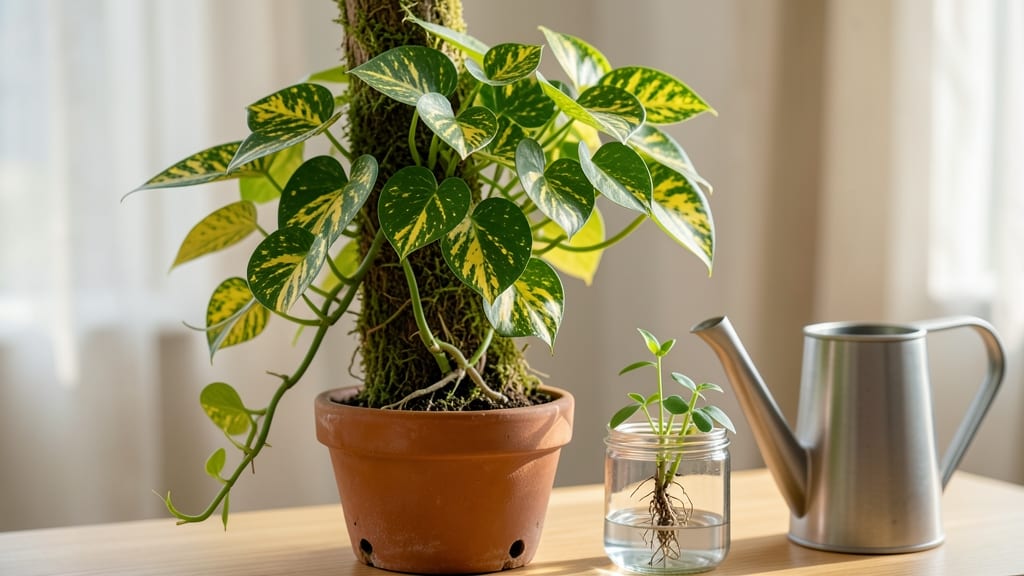
To plant a money plant 💱 indoors, start with a stem cutting in well-draining soil and a pot with drainage holes for fast root growth.
Picture this: a lush, leafy money plant thriving on your windowsill, its vibrant green branches symbolizing prosperity while purifying the air with minimal fuss. The key to unlocking this fast-growing beauty lies in the right soil, pot, and a little patience—no green thumb required.
Indoor money plants like bright, indirect light (think east or west-facing windows) and a balanced watering schedule that keeps the soil slightly moist but never soggy. Most beginners make two common mistakes: overwatering or choosing the wrong pot, both of which can stunt growth or worse.
In this guide, I’ll walk you through every step—from selecting your container to troubleshooting early challenges—so your money plant grows strong and healthy in weeks, not months.


Step-by-step indoor planting guide for money plant growth
Growing a money plant indoors is easier than you think, especially when you follow the right steps. This hardy vine thrives with minimal care, making it perfect for beginners.
Whether you're starting from stem cuttings or seeds, the key to fast root growth lies in selecting the right pot, soil mix, and propagation method. Let’s dive into the essentials to get your money plant off to a strong start.
Before planting, gather your supplies: a well-draining pot (with drainage holes), cactus or succulent soil mix, a clean cutting tool, and optional perlite or sand for extra drainage. Money plants prefer a slightly acidic to neutral soil pH between 6.1 and 7.0.
If your local soil is heavy clay, mix in perlite or orchid bark to improve aeration and prevent root rot.
Now, let’s get to the step-by-step process. Follow these instructions carefully to ensure your money plant grows strong and healthy from the start.
Choose the Right Pot
Select a terracotta pot or ceramic container with drainage holes. The pot should be 1-2 inches larger than the root ball of your money plant cutting. Avoid plastic pots, as they can trap moisture and cause root rot.
Prepare the Soil Mix
Use a well-draining soil mix like cactus or succulent soil. Mix in 20% perlite or orchid bark to improve aeration. Avoid garden soil, as it retains too much moisture and can suffocate roots.
Select Your Propagation Method
Stem Cutting (Recommended): Take a 4-6 inch cutting from a healthy stem. Let it dry for 1-2 hours to form a callous, then dip in rooting hormone (optional but speeds growth). Seeds: Rare for money plants, but if using, sow seeds in moist soil and keep warm.
Plant the Cutting or Seed
For cuttings, insert 1-2 inches deep into the soil. For seeds, press lightly into the top layer. Gently pat the soil to secure the cutting or seed without compacting it.
Water Gently
Water until the soil is moist but not soggy. Avoid overwatering, as money plants are drought-tolerant. Let the top inch of soil dry out between waterings.
Provide Bright, Indirect Light
Place your pot in bright indirect light, like near an east or west-facing window. Avoid direct sunlight, which can scorch the leaves. Rotate the pot weekly for even growth.
Monitor for Root Growth
After 2-4 weeks, check for new growth. If roots aren’t forming, ensure the soil isn’t too wet and the light conditions are ideal. Transplant if the pot becomes crowded.
Once your money plant starts showing signs of new growth, like shiny leaves or longer vines, it’s ready for regular care. Be mindful of common mistakes like overwatering or using the wrong soil mix, which can lead to yellow leaves or root rot.
Always ensure your pot has drainage holes and the soil stays slightly moist but never waterlogged.
With the right pot size, soil mix, and propagation method, your money plant will establish strong roots in just a few weeks. Keep an eye on its progress and adjust care as needed—your green thumb will thank you! 🌱
Pro tip: If your money plant grows too tall, prune it back by 1/3 to encourage
Optimal lighting and care tips for fast money plant root growth
Your money plant will thrive with the right balance of light exposure and humidity control. Unlike direct sunlight, which can scorch its leaves, this tropical vine loves bright indirect light—think east or west-facing windows.
Position it within 2-3 feet of a window to ensure those critical 4-6 hours of gentle sunlight daily.
During summer months, watch for signs of heat stress like crispy leaf edges. Rotate your pot every few weeks to promote even growth, as plants naturally lean toward their light source.
This simple habit prevents leggy stems and encourages bushier, healthier foliage that’s perfect for displaying your plant’s prosperity symbol.
- 🌞 Light: Place near east/west windows for 4-6 hours of bright indirect light—avoid harsh midday sun.
- 💧 Water: Soak soil when top 1-2 inches are dry; never let roots sit in water to prevent rot.
- 🌡️ Humidity: Use a pebble tray or humidifier to maintain 50-60% humidity, especially in dry winter air.
- ❄️ Winter Care: Reduce watering to every 14-21 days and move away from cold drafts near windows.
- 🌱 Fertilizer: Feed with balanced 10-10-10 fertilizer every 6-8 weeks in spring/summer only.
Adjust your watering schedule seasonally—your money plant will drink more during summer’s heat but needs far less in winter’s dormancy. Stick your finger 1-2 inches into the soil; if it’s dry, it’s time to water.
Overwatering is the #1 killer of money plants, so always use a pot with drainage holes and a well-draining mix like cactus/succulent soil blended with perlite.
Boost root growth with a humidity hack: Place your pot on a tray filled with pebbles and water. As the water evaporates, it creates a microclimate of moisture that mimics the plant’s tropical origins.
This trick is especially helpful in dry winter months when indoor air becomes parched. Mist the leaves occasionally too—just avoid soaking them to prevent fungal issues.
For fastest root development, consider a clear glass pot to monitor root growth visually. When roots reach the pot’s edges, it’s time to uproot and repot into a container just 1-2 inches larger.
This encourages denser root systems and prevents the plant from becoming root-bound, which stunts growth. Prune leggy stems in early spring to redirect energy into stronger root and leaf production.
Remember, your money plant’s health is a reflection of your care routine. With consistent indirect light, moderate watering, and humidity support, you’ll see those roots thicken and your plant flourish in just a few months—proof that prosperity grows with patience and attention. 🌿