
Size
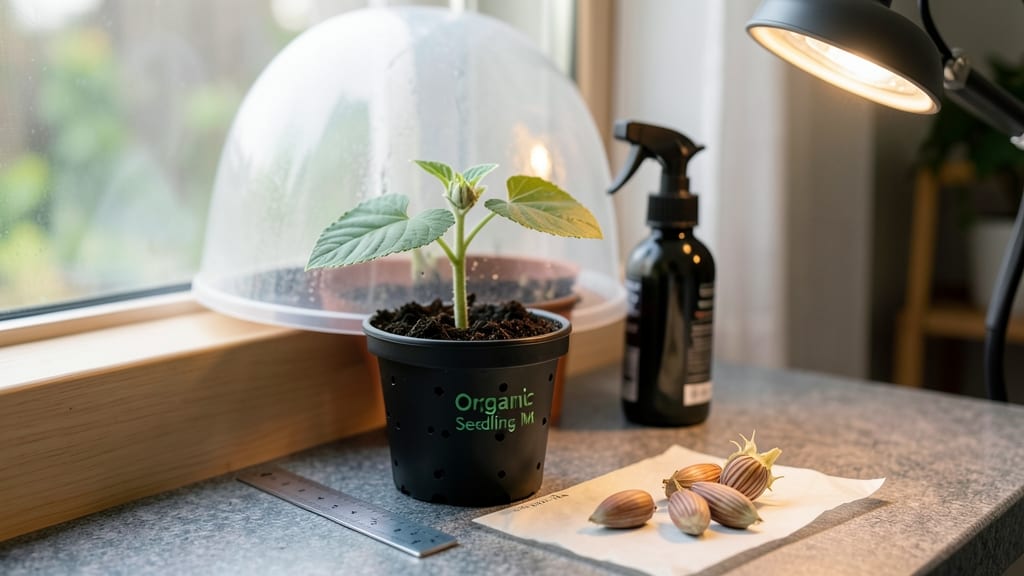
Growing sunflower seeds indoors lets you enjoy those towering blooms even when your space lacks sunlight. 🌻 I've grown sunflowers from seed indoors for years, and the trick is replicating their natural light needs with artificial sources—no greenhouse required.
The right setup transforms a sunny windowsill or grow light station into a sunflower factory.
Start with 3-5 seeds in a 6-inch pot filled with well-draining potting mix. Sunflowers need deep roots, so avoid tiny containers. Keep the soil consistently moist but never soggy, and place your setup where it gets 12-16 hours of light daily.
A basic LED grow light works wonders if natural light is weak.
Within 7-10 days, you'll see those first bright green leaves unfurling. With proper light and care, your seedlings will grow 2-3 feet tall indoors before transplanting outdoors (if you choose). The best part? You can grow sunflowers year-round, no waiting for spring.
Watch for leggy stems or yellowing leaves—these mean your light isn't strong enough. Adjust your grow light closer or add a few extra hours of light daily. With these tweaks, you'll have sunflowers reaching for the sky, even in the coziest of indoor spaces.
📚 In This Guide
- What you need
- Instructions
- Tips and common mistakes
- Wrapping up and next steps
What you need
- ● Sunflower seeds: Choose dwarf or medium varieties (e.g., 'Teddy Bear' or 'Moulin Rouge'), as they thrive indoors. Buy 3-5 seeds per container.
- ○ Containers: Use 6-8 inch diameter pots (one per seedling) with drainage holes. Optional: Seed trays with cells for germinating multiple seeds.
- ● High-quality potting mix: A well-draining, sterile mix (e.g., 60% peat moss, 30% perlite, 10% vermiculite). Avoid garden soil—it’s too dense!
- ● Grow lights: A full-spectrum LED grow light (12-16 watts per square foot) or a sunlight replacement bulb. Place it 6-12 inches above seedlings for 12-16 hours/day.
- ● Watering can or spray bottle: A gentle spray keeps seeds moist without drowning them.
- ● Plant labels: Small sticks or markers to track seed varieties and planting dates.
- ● Seedling heat mat: Keeps soil 70-75°F for faster germination (especially useful in cooler homes).
- ● Fertilizer: A balanced liquid fertilizer (10-10-10 or 20-20-20) diluted to half-strength. Start fertilizing 2-3 weeks after germination.
- ● Humidity dome or plastic wrap: Creates a mini greenhouse to retain moisture during germination.
- ● Support stakes or cages: Tall sunflowers may need bamboo stakes or tomato cages for stability as they grow.
- ● pH testing kit: Ensures soil pH is 6.0-7.0 (sunflowers prefer slightly acidic to neutral soil).
Step-by-Step instructions for growing sunflower seeds indoors
Here’s how to coax sunflowers to reach their full height indoors—no sunlight struggles required.
🌱 Step 1: Prepare Containers and Soil for Strong Starts
Use 6-inch deep containers with drainage holes—sunflowers need room for deep taproots. I fill each with a mix of 50% potting soil and 50% perlite to prevent compaction. This ensures roots can spread freely and oxygen reaches them. Tap the container gently after filling to settle the mix without packing it down.
Sunflower seeds germinate best in 70-75°F soil. Place containers on a seedling heat mat or in a warm spot like near a sunny window. The key here is consistency—fluctuating temperatures slow germination. If your home runs cooler, pre-warm the soil mix in a microwave for 1-2 minutes before planting.
🌱 Step 2: Plant Seeds at the Right Depth and Water Gently
Drop 2-3 seeds per container at a depth of 1 inch—any deeper and they’ll struggle to break through. Cover lightly with soil, then mist the surface until evenly damp. Avoid soaking the soil; you want it moist but not soggy. I use a spray bottle for this step because it mimics natural rain and prevents seeds from washing away.
Place a clear plastic dome or wrap a plastic bag loosely over the container to trap warmth and humidity. This creates a mini greenhouse effect that speeds germination. Check daily for condensation—if the inside fogs up, remove the cover for 10 minutes to prevent mold. Germination typically takes 7-14 days, depending on your home’s warmth.
☀️ Step 3: Provide Bright Light Immediately After Germination
The moment you see the first green shoots, move them to the brightest spot in your home—usually a south-facing window. Sunflowers need 12-14 hours of light daily to grow strong and avoid becoming leggy. If natural light isn’t enough, supplement with a full-spectrum LED grow light placed 6-12 inches above the plants.
Watch for signs of insufficient light: if stems grow thin and stretch toward the window, your light source is too weak or too far away. Rotate the containers a quarter turn daily so plants grow upright instead of leaning. You’ll notice leaves turning a deeper green within a week—this is your sign the light is working.
💧 Step 4: Water Deeply and Support as They Grow
Once seedlings reach 4-6 inches tall, water deeply when the top 1 inch of soil feels dry. Sunflowers have deep roots, so they prefer infrequent but thorough watering. I use a watering can with a narrow spout to direct moisture to the base, avoiding wet leaves which can cause fungal issues. Always water in the morning so foliage dries quickly.
When plants hit 12 inches tall, stake them with 3-foot bamboo stakes or a tomato cage. Insert the support gently beside the stem, then loosely tie the main stem to it with soft plant ties. This prevents stems from snapping under their own weight. If you’re growing multiple plants, space them 12 inches apart to allow airflow and reduce disease risk.
✂️ Step 5: Prune and Harvest for Longer Blooms
Pinch off the first set of buds that form on the main stem when they’re about 1 inch long. This encourages the plant to grow taller and produce more side blooms. You’ll see new buds forming higher up the stem within 2-3 weeks. Pruning also improves air circulation, which keeps foliage healthier.
Harvest blooms by cutting the stem at a 45-degree angle when the petals fully open but before they wilt. Place cut stems in a bucket of water immediately to extend vase life. For seeds, leave a few blooms on the plant until they turn brown and dry. Remove the seeds, clean them, and store in a cool, dry place for next year’s planting.
Tips & tricks for perfect indoor sunflower growth
Sunflowers indoors demand patience and precision—but these tricks will help you avoid common pitfalls and coax those towering blooms to life.
Soil Temperature Secret: That 70-75°F soil temperature from Step 1 is non-negotiable for germination. I've learned the hard way—if your home runs cooler, pre-warming the soil mix in the microwave for 1-2 minutes (just until warm to the touch) makes all the difference. Think of it as giving your seeds a warm blanket to snuggle into before sprouting.
Light Source Strategy: When supplementing with grow lights in Step 3, position them 6-12 inches above your seedlings and keep them on a timer for 12-14 hours daily. I use a simple outlet timer to automate this—no need to remember to turn lights on/off. Watch for leaves turning a deeper green within a week; that's your confirmation the light intensity is perfect. The quarter turn daily rotation prevents stems from leaning toward one light source.
Watering Wisdom: In Step 4, the key is "thorough but infrequent" watering. When checking the top 1 inch of soil, press your finger in—it should feel dry but not bone-dry. I've found that watering in the morning gives foliage time to dry completely before evening, which dramatically reduces fungal risks. For containers without drainage holes, I add a layer of pebbles at the bottom to prevent soggy roots.
Pruning Precision: That 1-inch bud you pinch in Step 5 is actually a game-changer. I measure with my thumb—when the bud reaches about the width of my thumbnail, it's time to snip. This encourages the plant to redirect energy upward rather than sideways. You'll notice new buds forming higher up within 2-3 weeks, and those will produce the most dramatic blooms.
Pro Tips for Grow Sunflower Seeds Indoors
- Sunflowers indoors demand patience and precision—but these tricks will help you avoid common pitfalls and coax those ...
- Soil Temperature Secret: That 70-75°F soil temperature from Step 1 is non-negotiable for germination. I've learned th...
- Light Source Strategy: When supplementing with grow lights in Step 3, position them 6-12 inches above your seedlings ...
Frequently asked questions
Growing sunflowers indoors can feel like magic—especially when you’re just starting! Here are answers to some of the most common questions to help you avoid hiccups and grow confidently.
Can sunflowers grow indoors without sunlight?
Yes! With a grow light (like an LED or fluorescent bulb) providing 12–16 hours of light daily, sunflowers can thrive indoors. Place the light 6–12 inches above the seedlings and adjust as they grow. South-facing windows offer supplemental light, but they’re not enough alone for robust growth.
How long does it take for sunflower seeds to sprout indoors?
Sunflower seeds typically sprout in 7–14 days indoors, depending on warmth and moisture. Keep the soil consistently moist (not soggy) and maintain temperatures between 70–75°F (21–24°C). Patience is key—some seeds may take longer, especially if the environment is cooler.
What if my sunflower seedlings are leaning or falling over?
Leaning seedlings usually mean they’re stretching for light. To fix this:
- Rotate the pot daily so all sides get even light.
- Move the grow light closer (but not touching the leaves).
- Consider a small stake or trellis for support as they grow taller.
Can I grow sunflowers indoors year-round?
Sunflowers are annuals, so you can replant seeds indoors anytime. However, they thrive best in spring or summer when natural light is stronger. In winter, rely heavily on grow lights to mimic sunlight. Just ensure your space stays warm and humid enough for germination.
What’s the best sunflower variety for indoor growing?
Choose dwarf or compact varieties like:
- ‘Teddy Bear’ (2–3 feet tall)
- ‘Moulin Rouge’ (3–4 feet tall, great for small spaces)
- ‘Sunspot’ (2–3 feet tall, early bloomer)
Why are my sunflower leaves turning yellow?
Yellow leaves often signal overwatering, nutrient deficiency, or root stress. Check these fixes:
- Let the top 1–2 inches of soil dry between waterings.
- Use a balanced fertilizer (like 10-10-10) every 2–3 weeks.
- Ensure the pot has drainage holes to prevent root rot.
Wrapping up and next steps
Growing sunflower seeds indoors is a rewarding way to bring a splash of sunshine into your space—even without direct sunlight! 🌱 With the right lighting, soil, and care, you can nurture towering plants and enjoy their cheerful blooms year-round.
Whether you’re a beginner or a plant enthusiast, this process is simpler than you think.
Now that you’re armed with tips and tricks, why not start your indoor sunflower journey today? Grab your seeds, set up your grow light, and watch your little sprouts reach for the sky. Happy growing! 🌻