Propagation
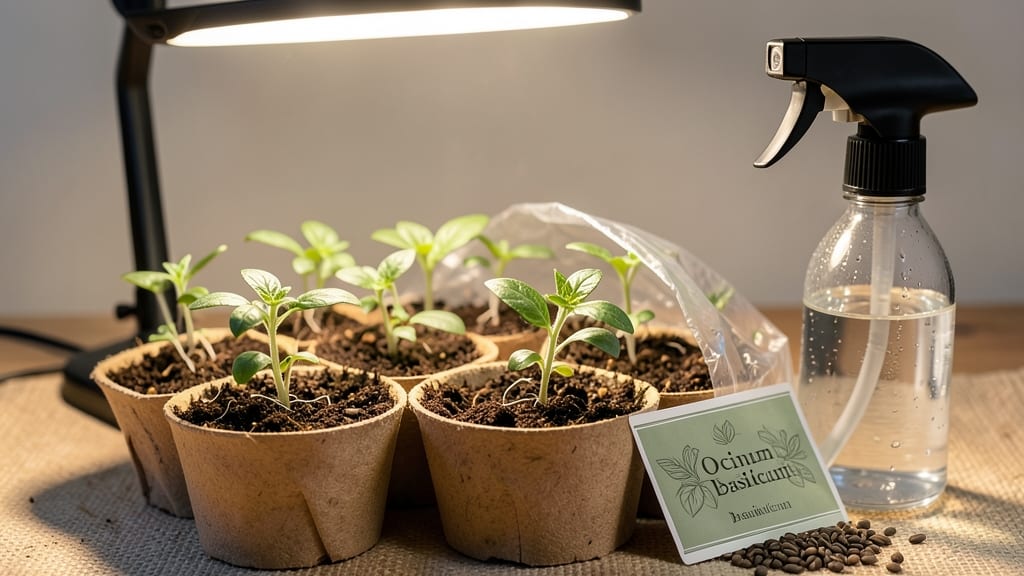
Growing plants from seeds indoors turns your windowsill into a thriving mini-garden in just 6 weeks. 🌱 I’ve started dozens of seedlings this way—herbs, flowers, and even tomatoes—using nothing but a sunny spot, a few supplies, and patience.
The key is mimicking nature’s conditions: warmth, light, and consistent moisture without drowning the tiny roots.
You’ll need seed-starting mix (not regular potting soil), small containers, seeds, and a spray bottle for gentle watering. Most seedlings need 6-8 hours of light daily, so a south-facing window works best—or a grow light if your space is dim.
Temperature matters too: keep it between 65-75°F for most plants, and avoid drafts. The first true leaves appear in about 1-2 weeks, but real growth happens after that.
By week 6, you’ll have sturdy seedlings ready to transplant outdoors or keep indoors as houseplants. The best part? You’ll save money, grow varieties not sold in stores, and watch the magic of life unfold right on your countertop.
Just avoid these mistakes: overwatering (the #1 killer), using old seeds, or skipping light—your plants will thank you with lush, healthy growth.
Works for almost any seed—try fast growers like basil, lettuce, or marigolds first. Once you master this, you can tackle bigger projects like tomatoes or peppers. Ready to turn that empty windowsill into a green oasis?
📚 In This Guide
- What you need
- Instructions
- Tips and common mistakes
- Wrapping up and next steps
What you need
- ● Seeds: Choose fast-growing varieties like basil, lettuce, or herbs (1-2 packets, ~50-100 seeds total).
- ● Containers: Small pots (3-4 inches wide) or a seed tray with drainage holes (4-6 containers).
- ● Potting Mix: Seed-starting mix (sterilized, lightweight—1 bag covers ~10 pots).
- ● Watering Can or Spray Bottle: Fine mist setting to avoid disturbing seeds.
- ○ Grow Lights (Optional but Recommended): LED grow lights (12-16 inches above seedlings, 12-16 hours/day).
- ● OR a sunny south-facing windowsill (6+ hours of light/day).
- ● Plastic Wrap or Humidity Dome: To retain moisture (1 sheet or dome per tray).
- ● Labels & Marker: To track seed types and planting dates.
- ● Heating Mat ($10-$20): Speeds up germination for cold-weather seeds.
- ● Fertilizer (Diluted): Balanced liquid fertilizer (5-10-5 ratio) for seedlings.
- ● Tweezers: For delicate seed placement.
- ● Fan: Gentle airflow to strengthen seedlings (place near pots).
Step-by-step instructions for growing plants from seeds indoors
Here’s how I’ve grown sturdy seedlings in small spaces—no fancy equipment needed.
🌱 Step 1: Prepare Containers and Seed-Starting Mix
Start with small pots or seed trays—anything with drainage holes works. I use 2-3 inch deep containers because they hold enough soil for roots while keeping seedlings compact. Fill them with a sterile seed-starting mix (not garden soil) to prevent fungal diseases. Moisten the mix until it’s damp like a wrung-out sponge—neither soggy nor bone-dry.
Press the soil down gently so it’s firm but still crumbly. This creates a stable base for seeds to root into without compacting too tightly. If using peat pots, place them in a tray to catch excess water—drainage is critical for preventing root rot. Here’s the thing: I always label my pots with the variety and date. After a week, identical sprouts start looking the same, and you’ll forget which is which.
🌱 Step 2: Sow Seeds at the Right Depth and Spacing
Plant seeds at a depth of twice their diameter—this ensures they have enough energy to reach the surface. For tiny seeds like lettuce, barely cover them with a sprinkle of soil. Larger seeds, like beans, can go a bit deeper. I tap the seed packet gently to release one seed at a time—planting too many in one hole leads to weak, crowded seedlings.
Space seeds 1-2 inches apart in the pot, depending on their mature size. If you’re sowing multiple seeds per container, thin to the strongest seedling later. After planting, mist the soil surface with a spray bottle until evenly moist. Avoid heavy watering—it’ll dislodge seeds or bury them too deep, delaying germination. The goal is to keep the soil consistently damp, not soaked.
💧 Step 3: Provide Warmth and Humidity for Germination
Cover the containers with a clear plastic dome or plastic wrap to trap warmth and moisture. Seeds germinate best at 70-75°F, so place them on a seedling heat mat if your home runs cooler. Without one, just tuck the tray near a warm spot, like on top of the fridge. You’ll see sprouts in 5-14 days, depending on the plant—fast germinators like radishes pop up in a week, while slower ones like tomatoes take two.
Check daily but resist the urge to water. The dome keeps humidity high enough that the soil stays damp without intervention. Once 50% of seeds have sprouted, remove the dome immediately. Trapped moisture around new seedlings invites damping-off disease, which collapses stems overnight. Real talk: I’ve lost entire trays this way—don’t skip this step.
☀️ Step 4: Move to Bright Light Immediately After Germination
The instant seedlings break through the soil, they need 14-16 hours of light daily. A south-facing window rarely provides enough intensity, so I use a full-spectrum LED grow light positioned 2-4 inches above the plants. Raise it as they grow to maintain that gap. Without sufficient light, seedlings stretch desperately upward (called "leggy") and never recover proper strength.
You’ll see leggy growth as thin, pale stems with leaves spaced far apart. Strong seedlings have thick stems, deep green color, and compact spacing between leaves. If your seedlings start leaning toward the light, rotate the tray a quarter turn daily so they grow straight. Here’s the moment that matters: If leaves touch the light, move it up immediately—burned tips won’t recover.
⏰ Step 5: Thin and Transplant When Ready
When seedlings have 2-3 sets of true leaves (not the first tiny cotyledons), thin to the strongest one per pot. Use scissors to snip weak seedlings at soil level—pulling risks disturbing roots. Transplant into larger pots when roots outgrow the container, usually in 4-6 weeks. Handle seedlings by their leaves, never the stems, to avoid damaging them.
Hardening off begins 2 weeks before your last frost date. Place seedlings outside in a sheltered, shaded spot for 1-2 hours the first day, then gradually increase time by 1 hour daily. Skipping this step burns leaves, breaks stems, and shocks plants severely. Once they tolerate a full day outside without wilting, they’re ready for the garden. Transplant on an overcast afternoon to reduce transplant shock and water deeply at the base.
Tips & tricks for perfect indoor seedling growth
Common mistakes can derail even the most enthusiastic gardener—here's how to avoid them.
Container Depth Matters: Those 2-3 inch deep containers aren't arbitrary—they're the sweet spot for root development without crowding. I've seen seedlings with roots circling the bottom of deeper pots, which stresses them. If you're using shallow trays, transplant to deeper containers once you see roots reaching the bottom. For larger plants like tomatoes, upgrade to 4-6 inch pots at the 2-3 true leaf stage to prevent root binding.
Light is Everything: That 14-16 hours of daily light isn't just a recommendation—it's non-negotiable for strong seedlings. I learned this the hard way when my basil plants stretched into sad, pale stalks. Position your grow light so it's just 2-4 inches above the tallest seedlings. If you notice leaves touching the light, raise it immediately—burnt tips won't recover, and the plant will focus energy on repairing damage instead of growing.
Germination Timing: The 5-14 day window for germination is actually a clue about seed viability. If you're planting fresh seeds, expect sprouts in the faster end of that range. Older seeds or those stored in less-than-ideal conditions may take the full two weeks. Pro tip: Place a few seeds on a damp paper towel in a sealed baggie—if they sprout within 5-7 days, your batch is good. If not, consider sourcing fresher seeds.
Thinning Strategy: When you reach the 2-3 true leaf stage for thinning, don't just yank out weak seedlings—use clean scissors to snip at soil level. This prevents disturbing the roots of your keepers. I've found that seedlings removed this way actually regrow if left in place, giving you a second chance at a backup plant. Just make sure to sterilize your scissors with rubbing alcohol between cuts to prevent disease transfer.
Pro Tips for Grow Plants From Seeds Indoors
- Common mistakes can derail even the most enthusiastic gardener—here's how to avoid them.
- Container Depth Matters: Those 2-3 inch deep containers aren't arbitrary—they're the sweet spot for root development without crowding.
- Light is Everything: That 14-16 hours of daily light isn't just a recommendation—it's non-negotiable for strong seedlings.
Frequently asked questions
Got questions? You’re not alone—growing plants from seeds indoors can feel like a puzzle at first! Here are answers to the most common queries to keep your indoor garden thriving.
What’s the fastest way to germinate seeds indoors?
Speed up germination with warmth and moisture! Place seeds in a seedling heat mat (or a warm spot like on top of the fridge) and keep soil damp (not soggy). Most seeds sprout in 5–14 days—just be patient with slower starters like parsley or thyme!
How long does it take to grow a plant from seed indoors?
Timing varies by plant! Leafy greens (like lettuce) may be ready in 4–6 weeks, while herbs (basil, cilantro) take 6–8 weeks. Tomatoes and peppers need 8–12 weeks before transplanting outdoors. Check seed packets for specifics!
What if my seeds won’t sprout?
Don’t panic! Try these fixes:
- Check freshness: Old seeds (over 1–2 years) may lose viability. Test with a paper towel germination trick.
- Adjust moisture: Too dry? Mist lightly. Too wet? Let soil dry slightly between waterings.
- Light love: Some seeds (like tomatoes) need light to germinate—place the tray under a grow light.
- Patience: Some seeds (e.g., okra) take 30+ days to sprout!
Can I grow anything indoors from seed?
Mostly! Stick to compact, fast-growing plants like:
- Herbs (basil, mint, parsley)
- Leafy greens (spinach, kale, arugula)
- Microgreens (broccoli, radish)
- Dwarf varieties (cherry tomatoes, peppers)
Avoid root crops (carrots, potatoes) or large plants (corn, sunflowers)—they need more space. Seed packets often label “good for containers”!
Do I need a grow light, or is natural light enough?
Natural light works for sunny windowsills (south-facing is best), but most homes lack enough intensity. Use a grow light (LED or fluorescent) for 12–16 hours/day if seedlings look leggy (tall and weak) or pale. Rotate trays weekly for even growth!
Wrapping up and next steps
Growing plants from seeds indoors is a rewarding journey that brings life, color, and freshness into your space—and you’ve got all the tools to succeed! 🌱 Whether you’re nurturing herbs, veggies, or flowers, consistency and a little patience will yield thriving seedlings in just six weeks.
Start small, celebrate every sprout, and soon you’ll be harvesting (or admiring) the fruits of your labor.
Ready to take the next step? Pick a seed packet, set up your grow station, and watch your green thumb grow! 🌟