
Size
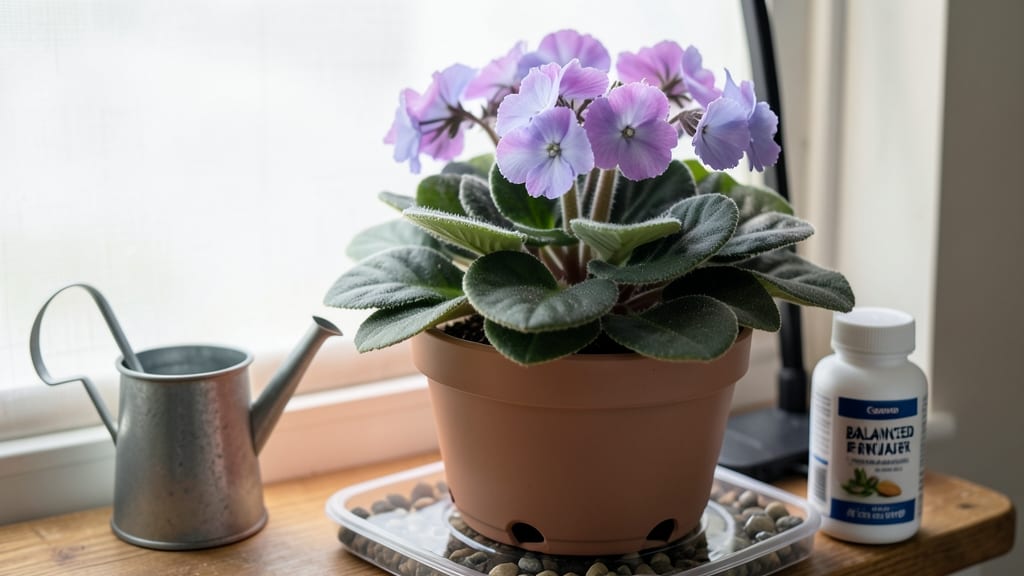
Growing flowers indoors isn't just possible—it's easier than you think, especially with the right sunlight hacks. 🌸 I've turned my living room into a year-round bloom factory by mastering light, choosing the right plants, and keeping maintenance simple.
The key is matching plants to the light you actually have, not what you wish you had.
Start with low-light champions like African violets or peace lilies, which thrive under fluorescent bulbs. For brighter spots, try orchids or geraniums. You’ll need pots with drainage, well-draining soil, and a watering routine that mimics their natural environment—no soggy roots allowed.
Most people overwater, so let the top inch dry between drinks.
With the right setup, you’ll see buds forming in just 4-6 weeks, and those blooms will last for months. The air stays fresher, your space feels alive, and you’ll never pay $5 for a single store-bought bloom again. The trick is consistency—light, water, and a little patience.
Works for any apartment, office, or sunroom. Here’s how to pick your plants, set up your space, and keep them thriving all year—no greenhouse required.
📚 In This Guide
- What you need
- Instructions
- Tips and common mistakes
- Wrapping up and next steps
What you need
- ● Containers: 3–5 pots (5–12 inches in diameter) with drainage holes. Tip: Use terracotta for breathability or ceramic for aesthetics!
- ● Potting Mix: 1–2 bags of high-quality, well-draining soil (e.g., African violet mix or cactus/succulent blend for drought-tolerant flowers).
- ● Flowers: 3–5 indoor-friendly varieties (e.g., African violets, peace lilies, or orchids). Pro Tip: Choose compact or trailing types for small spaces!
- ● Grow Lights: 1–2 full-spectrum LED grow lights (10–20W per plant) or a sunlamp for 12–16 hours/day.
- ● Watering Can: 1 with a fine rose nozzle for gentle hydration.
- ● Fertilizer: Balanced liquid fertilizer (e.g., 10-10-10) or slow-release granules.
- ● Self-watering trays (to keep roots happy).
- ● Humidity tray (pebbles + water for tropical blooms).
- ● Plant food (e.g., fish emulsion for extra nutrients).
- ● Decorative pebbles or moss for a polished look.
Step-by-Step instructions for growing flowers indoors
Here’s how to coax vibrant blooms indoors using simple sunlight strategies.
🌱 Step 1: Choose the Right Indoor Flowers
Not all flowers thrive indoors—pick varieties bred for low light or small spaces. African violets, peace lilies, and spider plants are foolproof starters. Avoid sun-loving flowers like geraniums unless you have a south-facing window with 6+ hours of direct sun.
Check the plant tag for light needs before buying. I always grab a few extra plants and test them in different spots around my home—some varieties surprise me by blooming in unexpected conditions. If you’re unsure, start with a single plant to experiment before committing to a full indoor garden.
☀️ Step 2: Optimize Light with Simple Hacks
Most homes lack enough natural light for flowers, so supplement with a grow light or reflective surfaces. Place plants near east- or west-facing windows first—these get gentle morning or afternoon sun without harsh midday rays. If your space is dim, use a full-spectrum LED grow light for 12-14 hours daily.
Rotate plants quarter-turn weekly so they grow evenly toward the light. You’ll notice leaves stretching toward the window? That’s a sign they need more light—move them closer or add a grow light immediately. A mirror propped near a window can also double the light exposure for free.
💧 Step 3: Water and Feed for Consistent Blooms
Overwatering kills indoor flowers faster than poor light. Stick your finger 1 inch into the soil—if it’s dry, water thoroughly until water runs out the drainage hole. Let excess drain away completely to prevent root rot. Most indoor flowers prefer slightly dry soil over soggy conditions.
Feed with a balanced liquid fertilizer (10-10-10) every 4-6 weeks during active growth. Cut back to monthly in winter when growth slows. I swear by a simple schedule: fertilize when I water, and I never forget. Deadhead spent blooms regularly—this encourages new flowers and keeps plants looking tidy.
🪴 Step 4: Keep Conditions Stable for Long-Lasting Blooms
Indoor flowers thrive in 65-75°F temperatures and 40-50% humidity. Avoid drafts from windows or vents, which cause stress. Group plants together to create a microclimate with higher humidity—just don’t crowd them so air circulates poorly.
Dust leaves every 2-4 weeks with a damp cloth so they can absorb light efficiently. Yellowing leaves usually mean overwatering, but brown tips often signal dry air. Adjust your care based on what you see: if leaves droop in the morning, the plant needs water; if they wilt in the afternoon, it might be too hot near a window.
⏰ Step 5: Prune and Refresh for Year-Round Growth
Trim leggy stems back by one-third to encourage bushier growth. Use clean scissors and cut just above a leaf node. This also prevents flowers from becoming top-heavy and falling over. I prune mine in early spring to kickstart new blooms after winter.
Repot every 1-2 years if roots circle the pot or soil drains poorly. Choose a container 1-2 inches larger in diameter and use fresh potting mix. The goal is to refresh the plant without shocking it—gradual changes keep it happy longer. Most indoor flowers don’t need big pots, so resist the urge to upsize too much.
Tips & tricks for growing flowers indoors
Real talk: Even the best indoor gardeners face challenges with light and conditions. These small adjustments make all the difference between struggling plants and thriving blooms.
Light Strategy: If you're using a grow light for the recommended 12-14 hours daily, position it 6-12 inches above the plants—closer for seedlings, farther for mature flowers. I test mine by holding my hand between the light and plant; if I can't fit my palm, it's too close. Too far away, and you'll end up with leggy, weak stems that flop over.
Watering Wisdom: The 1-inch soil check in Step 3 is your best friend, but timing matters too. Water in the morning so excess moisture evaporates by night—this prevents root rot and fungal issues. I've learned the hard way that evening watering can leave plants sitting in damp soil overnight, which leads to yellow leaves and weak growth.
Temperature and Humidity: Those 65-75°F temperatures sound simple, but drafts from windows or vents can create microclimates that stress plants. I keep mine away from exterior doors and use a small pebble tray with water under pots to boost humidity naturally. A simple hygrometer (under $10) helps track humidity levels—aim for 40-50% and adjust by grouping plants together or using a humidifier if needed.
Pruning Precision: When trimming those leggy stems in Step 5, always cut just above a leaf node—this is where new growth will sprout. I use clean scissors and wipe them with rubbing alcohol between cuts to prevent spreading disease. For flowers that don't rebloom easily (like snapdragons), cut stems at a 45-degree angle to maximize water absorption through the stem.
Pro Tips for Grow Flowers Indoors
- Real talk: Even the best indoor gardeners face challenges with light and conditions.
- Light Strategy: If you're using a grow light for the recommended 12-14 hours daily, position it 6-12 inches above the plants—closer for seedlings, farther for mature flowers.
- Watering Wisdom: The 1-inch soil check in Step 3 is your best friend, but timing matters too.
Frequently asked questions
What’s the best indoor lighting for flowers?
Most flowers need 6–8 hours of bright, indirect light daily. South-facing windows are ideal, but if that’s not an option, use grow lights (LED or fluorescent) 12–16 inches above plants. Low-light varieties like peace lilies or African violets can thrive with less, but blooms may be sparse.
How long does it take for indoor flowers to bloom?
Timing varies! Fast growers like bromeliads or impatiens may bloom in 8–12 weeks, while orchids or roses can take 3–6 months (or longer). Patience is key—consistent light, water, and care speed up the process. Pro tip: Check seed packets or plant tags for species-specific timelines!
Why are my indoor flowers wilting or dropping buds?
Wilting or bud drop usually signals overwatering, underwatering, or stress. Let soil dry 1–2 inches deep between waterings, and avoid soggy pots (use well-draining soil!). Sudden changes—like moving plants or drafts—can also trigger bud drop. Keep conditions stable and monitor humidity (40–60% is ideal).
Can I grow flowers indoors without a sunny window?
Grow lights
(like full-spectrum LEDs) mimic sunlight perfectly. Place them 6–12 inches above plants and run them for 12–16 hours/day. For budget-friendly options, rotate plants near windows or use reflective surfaces (like mirrors) to maximize natural light. Low-light tolerant flowers (e.g., snake plants, ZZ plants) are great starters too!
Which flowers are easiest for beginners?
Start with hardy, forgiving varieties like:
- African violets – Thrives in indirect light, blooms often.
- Peace lilies – Tolerates low light, purifies air.
- Bromeliads – Needs minimal care, colorful foliage.
- Geraniums – Bright blooms, loves sunlight.
- Succulents (e.g., jade plants) – Drought-resistant, low-maintenance.
Wrapping up and next steps
Growing flowers indoors isn’t just possible—it’s a rewarding way to bring nature’s beauty into your space year-round! With the right sunlight hacks, containers, and plant choices, you can enjoy vibrant blooms even without a sunny window.
Start small, experiment with what works, and don’t be afraid to troubleshoot—every gardener learns as they go.
Now that you’re armed with tips, pick one plant and give it a try! Share your progress or ask questions in the comments—we’d love to see your indoor garden flourish. 🌱✨