
Propagation
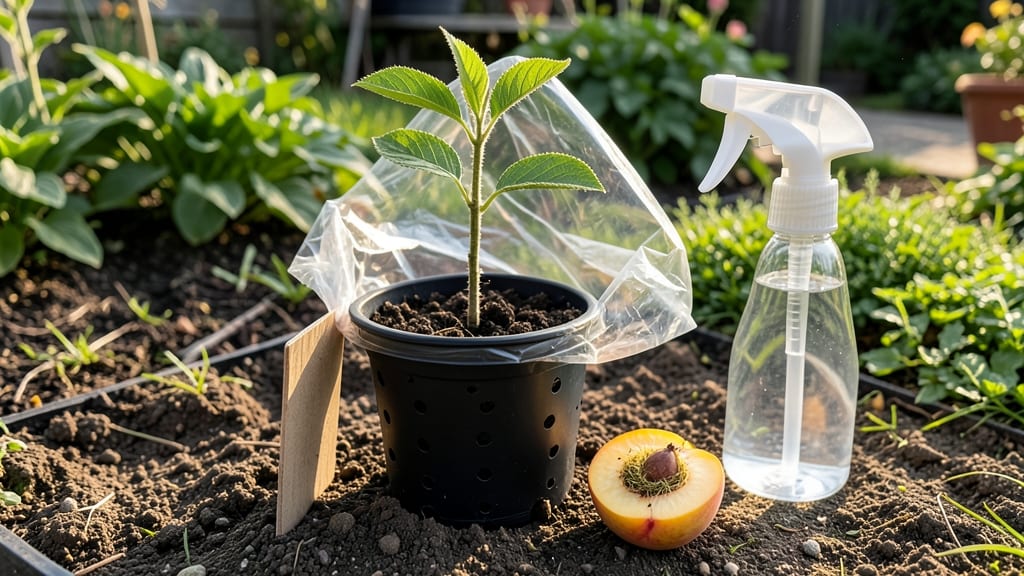
Growing a peach tree from seed indoors starts with a single pit and a promise that won't pay off for years—but the journey makes every season worthwhile. 🌱 I've nurtured seedlings that took five years to bear fruit, and the first ripe peach I grew myself still feels like magic.
The real reward isn't the fruit; it's watching that stubborn little seedling become a towering tree with your hands guiding every step.
You'll need just three things to begin: a fresh peach pit, a small container with drainage, and a sunny windowsill or grow light. The pit must be fresh—older seeds lose viability fast—and the soil should stay moist but never soggy.
Most people quit here, assuming the process is too slow, but the first true leaves appear in weeks, not months. That's when the real work begins, and the patience starts paying off.
By year two, your seedling will need repotting and more light, but the roots will be strong enough to handle the transition. You'll see the first signs of peach tree potential in the shape of the leaves and the way the branches grow.
The tree won't fruit for years, but the anticipation builds with every pruning and every time you move it outdoors for the summer. That's when you realize this isn't just gardening—it's growing something with your future in mind.
This method works best for those with indoor space and the time to nurture a long-term project. The key is consistency—watering, light, and patience—because the best peach trees start with a single seed and a gardener willing to wait.
The fruit may take years, but the lessons and the joy come sooner than you think.
📚 In This Guide
- What you need
- Instructions
- Tips and common mistakes
- Wrapping up and next steps
What you need
- ● Peach pit: 1 fresh, high-quality pit from a ripe, organic peach (avoid store-bought if treated with chemicals).
- ● Small pot: 1–2 small pots (3–4 inches wide) with drainage holes. Plastic or biodegradable pots work best for transplanting later.
- ● Potting mix: 1 bag of well-draining seed-starting mix or a blend of 50% peat moss and 50% perlite or sand.
- ● Spray bottle: 1 for gentle watering (avoid over-saturating the soil).
- ● Plastic wrap or humidity dome: 1 sheet to cover the pot and retain moisture.
- ● Grow lights or sunny windowsill: Access to 6–8 hours of indirect light daily (south-facing window or LED grow lights).
- ○ Heat mat (optional but helpful): 1 small mat (70–80°F) to speed up germination.
- ● Fertilizer: A diluted balanced liquid fertilizer (5-5-5 or 10-10-10) for later growth stages.
- ● Pruning shears: Small, sharp scissors for trimming as the seedling grows.
- ● Larger pot (6–8 inches): For transplanting once roots fill the starter pot.
- ● Soil moisture meter: To check moisture levels without overwatering.
- ● Notebook: To track growth milestones and watering schedules!
Step-by-step instructions for growing a peach tree from seed indoors
Here's how to start your peach tree journey—it's slower than buying a grafted tree, but the reward of homegrown fruit makes every step worthwhile.
🌱 Step 1: Select and Prepare the Seed
Choose a fresh, plump peach from the grocery store or your own harvest—organic peaches work best since conventional ones may have been treated with growth inhibitors. Cut the fruit in half, remove the large pit, and rinse it thoroughly to clean off any fruit residue. Place the pit on a paper towel in a dry, cool spot for 3-5 days to dry out completely.
This drying step is critical—it prevents rot during the stratification process. Once the pit feels dry to the touch and the outer shell looks slightly shriveled, you're ready for the next phase. I like to wrap the dried pit in a fresh paper towel and store it in a sealed plastic bag until stratification begins.
💧 Step 2: Stratify the Seed for Germination
Peach seeds require 90-120 days of cold stratification to break dormancy. Place the dried pit in a sealed plastic bag with a damp (not soaking) paper towel. Store the bag in your refrigerator's crisper drawer, where temperatures stay consistently between 35-45°F. Check the seed monthly—if the paper towel dries out, mist it lightly and reseal the bag.
This cold treatment mimics winter conditions, tricking the seed into thinking it's time to grow. After 3-4 months, you'll notice the seed starting to sprout—this is your signal that stratification worked. Don't rush this step; peach seeds won't germinate without proper cold treatment.
☀️ Step 3: Plant the Germinated Seed
Once you see the first signs of sprouting (usually a tiny root breaking through the seed coat), it's time to plant. Fill a 6-inch deep pot with well-draining potting mix—peach trees hate soggy roots. Make a small hole about 1 inch deep and place the seed with the sprout facing downward. Cover it lightly with soil, leaving the top half of the seed exposed.
Water gently until the soil feels evenly moist but not waterlogged. Place the pot in a warm spot (around 70-75°F) with bright, indirect light. You'll see the first true leaves emerge within 2-4 weeks. This is where most beginners rush—patience here ensures a strong root system.
🌿 Step 4: Care for the Seedling
Keep the soil consistently moist but never soggy—peach trees are drought-tolerant once established, but seedlings need steady hydration. Move the seedling to a sunny windowsill or under a grow light for 12-14 hours daily once the first true leaves appear. Rotate the pot weekly so the seedling grows straight instead of leaning toward the light.
Fertilize lightly every 4-6 weeks with a balanced, water-soluble fertilizer (half-strength) to encourage healthy growth. By the time your seedling reaches 12-18 inches tall, it's ready for its first repotting into a larger container. This process takes 1-2 years—faster than you might expect, but still slower than growing from a grafted tree.
⏰ Step 5: Prepare for Outdoors (When Ready)
After 2 growing seasons indoors, your peach tree will be sturdy enough for outdoor planting. Harden it off by placing it outside in a sheltered spot for 2-3 hours daily, gradually increasing exposure over 2 weeks. Choose a sunny, well-drained spot in your yard with 6+ hours of sunlight and plant in early spring after the last frost.
Peach trees grown from seed may take 5-7 years to bear fruit (compared to 2-3 years for grafted trees), but the unique flavor and the satisfaction of growing from seed make it worth the wait. Mulch around the base to retain moisture and protect roots from temperature swings.
Tips & tricks for growing a peach tree indoors
Here's what I learned from growing three peach trees from seed—these tricks will help you avoid the mistakes I made along the way.
Seed Selection Tip: Don't just grab any peach pit! Choose fruits from trees that thrive in your climate zone for the best chance of success. I've found that locally grown peaches often produce seedlings that adapt better to your area's conditions. Also, avoid peaches that feel mushy or have cracks—they're more likely to have spoiled pits inside.
Stratification Secret: The 90-120 days of cold stratification is non-negotiable, but here's the trick: Place your sealed bag of seed and damp paper towel on a shelf in your fridge where you'll actually remember to check it monthly. I used to forget and find dried-out paper towels after months—now I keep it right next to my yogurt where I'll see it weekly. The key is maintaining that consistent 35-45°F temperature without letting the paper towel dry completely.
Planting Precision: When planting your germinated seed in Step 3, make that 1-inch deep hole with your finger rather than a tool—it gives you better control. And here's what nobody tells you: The seed's sprout should face downward, but if you're unsure which end is up, plant it sideways. The seed will still grow, though it might take a few extra weeks to orient itself properly. Once planted, give the soil a gentle squeeze—it should hold its shape but not feel compacted.
Lighting Strategy: That 12-14 hours of daily light is crucial, but don't assume your windowsill provides enough. If your seedling starts stretching toward the light (a sign of legginess), it's not getting enough intensity. Consider supplementing with a simple LED grow light placed 6-12 inches above the plant. I used a $20 clip-on bulb for my first tree, and it made all the difference in preventing weak, spindly growth.
Pro Tips for Grow A Peach Tree From A Seed Indoors
- Here's what I learned from growing three peach trees from seed—these tricks will help you avoid the mistakes I made along the way.
- Seed Selection Tip: Don't just grab any peach pit!
- I used to forget and find dried-out paper towels after months—now I keep it right next to my yogurt where I'll see it weekly.
Frequently asked questions
Got questions about growing a peach tree from seed indoors? You’re not alone! Here are some of the most common queries—and their answers—to help you navigate this rewarding (but patient) process.
How long does it take for a peach seed to sprout indoors?
A peach seed typically takes 4 to 8 weeks to sprout indoors, depending on warmth (70–80°F) and moisture. Cold stratification (chilling the seed) can speed this up. Be patient—some seeds may take longer, especially if they’re fresh. Keep the soil damp and monitor for tiny green shoots!
Do I really need to cold-stratify the seed? Can’t I just plant it directly?
Cold stratification mimics winter and breaks seed dormancy, improving germination rates. While some seeds might sprout without it, stratification (4–8 weeks in the fridge) increases success. Skip this step at your own risk—your seed could take months (or never!) to sprout. Worth the wait!
Will my indoor peach tree actually bear fruit? Or is it just for decoration?
Peach trees grown from seed are notoriously unreliable for fruit—most won’t produce edible peaches (or any fruit at all) for 10+ years (if ever). They’re often grown for ornamental value, hardiness, or grafting experiments. For fruit, consider grafting a known variety onto your seedling later!
What if my seedling turns yellow or looks weak? Is it dying?
Yellowing leaves or weak growth often signal overwatering, poor drainage, or pests. Check the soil—it should stay moist but not soggy. Move the seedling to bright, indirect light and inspect for aphids or fungus. Adjust care, and most seedlings bounce back with a little TLC!
Can I grow a peach tree from seed indoors year-round, or does it need outdoor time?
Seedlings thrive indoors year-round, but they’ll need outdoor acclimation (hardening off) before permanent outdoor planting. Once large enough (1–2 feet tall), transition them to full sun and cooler temps gradually. Peach trees are not frost-hardy as seedlings, so wait until spring to plant outside.
Wrapping up and next steps
Growing a peach tree from seed indoors is a rewarding journey that blends patience with the joy of nurturing life.
While it may take years before you enjoy homegrown fruit, every step—from soaking the seed to transplanting your sapling—teaches you the magic of nature. Celebrate your progress! Once your tree is thriving outdoors, consider grafting for faster fruit production or simply admire its beauty as a living heirloom.
Ready for the next adventure? Explore our guide on transplanting seedlings or dive into seasonal care tips to keep your peach tree flourishing. 🌱✨