
How To
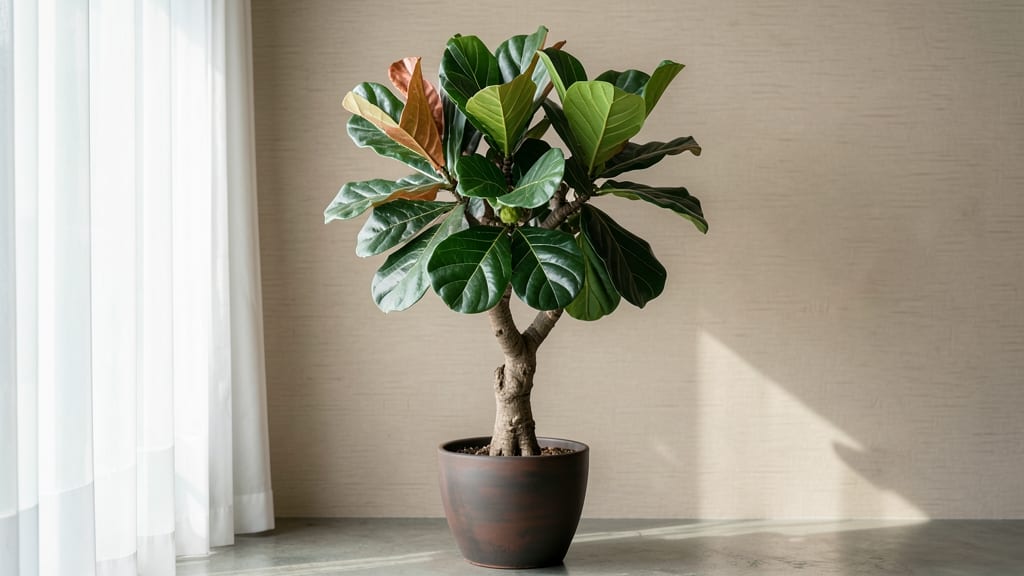
Fiddle leaf figs indoors can grow anywhere from 4 to 10 feet tall, depending on care and container size—so your plant’s future height is far more flexible than you might think.
If you’ve ever wondered whether your fiddle leaf fig will stretch toward the ceiling or stay compact on your shelf, you’re not alone—this tropical favorite’s growth habits can be surprisingly unpredictable indoors.
The key to controlling its height lies in pot size, light exposure, and pruning. A smaller pot keeps roots confined, slowing vertical growth, while bright, indirect light fuels rapid expansion. Even a single pruning cut can redirect energy into bushier foliage instead of a towering stem.
Below, I’ll break down how to estimate your plant’s potential height based on its current pot, when to prune for compact growth, and the one lighting mistake that turns a manageable shrub into a 10-foot monster.


Fiddle leaf fig height by pot size: how container limits affect growth
The fiddle leaf fig's height indoors is directly tied to its pot size. When cramped, roots circle tightly, signaling the plant to stretch upward for more light—a phenomenon called root-bound stress.
A 6-inch pot might yield a 4-foot plant, while a 12-inch pot could push it toward 8 feet over 3 years. Understanding this relationship helps you control growth before it becomes unmanageable.
Your fiddle leaf fig's container isn't just a vessel—it's a growth regulator. Smaller pots restrict root expansion, forcing the plant to focus energy on vertical growth rather than bushy foliage.
This is why many indoor growers use under-potting techniques to keep their plants compact. However, neglecting to repot can lead to stunted growth or even root rot if drainage suffers.
Here’s how pot dimensions correlate with expected height over 3 years, based on real-world observations from indoor gardeners:
| Pot Diameter | Pot Depth | Max Height (3 Years) | Root Condition | Ideal For |
|---|---|---|---|---|
| 6 inches | 6 inches | 4–5 ft | Root-bound | Small spaces, shelves |
| 8 inches | 8 inches | 5–6 ft | Moderately bound | Standard countertops |
| 10 inches | 10 inches | 6–7 ft | Healthy roots | Floor plants, larger rooms |
| 12 inches | 12 inches | 7–10 ft | Unrestricted | Ceiling-height spaces |
A 6-inch pot is ideal if you want a compact fiddle leaf fig that fits on a desk or shelf. The roots will quickly fill the space, triggering upward growth rather than spreading outward.
This works well for beginners or those with limited space, but monitor for signs of root circling, like roots growing in tight loops or poking through drainage holes.
For a balanced growth habit, opt for an 8-inch pot. This size allows roots to spread comfortably while still encouraging a manageable height of 5–6 feet over 3 years.
It’s the sweet spot for most indoor gardeners, offering stability without requiring frequent repotting. Just ensure the pot has adequate drainage to prevent waterlogged soil, which can stunt growth.
If your goal is to grow a tall fiddle leaf fig—think 8 feet or taller—a 12-inch pot is your best bet. The extra space lets roots expand freely, reducing the plant’s need to stretch upward for light.
However, this size demands more care: larger pots dry out slower, so you’ll need to adjust your watering schedule to avoid over-saturation. Place this pot on the floor near a bright window to support its ambitious growth.
Root-bound conditions aren’t always bad—they can actually encourage bushier growth if managed correctly. When roots fill a pot, the plant focuses energy on producing new leaves rather than just height. To take advantage of this, gently tease out circling roots during repotting and trim any damaged sections.
This technique, called root pruning, helps redirect growth energy toward a fuller shape.
One common mistake is assuming a bigger pot always means taller growth. In reality, oversized containers can lead to excessive moisture retention, which slows root development and stunts overall growth.
Always choose a pot that’s only 1–2 inches larger in diameter than the current root ball. This gradual increase mimics natural conditions and prevents shock to your fiddle leaf fig.
To maintain your fiddle leaf fig’s height, repot every 2–3 years or when roots emerge from drainage holes. Use a pot that’s just slightly larger than the current one, and refresh the well-draining soil mix to prevent nutrient depletion.
This practice keeps your plant healthy and gives you precise control over its vertical expansion.
If you notice your fiddle leaf fig growing too tall too quickly, it’s likely a response to low light conditions or a pot that’s too small. Move it to a brighter spot and consider pruning to encourage bushier growth.
With the right pot size and care, you can shape your fiddle leaf fig into the perfect height for your space—whether that’s a shelf-sized shrub or a statement ceiling plant.
Pruning techniques to control fiddle leaf fig height indoors
If your fiddle leaf fig is reaching for the ceiling faster than you'd like, don't panic—pruning is your secret weapon for controlling its height. This tropical beauty thrives when guided, and strategic cuts can transform leggy stems into a lush, bushier plant.
The key lies in understanding when and how to prune while avoiding common mistakes that stress the plant.
Pruning isn't just about reducing height; it's about encouraging your fiddle leaf fig to grow outward rather than upward. When done correctly, you'll promote denser foliage and a fuller appearance.
The best time to prune is during the spring growing season, just as new leaves begin to emerge. This timing gives your plant energy to recover and produce fresh growth.
-
Step 1: Gather Tools
Sterilize a sharp pair of pruning shears with rubbing alcohol to prevent disease. Wear gloves to protect your hands from sap. -
Step 2: Identify Pruning Points
Look for nodes (small bumps) on stems where leaves grow. Cut just above a node at a 45-degree angle to encourage branching. -
Step 3: Remove Leggy Stems
Trim stems that are too long or bare at the bottom. Aim to reduce height by no more than 1/3 at a time. -
Step 4: Propagate Cuttings
Place cuttings in water with 1-2 nodes submerged. Change water every 3-5 days until roots develop (4-6 weeks). -
Step 5: Encourage Bushiness
Pinch back new growth tips to stimulate side shoots. This creates a fuller shape and prevents vertical stretching.
One of the biggest mistakes gardeners make is pruning too late in the year, especially during fall or winter, when your fiddle leaf fig is naturally slowing growth. Always avoid cutting into woody stems—focus on softer, green growth for best results.
If you notice yellowing leaves after pruning, it's normal as the plant adjusts, but provide bright indirect light to speed recovery.
For a more dramatic height reduction, you can perform a hard prune in early spring, cutting back stems to within 6 inches of the base. This aggressive approach requires patience, as your plant will focus on regrowing foliage rather than height.
Pair this with proper aftercare, including consistent watering and humidity levels, to support new growth.
Remember, pruning isn't just about aesthetics—it's also about plant health. Regular pruning removes dead or diseased leaves, improving air circulation and reducing pest risks. With each cut, you're not just shaping your fiddle leaf fig; you're encouraging it to thrive in its indoor environment.
Start small, observe your plant's response, and adjust your approach as needed.
Your fiddle leaf fig will thank you with vibrant new leaves and a more manageable height—just in time for your next home decor project! 🌿✂️🪴