
Plants
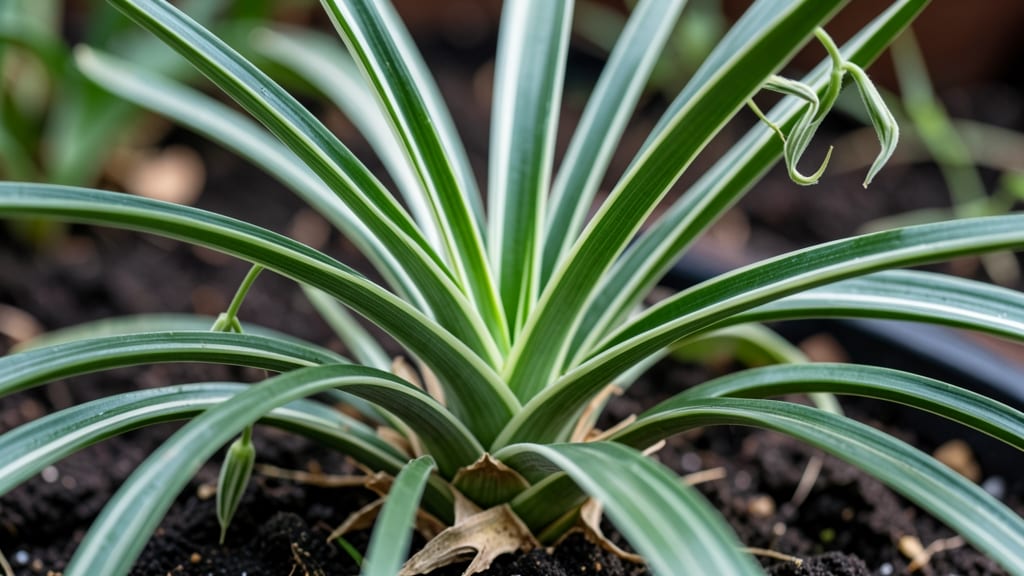
Bright, indirect light for 3-4 hours daily is all your spider plant 🕷️ needs indoors to stay lush and happy — and yet, most people either drown it in harsh sun or starve it in dim corners.
If your spider plant’s leaves are turning yellow, stretching toward the window, or developing crispy brown tips, you’re not alone. The secret isn’t complicated: it’s about finding that sweet spot between too little and too much light.
Too little, and your plant gets leggy and weak. Too much, and it burns.
Here’s the good news: spider plants are forgiving. With the right placement near an east-facing window or a simple grow light, you can keep yours thriving year-round. I’ll show you exactly how to spot the signs of light stress and tweak your setup for perfect growth.
Ready to turn your spider plant from a struggling survivor into a vibrant centerpiece? Let’s break down the ideal light conditions, how to position it for success, and what to do when your space falls short.


Optimal indoor light requirements for spider plants: brightness levels and ideal placement
Spider plants (Chlorophytum comosum) are among the most forgiving houseplants, but their light needs are often misunderstood. While they adapt to various conditions, bright indirect light remains their sweet spot for vibrant foliage and healthy growth.
Too little light leads to weak, leggy stems, while too much causes leaf burn—so finding that perfect balance is key.
Most spider plants thrive with 4-6 hours of bright, indirect sunlight daily, making them ideal for homes with moderate natural light. They can tolerate lower light conditions, but growth will slow, and variegated varieties may lose their striking patterns.
Understanding your home’s light spectrum helps you position your plant for success.
summary-table
For bright indirect light, prioritize east-facing windows—they offer gentle morning sun without the harsh afternoon rays. A north-facing window also works well, though light may be softer.
If your home has south-facing windows, place your spider plant 3-4 feet away to diffuse the intensity with a sheer curtain.
Seasonal light changes can trick spider plants, especially in winter when days shorten. If you notice stretched stems or dull foliage, rotate your plant quarter-turns weekly to ensure even exposure.
This mimics natural light shifts and prevents lopsided growth. A simple trick: place your plant near a reflective surface, like a white wall or mirror, to amplify available light.
Variegated spider plants (with white/yellow stripes) need slightly more light than solid-green varieties to maintain their striking patterns. If your plant’s stripes fade, it’s a clear sign to move it closer to a brighter spot.
Conversely, solid-green types are more adaptable and can handle medium to low light better, though growth may slow.
If your home lacks natural light, consider a LED grow light for 12-14 hours daily. Place it 6-12 inches above the plant and use a timer for consistency.
Look for lights with a cool white spectrum (5000K-6500K) to mimic natural daylight. This setup works wonders for office plants or windowless rooms.
Pro tip: Observe your spider plant’s leaves for clues. Healthy foliage should be upright with vibrant green (or variegated) hues. If leaves start curling or developing brown edges, adjust the light immediately.
Remember, spider plants are resilient—they’ll recover with the right conditions, but prevention is easier than fixing light-related stress.
For seasonal adjustments, watch how sunlight shifts through your windows. In summer, move plants slightly farther from south-facing windows to avoid overheating. In winter, rotate them to capture every bit of weak winter light. A little flexibility goes a long way in keeping your spider plant thriving year-round.
Don’t overlook the power of natural light patterns. Spider plants grow toward light sources, so if you notice all leaves facing one direction, it’s time to rotate the pot. This ensures balanced growth and prevents your plant from becoming top-heavy.
With the right light strategy, your spider plant will reward you with lush, arching foliage and those adorable baby plantlets dangling from the ends.
🌱
Signs your spider plant isn’t getting enough (or too much) light: leaf color, growth patterns, and fixes
Your spider plant might be silently begging for help—through its leaves. Yellowing edges or brown tips often signal light stress, but the clues don’t stop there. Even elongated stems or pale foliage can reveal whether your plant is craving more brightness or shielding from harsh rays.
Let’s decode these visual cues so you can rescue your leafy friend before it’s too late.
First, check the leaf color. Bright green leaves with white stripes (variegated types) thrive in medium to bright indirect light. But if those stripes fade or turn solid green, your plant is stretching toward the light—etiolation in action.
On the flip side, crispy brown edges or sunburned patches mean it’s getting too much direct sun, especially from south-facing windows.
⚠️ WARNING: Light Overload or Starvation? Your spider plant needs 4-6 hours of bright indirect light daily—not direct sun. Too little light leads to leggy growth and weak stems, while too much causes leaf scorch.
Here’s how to fix it: - Low light? Move closer to an east or north window or use a grow light 6-12 inches away for 12-14 hours/day. - Too much light? Shift to a west-facing spot with sheer curtains or rotate the pot weekly for even exposure. - Seasonal shift? In winter, supplement with a LED grow bulb to mimic spring/summer light levels.
Don’t ignore growth patterns. If your spider plant’s leaves are tiny or spread far apart, it’s starving for light. Conversely, short, bushy growth with dark green leaves means it’s happy in its spot.
Pro tip: Rotate your plant every 2-4 weeks so all sides get equal light—this prevents lopsided growth and ensures those iconic spiderettes (baby plants) form properly.
For brown tips, blame low humidity and light stress. Increase humidity with a pebble tray or misting (but avoid soggy soil), and adjust the light. If the tips are crispy and dry, it’s likely direct sun damage—move it back 2-3 feet from the window.
If they’re yellow and mushy, overwatering in low light is the culprit. Let the top inch of soil dry out between waterings in dimmer spots.
Still unsure? Try this DIY light test: Place your spider plant in a spot for 2 weeks, then observe. If leaves perk up, you’ve found the sweet spot. If not, tweak the location or add a reflective surface (like a mirror) to bounce light onto the plant.
Remember, gradual changes are key—don’t move your plant from a dark corner to a sunny windowsill overnight. Acclimate it over 7-10 days to avoid shock.
With these fixes, your spider plant will bounce back in 2-4 weeks. Keep an eye on those leaves—they’re your plant’s way of communicating!
For extra insurance, pair your spider plant with a humidity-loving friend like a peace lily or pothos to create a microclimate of balanced light and moisture. 🌱