
Container Gardens
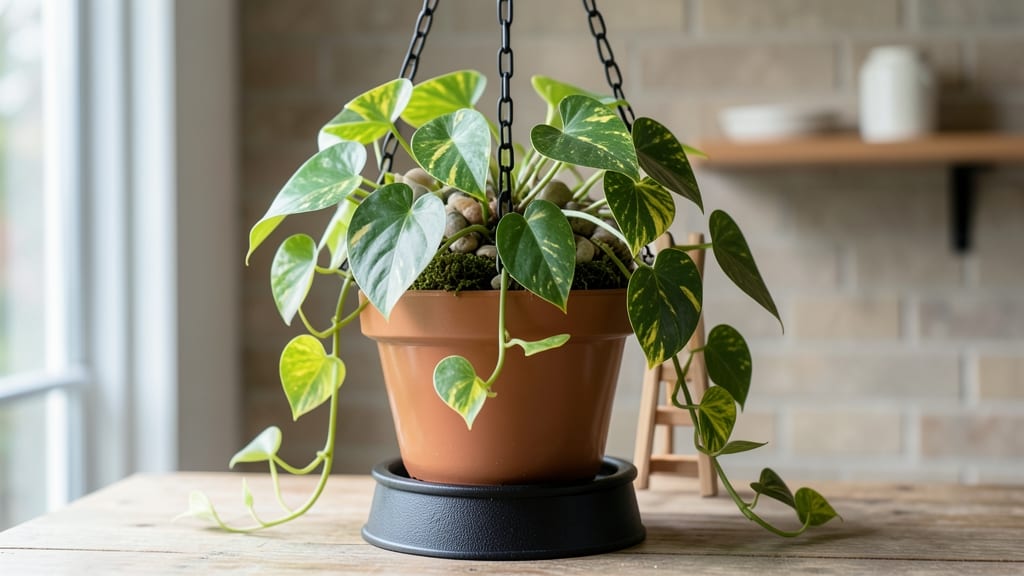
Indoor hanging planter stands are perfect for maximizing vertical space while safely supporting plants weighing 10–25 pounds, depending on the stand's material and construction. Prioritize sturdy materials like metal or reinforced wood, use proper wall anchors for security, and look for adjustable or modular designs to accommodate different planter sizes.
These vertical gardening solutions transform tight spaces into lush green areas by utilizing often-wasted wall or ceiling real estate. 💫 The weight limit varies dramatically—thin plastic stands might only handle 5 pounds, while heavy-duty wrought iron models can support up to 30 pounds.
I always recommend checking your stand's maximum capacity before adding large pots, especially if you're growing heavy plants like ferns or monstera. The right stand doesn't just save space; it creates a functional display that elevates your indoor garden's aesthetic while keeping your plants secure.
For small apartments, I've found that wall-mounted stands with adjustable brackets offer the most flexibility—they can be positioned at different heights to create visual interest while accommodating various planter sizes. Freestanding options work well in corners or against walls, while tiered stands maximize vertical space in a single unit.
The key is matching your stand's design to both your space's layout and the plants you want to grow.
💡 In This Article
- How to Choose the Right Hanging Planter Stand for Your Indoor Space
- Top 5 Indoor Hanging Planter Stand Styles for Small Apartments
How to choose the right hanging planter stand for your indoor space
Material choice directly impacts both safety and functionality. Lightweight metal stands (like aluminum or steel) offer the best strength-to-weight ratio, typically supporting 15-25 pounds while remaining easy to install. Wrought iron provides that classic aesthetic but can be heavier—some vintage designs only handle 10 pounds per hook.
Wooden stands add warmth but require reinforcement; untreated wood may warp over time unless sealed properly. The key is matching material to your plants: succulents (2-5 pounds) need minimal support, while tropical plants (15+ pounds) demand heavy-duty construction.
Weight capacity isn't just about the pot—it's about the plant's growth potential. A 10-inch fern pot might weigh 8 pounds now but double in 6 months as roots expand. Always calculate 2x the current weight for long-term safety.
For example, a 5-pound hanging basket should use a stand rated for at least 10 pounds. Wall anchors become critical here: drywall requires toggle bolts for loads over 12 pounds, while studs can handle 25 pounds with proper hardware.
Ceiling/wall compatibility transforms a good stand into a great one. Most indoor stands use L-brackets or ceiling hooks—but not all ceilings are created equal. Drop ceilings need specialized mounts, while plaster walls may require masonry screws. I recommend testing anchor placement with a stud finder before installation.
For renters, freestanding stands with wide bases (like 12-inch diameter) offer stability without wall damage, though they occupy floor space. The trade-off? More flexibility in plant arrangement.
Adjustable height systems solve the "one-size-fits-all" problem. Many stands feature 3-5 tier levels with 6-inch height increments, letting you mix 6-inch succulents with 12-inch ferns. Modular designs let you add/remove levels as plants grow.
Pro tip: Position taller plants at the bottom and smaller ones higher up to create visual balance. This isn't just aesthetics—it's about airflow. Lower tiers get 20% more humidity from the floor, ideal for moisture-loving plants like pothos.
Don't overlook the hidden details that make stands functional. Look for non-slip rubber feet on freestanding models to prevent wobbling, and drip trays under hanging pots to protect floors. Some premium stands include built-in watering channels that collect excess moisture.
For DIY enthusiasts, repurposing pipe fittings or wooden crates can create custom stands—just ensure all joints are reinforced with metal brackets. The right stand turns your vertical space into a thriving garden ecosystem.