
Container Gardens
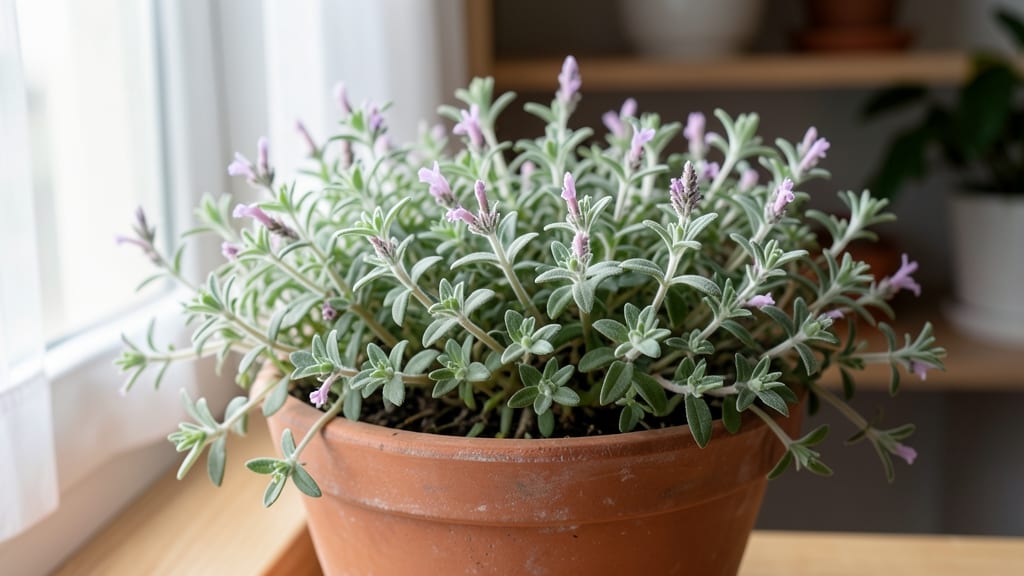
Growing thyme indoors means fresh, fragrant herbs on your windowsill year-round—no garden required. 🌿 The trick isn’t just sunlight; it’s matching thyme’s Mediterranean roots to your home’s conditions, and I’ve cracked the code after years of trial and error.
My kitchen thyme now thrives where others fail, producing more than enough for cooking and gifts.
You’ll need a 4-6 inch pot with drainage holes, well-draining soil (cactus mix works perfectly), and a sunny spot—even a south-facing window gets the job done. Thyme hates soggy roots, so water only when the top inch feels dry, and never let it sit in water.
Most people overwater, which leads to root rot and leggy growth. A simple spray bottle keeps humidity up without drowning the plant.
By month three, you’ll have a bushy, aromatic plant ready for harvesting. Pinch back leggy stems to encourage bushiness, and harvest leaves anytime by snipping just above a leaf node.
The smell alone—earthy, lemony, and fresh—makes the effort worth it. Plus, thyme repels pests naturally, so your other houseplants stay healthier too.
This method works for any variety—French, lemon, or common thyme—and adapts to low-light spots with a grow light. Even my black thumb can’t kill these. Let’s get your kitchen smelling like a Provençal market!
📚 In This Guide
- What you need
- Instructions
- Tips and common mistakes
- Wrapping up and next steps
What you need
- ● Thyme plant: Start with a live thyme plant (common, lemon, or French varieties work best) from a nursery or garden center. Look for healthy stems with vibrant green leaves.
- ● Container: A 6–8 inch diameter pot with drainage holes (terracotta or ceramic are ideal). For multiple plants, use a 10–12 inch wide container with 3–4 inches of spacing between each.
- ● Well-draining potting mix: A blend of cactus/succulent mix (50%) + perlite or coarse sand (30%) + compost (20%). Avoid heavy garden soil—thyme hates soggy roots!
- ● Drainage tray or saucer: To catch excess water and prevent root rot.
- ● Pruning shears: Small, sharp scissors for trimming dead or overgrown stems.
- ● Spray bottle: For gentle watering (especially in dry indoor air).
- ○ Grow lights (optional but helpful): A full-spectrum LED grow light (12–16 hours/day) if natural light is limited. Look for one with 5000–6500K color temperature.
- ○ Humidity tray (optional): A shallow tray filled with pebbles and water to boost moisture levels in dry climates.
- ○ Organic fertilizer (optional): A balanced liquid fertilizer (10-10-10 or 5-5-5) diluted to half-strength, applied every 4–6 weeks.
- ● A sunny windowsill (south- or west-facing) or a spot near a grow light.
- ● Consistent room temperature (65–75°F)—thyme is sensitive to cold drafts.
- ● Patience! Thyme grows slowly but rewards you with year-round harvests.
Step-by-step instructions for growing thyme indoors
Here's how to cultivate fragrant, healthy thyme year-round with minimal fuss.
🪴 Step 1: Choose the Right Container and Soil
Start with a 6-inch diameter pot for each plant—thyme needs room to spread but hates soggy roots. I use terracotta because it breathes, but any container with drainage holes works. Fill it with a mix of 1 part potting soil and 1 part perlite to keep the soil loose and well-draining. Thyme roots rot quickly in dense soil, so don't skip this step.
Tap the pot gently to settle the mix, then moisten it with warm water until it feels like a damp sponge. You'll know it's right when water runs through the bottom but the surface stays slightly damp—not wet. This prevents fungal issues from the start.
🌱 Step 2: Plant Your Thyme Starter
Grab a healthy thyme plant from a nursery or a small pot from your kitchen garden. Gently remove it from its current container and tease the roots apart if they're crowded. Place it in the center of your new pot, then fill around the sides with the prepared soil mix. Press lightly to eliminate air pockets but don't compact it too tightly.
Thyme grows best when its crown sits just below the soil surface—never bury the stem too deep. Water it immediately after planting to help the soil settle around the roots. You'll see new growth within 2-3 weeks if everything's right.
☀️ Step 3: Position for Maximum Light
Thyme thrives on 6-8 hours of direct sunlight daily, but here's the trick: if your space only gets morning sun, rotate the pot every few days so all sides get equal light. South-facing windows are ideal, but if you're stuck with north light, supplement with a grow light for 12-14 hours daily.
Watch for leggy growth—thin, stretched stems with sparse leaves—that means your plant's reaching for light. If this happens, move it closer to the window or light source. Strong thyme has thick stems, small dark green leaves, and a noticeable aroma when brushed.
💧 Step 4: Water and Maintain Proper Humidity
Let the top 1 inch of soil dry out between waterings—thyme hates soggy conditions. Stick your finger in the soil: if it feels dry to the touch, it's time to water. Pour water slowly until it runs out the drainage hole, then empty the saucer to prevent root rot. Overwatering is the #1 killer of indoor thyme.
Thyme loves dry air, so no need for a humidity tray. In fact, too much moisture can cause leaf drop. If your home is very dry, a quick misting once a week keeps the leaves perky, but don't make it a habit.
✂️ Step 5: Prune and Harvest Regularly
Pinch back the tips of new growth when the plant reaches 3-4 inches tall to encourage bushier growth. Use clean scissors or fingers to snip just above a set of leaves. Regular pruning keeps thyme compact and prevents it from becoming woody.
Harvest leaves anytime by snipping stems just above a leaf node. The more you harvest, the more your plant will grow. You'll have fresh thyme ready for cooking in 6-8 weeks—just keep pruning and harvesting lightly to maintain its shape and fragrance.
Tips & tricks for perfect indoor thyme growth
A few simple strategies will help you grow thyme that's just as fragrant and healthy as what you'd find outside.
Container Choice Matters: While terracotta is ideal, any container with drainage holes works—just avoid plastic, which traps moisture and can lead to root rot. If you're using a decorative pot without drainage, place it in a cache pot with pebbles at the bottom to catch excess water. I've had great success with ceramic pots too, as long as they're not too deep—thyme prefers shallower roots.
Light Hack for Small Spaces: If you're limited to just a windowsill, position your thyme near the brightest window and rotate the pot ¼ turn every few days. This ensures even growth and prevents the plant from leaning toward the light. For north-facing windows, supplement with a simple LED grow light for 12-14 hours daily—it doesn't need to be fancy, just bright enough to mimic sunlight.
Pruning for Flavor: The more you prune, the more flavorful your thyme becomes! When harvesting, always cut just above a leaf node to encourage new growth. I like to do this every 4-6 weeks, which also keeps the plant from becoming woody. Pro tip: Use clean scissors or your fingers—never tear leaves, as this can damage the plant.
Soil Mix Secret: The 1:1 potting soil to perlite ratio is key, but you can also add a handful of coarse sand for even better drainage. If you're using garden soil, sterilize it first by baking at 200°F for 30 minutes to kill any pathogens. This prevents fungal issues that can stunt your thyme's growth.
Pro Tips for Growing Thyme Indoors
- A few simple strategies will help you grow thyme that's just as fragrant and healthy as what you'd find outside.
- Container Choice Matters: While terracotta is ideal, any container with drainage holes works—just avoid plastic, whic...
- Light Hack for Small Spaces: If you're limited to just a windowsill, position your thyme near the brightest window an...
Frequently asked questions
Got questions about growing thyme indoors?
You’re not alone—this fragrant herb is easy to cultivate but still raises a few common curiosities. Below, we’ve rounded up the most frequently asked questions to help you thrive with your indoor thyme garden.
How much light does indoor thyme really need?
Thyme thrives with 6–8 hours of bright, indirect light daily. A south- or west-facing windowsill is ideal, but if natural light is limited, supplement with a grow light (12–14 hours/day). Avoid deep shade—thyme will stretch and lose its flavor if starved for sunlight.
How long does it take for indoor thyme to grow?
With proper care, thyme starts producing harvestable leaves in 4–6 weeks. However, full maturity (and peak flavor) may take 3–6 months, depending on light, soil, and variety. Patience pays off—your patience will reward you with robust, aromatic sprigs!
Why is my indoor thyme turning yellow or crispy?
Yellow leaves often signal overwatering (thyme hates soggy roots), while crispy edges mean underwatering or low humidity. Let the top 1–2 inches of soil dry out between waterings, and mist leaves occasionally. If the soil feels damp but leaves still droop, check for root rot—repot in fresh, well-draining mix if needed.
Can I use indoor-grown thyme in cooking like store-bought?
Homegrown thyme is often more flavorful
than store-bought because it’s fresher and sun-kissed. Snip leaves as needed (avoid cutting more than 1/3 of the plant at once), and use it in soups, roasts, or homemade bread. For best results, harvest in the morning when oils are most concentrated.
What’s the best alternative if thyme keeps dying indoors?
If thyme proves finicky, try oregano, rosemary, or mint—they’re equally hardy and thrive indoors. Oregano, like thyme, loves sunlight and drought-tolerant soil, while rosemary prefers slightly drier conditions. Mint grows aggressively but adapts well to pots (just trim it back!).
Wrapping up and next steps
Growing thyme indoors is a rewarding way to enjoy fresh, fragrant herbs year-round—no green thumb required! 🌿 With the right light hacks, containers, and care, you’ll have a thriving plant that’s perfect for cooking, teas, or even DIY remedies.
Start small, stay consistent, and soon you’ll be harvesting vibrant sprigs to elevate any dish.
Ready to take the next step? Experiment with different varieties or try growing thyme in a sunny windowsill, under grow lights, or even as a companion plant with other herbs. Your kitchen (and taste buds) will thank you!