
Trees
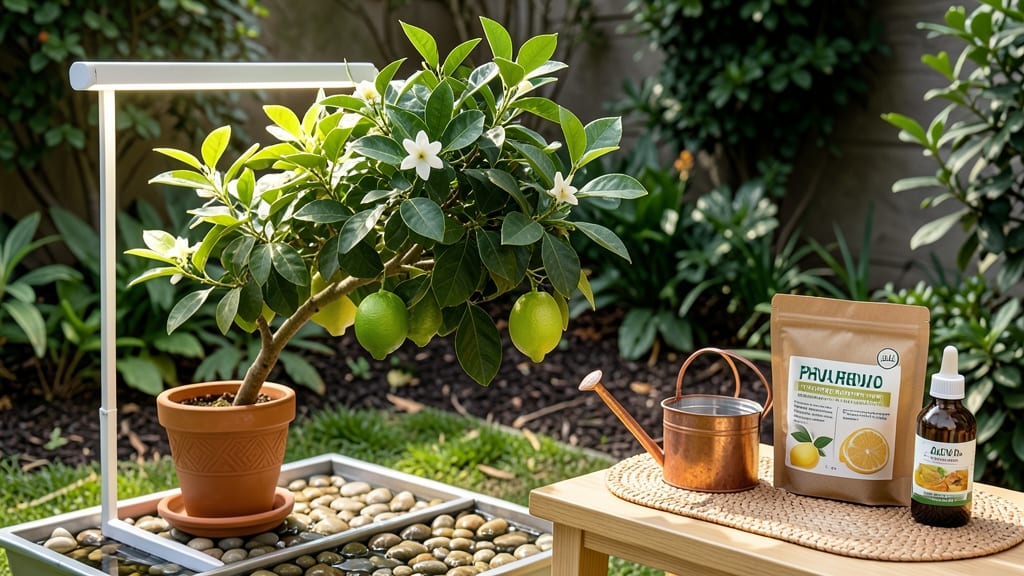
Growing fruit trees indoors means fresh lemons in December and apples by Christmas—no greenhouse needed. 🌱 I once thought fruit trees belonged only in orchards, but compact varieties like dwarf citrus, columnar apples, and patio figs prove me wrong every season. The key?
Matching the right tree to your space, light, and patience. You’ll need containers with drainage, a sunny window or grow lights for 6-8 hours daily, and a soil mix that drains well but holds moisture.
Forget the grocery store’s $5 potted lemon tree—start with a 1-3 gallon container and a healthy bare-root sapling for better long-term results. Prune regularly to control size, and hand-pollinate blossoms if your space lacks bees. By summer’s end, you’ll be harvesting mini oranges, sweet cherries, or even dwarf apples indoors.
The smell of ripe fruit in winter is worth every extra watering check. Just watch for spider mites (they love dry indoor air) and adjust humidity with a pebble tray if leaves start curling. This works for apartments, sunrooms, or even a bright kitchen corner—no yard required.
The only limit is which fruit you crave most. Let’s get those trees fruiting!
📚 In This Guide
- What you need
- Instructions
- Tips and common mistakes
- Wrapping up and next steps
What you need
- ● Compact fruit tree varieties: Dwarf or patio-sized trees like Citrus (e.g., Meyer lemon, Calamondin orange), Apple (Columnar or Spindle varieties), Fig (Chicago Hardy or Little Miss Figgy), or Dwarf Avocado (e.g., Mexican or West Indian types) (1–3 plants, depending on space).
- ● Large containers: 5–15 gallon pots with drainage holes (materials: clay, fabric, or plastic; 1–2 per tree).
- ● High-quality potting mix: Well-draining, slightly acidic blend (e.g., cactus/succulent mix + perlite or citrus-specific soil; 1–2 bags per tree).
- ● Drainage trays: Shallow trays to catch excess water (1 per pot).
- ● Grow lights: Full-spectrum LED or fluorescent bulbs (12–16 hours/day; 15W–25W per tree).
- ● Fertilizer: Slow-release granular or liquid fertilizer (e.g., balanced 10-10-10 or citrus-specific formula; 1–2 applications per month).
- ● Pruning tools: Small bypass pruners and sterilizing solution (for shaping and maintenance).
- ● Humidity tray: A shallow tray with pebbles and water to boost moisture (especially for citrus or avocado).
- ● Self-watering system: Drip irrigation or a moisture meter to automate care.
- ● Pollination aid: A small paintbrush to hand-pollinate if growing self-unfruitful varieties (e.g., some apples).
- ● Support structures: Mini trellises or stakes for columnar trees (e.g., Apple ‘Urban Apple’).
- ● Pest control: Neem oil, insecticidal soap, or sticky traps for indoor pests.
Step-by-step instructions for growing fruit trees indoors
Here's how to nurture miniature fruit trees that bear real harvests year-round.
🪴 Step 1: Select the Right Compact Variety and Container
Choose dwarf or columnar varieties like Meyer lemon, Calamondin orange, or columnar apple trees—these stay under 6 feet tall and thrive in containers. I always pick self-pollinating types to avoid complicated cross-pollination. Your container needs drainage holes and should be at least 12 inches deep (2 gallons minimum) with 3 inches extra width for every year of the tree's age.
Use a lightweight, breathable fabric pot if possible—they prevent root circling and dry out faster than plastic. Fill the bottom 2 inches with gravel or broken pottery shards to ensure proper drainage. This prevents soggy roots, which is the #1 killer of indoor fruit trees. I like to add a slow-release fertilizer pellet at planting time for a 3-month nutrient boost.
☀️ Step 2: Provide Proper Light and Temperature
Place your tree within 3 feet of a south-facing window or under 14-16 hours of grow light daily. Without enough light, leaves turn pale and fruit stays small. I use a full-spectrum LED grow light on a timer—6 inches above the tree—to supplement winter sunlight. Rotate the pot quarter-turn weekly so the tree grows evenly toward the light source.
Keep temperatures between 65-75°F during the day and no lower than 60°F at night. Drafts from windows or vents cause stress, so position the tree away from heating/cooling sources. You'll notice new growth slows or stops if temperatures drop below 55°F—this is your signal to adjust placement immediately.
💧 Step 3: Water and Fertilize for Healthy Growth
Water when the top 2 inches of soil feel dry to the touch—stick your finger in to check. Overwatering is worse than underwatering for fruit trees. I water deeply until it drains from the bottom, then empty the saucer after 10 minutes to prevent root rot. During active growth (spring-fall), add liquid fertilizer every 4-6 weeks with equal parts nitrogen, phosphorus, and potassium.
Watch for yellowing leaves—this usually means overwatering or nutrient deficiency. If the yellow starts at the bottom leaves, it's likely overwatering. If it's new growth, you need more nitrogen. I've found that fish emulsion works wonders for a quick nitrogen boost when leaves lose their vibrant green color.
⏰ Step 4: Prune and Train for Shape and Fruit Production
Prune in late winter or early spring before new growth begins. Remove dead, crossing, or inward-growing branches first. Then cut back overly long branches by 1/3 to encourage bushier growth. I always sterilize my pruners with rubbing alcohol between cuts to prevent disease spread. For columnar varieties, prune only the tips to maintain their vertical shape.
Train young trees by tying branches to stakes in the desired shape. This prevents weak, floppy growth that can break under fruit weight. When buds form, watch closely—fruit buds look fatter than leaf buds and often appear in clusters. Thin fruit when small to 6-8 inches apart so remaining fruit grows larger and the tree doesn't get overburdened.
🍊 Step 5: Pollinate and Care for Fruit Development
If your variety isn't self-pollinating, use a soft paintbrush to transfer pollen between flowers in the morning when they're open. I've had great success with Calamondin oranges—just gently brush each flower cluster for 3-5 seconds per day during bloom. Once fruit sets, reduce water slightly to prevent splitting (especially with citrus).
Fruit trees need more phosphorus during fruiting. Switch to a bloom-boost fertilizer (higher in phosphorus) when you see flowers appear. You'll know your tree is happy when it produces both flowers and new leaves simultaneously. Harvest when fruit is fully colored (citrus) or reaches mature size (apples/pears)—don't wait until it falls, as indoor fruit often stays on the tree too long and becomes mealy.
Tips & tricks for growing fruit trees indoors
Here's what I've learned after nurturing my own indoor fruit trees for years—simple tricks that make all the difference.
Lighting Strategy: If you're using grow lights for that 14-16 hour daily requirement, position them slightly higher than the 6 inches recommendation when your tree is young. As it grows, lower them gradually to maintain consistent light exposure. I've found that adjusting the height every 3 months prevents leggy growth while keeping leaves from burning. For windowsill placement, south-facing is ideal, but west-facing windows work too—just supplement with grow lights during shorter winter days.
Temperature Troubleshooting: That 65-75°F daytime range is critical, but many homes have hot spots near vents or cold drafts near windows. I place my trees on a thermostat-controlled heat mat (set to 65°F) during winter to maintain consistent warmth. If you notice new growth slowing below 55°F, move the tree immediately—even a few degrees can make the difference between thriving and struggling.
Pruning Precision: When pruning in late winter, focus on creating an open center rather than just removing dead branches. I make cuts just above a leaf bud or branch junction, always at a 45-degree angle to prevent water from pooling. For columnar varieties, I only trim the very tips to maintain their shape—never more than 1/4 inch at a time. Sterilizing your pruners between cuts with rubbing alcohol isn't just about disease prevention; it also keeps your tools sharp for cleaner cuts.
Fruit Development Hack: Once fruit sets, I reduce watering by about 20% to prevent splitting, especially with citrus varieties. The key is to keep the soil consistently moist but not soggy—think of it like maintaining a well-watered sponge rather than a dripping faucet. When switching to bloom-boost fertilizer, I mix it with water and apply it directly to the soil surface rather than pouring it around the base, which helps prevent root burn during this critical fruiting phase.
Pro Tips for Growing Fruit Trees Indoors
- Here's what I've learned after nurturing my own indoor fruit trees for years—simple tricks that make all the difference.
- Lighting Strategy: If you're using grow lights for that 14-16 hour daily requirement, position them slightly higher than the 6 inches recommendation when your tree is young.
- Temperature Troubleshooting: That 65-75°F daytime range is critical, but many homes have hot spots near vents or cold drafts near windows.
Frequently asked questions
Got questions about growing fruit trees indoors? You’re not alone—it’s a rewarding but tricky hobby! Here are answers to the most common concerns to help you succeed.
Can I grow any fruit tree indoors, or are there specific varieties?
Not all fruit trees thrive indoors! Opt for dwarf or columnar varieties like Citrus (lemon, lime, orange), Apple (columnar types), Fig (Boston or Chicago Hardy), or Dwarf Avocado. These are bred for smaller spaces and adapt better to controlled environments. Always check the plant’s mature size—some "dwarf" trees still need 6+ feet of space!
How long does it take for an indoor fruit tree to bear fruit?
Patience is key! Most indoor fruit trees take 2–5 years to produce fruit, depending on the variety, care, and light conditions. Citrus trees (like Meyer lemons) often fruit faster (1–3 years), while apples or avocados may take longer. Pro tip: Use grow lights and maintain consistent care to speed up the process slightly.
Why isn’t my indoor fruit tree fruiting? Troubleshooting tips?
Common culprits include:
- Insufficient light: Most fruit trees need 6–8 hours of direct sunlight (supplement with full-spectrum grow lights if natural light is weak).
- Lack of pollination: Hand-pollinate with a small paintbrush if your tree isn’t self-pollinating (common in apples/pears).
- Temperature/stress: Keep temps between 60–75°F and avoid drafts. Sudden changes can shock the tree.
- Over/under-watering: Check soil moisture—fruit trees hate soggy roots but also wilt if dried out.
Do I need a greenhouse or special setup, or can I use a sunny windowsill?
A sunny windowsill (south-facing is ideal) works for small trees, but most fruit trees need more light and space than a windowsill can provide long-term. Consider:
- A grow light system (LED or fluorescent) for 12–16 hours/day.
- A sunroom, conservatory, or even a patio cover in warmer months.
- A large indoor pot (15+ gallons) with drainage and a self-watering tray.
Can I grow more than one fruit tree indoors? What about companion plants?
Yes! Just ensure each tree has enough space (aim for 1–2 feet of clearance between trunks). Companion plants like herbs (basil, mint), succulents, or non-fruiting citrus (like schefflera) can thrive nearby. Avoid overcrowding—root competition slows growth. Pro tip: Group trees with similar water/light needs together for easier care!
Wrapping up and next steps
Growing fruit trees indoors isn’t just a dream—it’s a rewarding adventure that brings fresh, homegrown flavors to your table year-round! 🌱 With the right compact varieties, proper care, and a dash of patience, you’ll enjoy the joy of harvesting juicy berries, sweet citrus, or fragrant apples without stepping outside.
Start small, stay consistent, and soon, your indoor orchard will thrive.
Ready to take the next step? Pick your favorite variety, gather your supplies, and begin your journey today—your future self (and taste buds!) will thank you. 🍎✨