Container Gardens
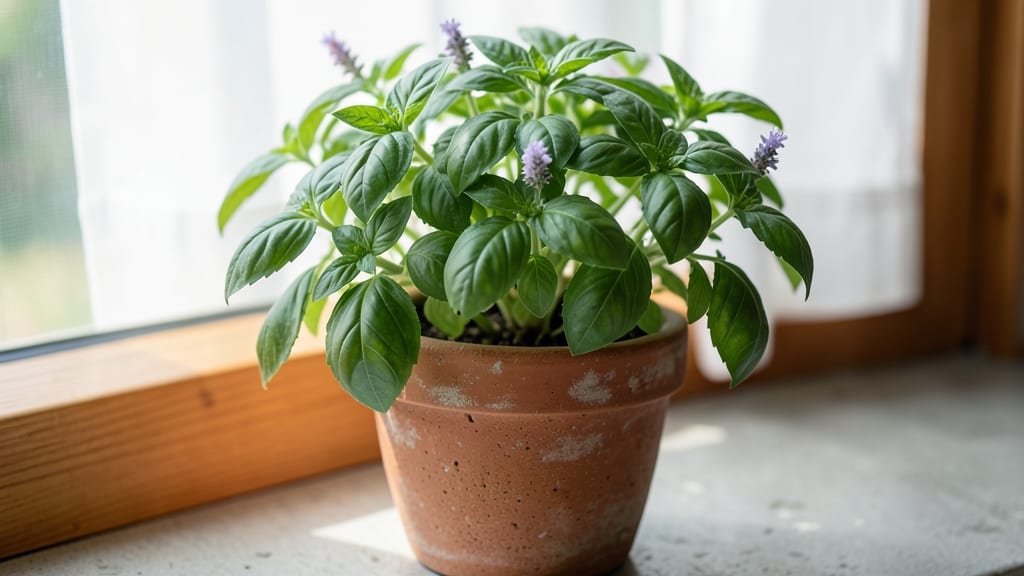
Growing basil indoors means fresh, fragrant leaves anytime—no grocery store needed. 🌱 The key isn’t fancy equipment but matching your setup to basil’s natural light and moisture needs. I’ve grown basil in every season, and this method guarantees lush, flavorful plants that last for months.
You’ll need a sunny windowsill or grow light, well-draining potting mix, and a container with drainage holes. Water when the top inch of soil feels dry, and pinch back the tips to encourage bushier growth.
Most beginners overwater, so let the soil dry slightly between waterings—this prevents root rot and keeps the leaves vibrant.
Within 4-6 weeks, you’ll harvest your first leaves, and with proper care, one plant can produce enough for pesto, salads, and sauces all year. The secret? Consistent light and gentle pruning. Basil thrives on attention, and the more you harvest, the more it grows.
This works for any indoor space—balconies, kitchens, or even sunrooms. Skip the store-bought herbs and grow your own. Here’s how to set it up for success from day one.
📚 In This Guide
- What you need
- Instructions
- Tips and common mistakes
- Wrapping up and next steps
What you need
- ● Basil plants: 1–3 healthy basil plants (seedlings or cuttings from a grocery store or nursery). Look for Genovese, Thai, or Purple basil for variety!
- ● Containers: 1–3 6–8-inch pots with drainage holes (terracotta or ceramic work best).
- ○ Optional: A hanging planter or window box for vertical space.
- ● High-quality potting mix: 1–2 bags of well-draining, sterile potting soil (avoid garden soil—it compacts and holds too much moisture).
- ● Drainage trays or saucers: 1–3 to catch excess water and protect surfaces.
- ● Pruning shears or clean scissors: For harvesting and trimming (sterilize with rubbing alcohol!).
- ● Spray bottle: For gentle watering and humidity control.
- ○ Grow lights (optional but helpful): A full-spectrum LED grow light (12–16 inches above plants, 12–16 hours/day).
- ● Alternative: A south-facing windowsill (6+ hours of direct sunlight daily).
- ○ Fertilizer (optional): Balanced liquid fertilizer (e.g., 10-10-10) or organic compost tea (diluted to half-strength).
- ● Pro tip: Feed every 4–6 weeks during active growth.
- ● Warm spot: Basil thrives in 65–75°F (18–24°C). Avoid cold drafts or AC vents.
- ○ Humidity boost (optional): A pebble tray with water or humidifier to prevent crispy leaves.
- ● Patience: Basil grows fast—harvest in 4–6 weeks with proper care!
Step-by-step instructions for growing basil indoors
Here's how to cultivate basil that tastes fresher than store-bought—with sunlight tricks most growers miss.
🪴 Step 1: Select the Right Container and Soil Mix
Choose a 6-8 inch diameter pot with drainage holes—basil roots need airflow to prevent rot. I swear by terracotta because it wicks away excess moisture naturally. Fill the bottom third with gravel or perlite for extra drainage, then add high-quality potting mix mixed with 20% compost.
Press the soil down lightly until it's firm but not compacted. You'll know it's right when your finger leaves a slight imprint but doesn't sink in. Basil hates soggy roots, so this drainage layer is non-negotiable. I like to add a slow-release fertilizer pellet to the soil mix—it feeds the plant steadily for 3 months without the risk of burning roots.
🌱 Step 2: Plant Seeds or Transplants Correctly
For seeds, plant 2-3 seeds per pot at a depth of ¼ inch—any deeper and they'll struggle to surface. Cover lightly with soil, then mist gently until the surface looks damp but not wet. Place the pot in a warm spot (70-75°F) and cover with plastic wrap to retain moisture. Germination takes 7-14 days, but I've seen seedlings pop up in 5 days when conditions are perfect.
If using transplants, dig a hole twice as wide as the root ball and place the plant so the top of the roots sits just below soil level. Basil grows fast, so don't crowd—one plant per 6-inch pot is ideal. Water immediately after planting to settle the soil around the roots. You'll know it's right when the soil surface looks smooth with no air pockets.
☀️ Step 3: Master the Sunlight Strategy
Basil needs 6-8 hours of direct sunlight daily, but here's the trick: rotate the pot a quarter turn every 2-3 days. This prevents leggy growth by ensuring even exposure. If your windowsill isn't bright enough, supplement with a grow light placed 6 inches above the plant for 12-14 hours daily.
Watch for these signs: leaves turning pale yellow mean too much light; stems stretching toward the window mean not enough. The perfect basil leaf is dark green, glossy, and compact. I keep my basil on a south-facing windowsill in winter and move it to a shaded patio in summer—this balance keeps it thriving year-round.
💧 Step 4: Water and Feed for Maximum Flavor
Water when the top inch of soil feels dry, but never let the soil stay soggy. I use the "finger test": stick your finger in the soil—if it's dry up to your first knuckle, it's time to water. Water deeply until it drains from the bottom, then empty the saucer to prevent root rot. Overwatering is the #1 killer of indoor basil.
Feed every 4-6 weeks with a balanced liquid fertilizer (like 10-10-10) diluted to half strength. You'll notice the difference in flavor—well-fed basil tastes vibrant and aromatic. I also pinch off any flowers that form, redirecting the plant's energy into leaf growth instead of seed production. This keeps the plant bushy and productive.
✂️ Step 5: Harvest and Prune for Continuous Growth
Start harvesting when the plant reaches 6 inches tall. Pinch off the top set of leaves just above a pair of leaves. This encourages branching, giving you more harvests. Regular pruning also keeps the plant compact and prevents it from becoming leggy. I harvest every 2-3 weeks, and the plant keeps producing new growth.
For the best flavor, harvest in the morning after the dew has dried but before the heat of the day. Store harvested basil in a jar of water in the fridge—it'll last 1-2 weeks and stay fresher than store-bought. If your basil starts to bolt (sending up a tall flower stalk), it's time to harvest and replant from seeds or cuttings to keep your supply going.
Tips & tricks for perfect indoor basil growth
These sunlight secrets and care strategies will transform your kitchen windowsill into a basil powerhouse.
Lighting Strategy: The 6-8 hours of direct sunlight basil needs can be tricky indoors. I position my pots on a rotating tray that turns automatically every 24 hours—this ensures even growth without leggy stems. For winter months, supplement with a simple LED grow light on a timer for the full 12-14 hours daily. The key is mimicking natural daylight patterns, not just hitting arbitrary time targets.
Soil Science: That 20% compost ratio in your potting mix isn't just about nutrients—it's about creating the perfect air-to-moisture balance. I like to add a handful of worm castings to the mix for extra microbial activity that boosts flavor. The soil should crumble easily when dry but hold shape when pressed—this texture prevents compaction while allowing proper drainage.
Temperature Control: Maintaining that 70-75°F range during germination is crucial, but don't overlook the importance of consistent temperatures throughout the plant's life. I keep my basil away from drafty windows and heating vents, which can cause temperature swings. A simple digital thermometer placed near the plant helps me monitor conditions—basil thrives when it feels like a cozy spring morning.
Harvesting Technique: When you reach the 6-inch harvest stage, use clean scissors rather than pinching by hand. This prevents crushing stems and keeps the plant healthier. I harvest the top two sets of leaves just above a pair of leaves—this encourages bushier growth. The morning harvest window is critical because basil's essential oils are most concentrated after dew has evaporated but before the heat of the day causes stress.
Pro Tips for Growing Basil Indoors
- These sunlight secrets and care strategies will transform your kitchen windowsill into a basil powerhouse.
- Lighting Strategy: The 6-8 hours of direct sunlight basil needs can be tricky indoors.
- Soil Science: That 20% compost ratio in your potting mix isn't just about nutrients—it's about creating the perfect air-to-moisture balance.
Frequently asked questions
Got questions about growing basil indoors?
You’re not alone! Here are answers to the most common concerns—from sunlight struggles to harvest tips—so you can grow lush, flavorful basil all year long.
How much sunlight does indoor basil really need?
Basil thrives on 6–8 hours of bright, direct light daily. If natural light is limited, supplement with a grow light (LED or fluorescent) 12–16 inches above the plant for 12–14 hours. South-facing windows work best, but east or west exposures can work if you rotate the pot quarter-turns weekly for even growth.
Can I grow basil indoors without a sunny window?
Use a grow light (like a full-spectrum LED) for 12–14 hours/day. Place it 6–12 inches above the plant and adjust as leaves grow. Avoid heat sources (like incandescent bulbs), which can scorch leaves. For budget-friendly options, a simple T5 fluorescent bulb works well.
How long does it take for indoor basil to grow enough to harvest?
With ideal conditions (light, warmth, and moisture), you’ll see new leaves in 4–6 weeks and can start harvesting small leaves in 6–8 weeks. Pinch off the top sets of leaves to encourage bushier growth. Pro tip: Harvest in the morning for the freshest flavor!
Why are my indoor basil leaves turning yellow or curling?
Yellow leaves often signal overwatering (check soil moisture—it should be damp but not soggy) or underwatering (let the top inch dry out). Curling can mean too much heat/direct sun (move to indirect light) or pests (like spider mites). Spray leaves with neem oil or wipe with soapy water if pests appear.
Can I regrow basil from store-bought stems?
Yes! Place 3–4 inches of a fresh basil stem in a jar of water, changing it every 2–3 days. Once roots form (in 1–2 weeks), transplant to soil. Bonus: This method works for cilantro, mint, and parsley too! Just avoid herbicides—store-bought stems may be treated.
Wrapping up and next steps
Growing basil indoors isn’t just possible—it’s rewarding! With the right setup, you’ll enjoy fresh, fragrant leaves year-round, perfect for pesto, pasta, or salads. 🌿 Start small, stay consistent, and soon you’ll be harvesting like a pro.
Ready to take the next step? Try a single pot this week—experiment with light, water, and soil to find what works best for your space. Before you know it, you’ll have a thriving basil garden right on your windowsill!