
Plants
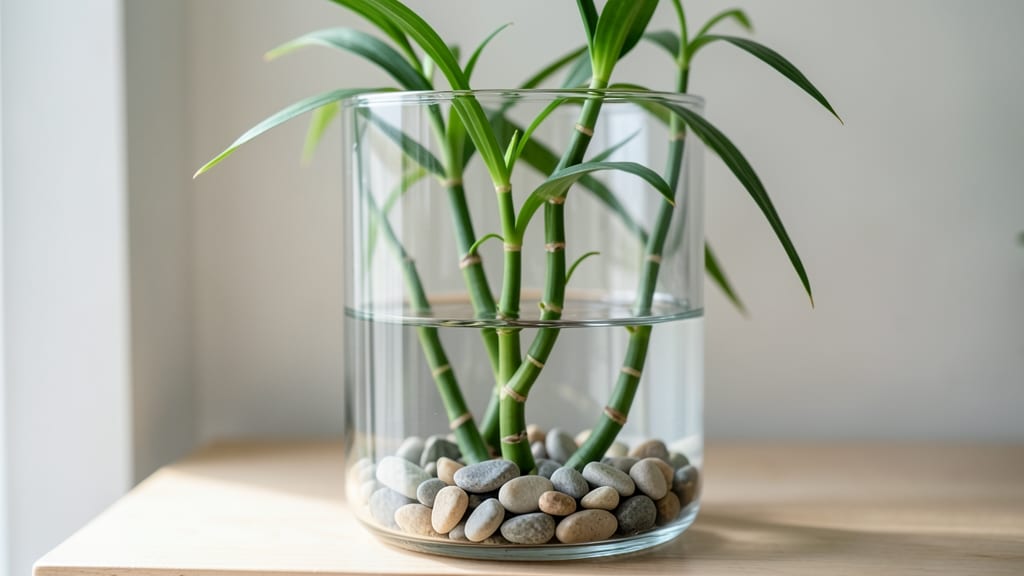
Growing bamboo indoors might sound tricky, but I've turned my living room into a lush bamboo forest using just a few simple tricks. 🌿 The key is choosing the right dwarf variety—like the Golden Goddess or Bambusa multiplex—that stays compact without taking over.
These varieties thrive in low-light spaces, making them perfect for apartments or offices where natural light is limited. You’ll need a 10-15 gallon container with drainage holes, well-draining soil, and a spot near a window (even north-facing works).
Water when the top inch feels dry, and keep humidity high with a pebble tray or misting. The first few weeks are critical—too much water or cold drafts can shock the plant, but once established, bamboo grows with surprising resilience.
By summer, you’ll have tall, arching canes that add drama to any room, all while purifying the air. The real magic happens when you see new shoots emerge—proof that even indoor spaces can feel like a tropical retreat.
Prune regularly to control height and shape, and fertilize lightly in spring for that extra boost of growth. This works for any indoor space, from sunny conservatories to dimly lit bedrooms. The secret? Patience and consistency—just like any plant, bamboo rewards attention with stunning, year-round greenery.
Let’s get those canes growing!
📚 In This Guide
- What you need
- Instructions
- Tips and common mistakes
- Wrapping up and next steps
What you need
- ● Bamboo plant: Choose a clumping bamboo (like Bambusa multiplex or Fargesia) or a running bamboo (e.g., Phyllostachys) in a 10-12 inch pot with drainage holes.
- ● Well-draining soil: A 5-gallon mix of peaty potting soil (60%) + perlite or coarse sand (40%) for aeration.
- ● Container: A 12-16 inch pot (or larger for mature plants) with drainage holes. Terracotta or ceramic works best.
- ● Drainage tray: A shallow tray to catch excess water and prevent root rot.
- ● Watering can: With a rose attachment for gentle, even watering.
- ● Fertilizer: A balanced liquid fertilizer (10-10-10 or 20-20-20) or slow-release granules for bamboo.
- ● Pruning shears: Sharp, clean shears for trimming dead fronds or overgrowth.
- ● Grow lights: A full-spectrum LED grow bulb (12-16 hours/day) for low-light spots.
- ● Humidity tray: A pebble tray with water to boost humidity in dry climates.
- ● Root barrier: A plastic or metal barrier (for running bamboo) to contain rhizomes in larger pots.
- ● Plant food: Fish emulsion or seaweed extract for a nutrient boost.
- ● Decorative pot: A cachepot (outer decorative pot) to hide the functional container.
Step-by-step instructions for growing bamboo indoors
Here's how to cultivate your own indoor bamboo forest—no gardening experience required.
🪴 Step 1: Select the Right Bamboo Variety and Container
Choose a clumping bamboo like Bambusa multiplex or Fargesia varieties—they stay contained and won't spread aggressively. Running bamboos like Phyllostachys need outdoor conditions, so skip those for indoor growing. Pick a container at least 12 inches deep with drainage holes to prevent root rot.
I like using 14-18 inch diameter ceramic pots because they look elegant and hold enough soil to support the plant's growth. If you're starting with a small pot, plan to upgrade to a larger one within 6-12 months as the roots expand. Place a layer of 2-3 inches of gravel at the bottom of the container to improve drainage and prevent waterlogging.
🌱 Step 2: Prepare the Soil and Plant Your Bamboo
Use a well-draining potting mix designed for bamboos or a blend of 60% peat moss, 20% perlite, and 20% compost. Avoid garden soil—it compacts easily and suffocates roots. Fill the container about ⅔ full with the mix, leaving space for the root ball.
If you're planting a young bamboo, gently remove it from its nursery pot and loosen the roots before placing it in the center of your container. For mature plants, dig a hole slightly larger than the root ball and position the plant so the top of the roots sits just below the soil surface. Fill in around the roots with soil, pressing lightly to remove air pockets but not compacting too tightly.
💧 Step 3: Water and Provide Humidity
Water your bamboo thoroughly after planting, allowing water to drain completely from the bottom. Keep the soil evenly moist but not soggy—bamboo roots need consistent moisture but won’t tolerate standing water. Check the soil every 2-3 days by sticking your finger 1 inch deep; if it feels dry, it's time to water.
Bamboo thrives in humidity, so place the pot on a tray filled with pebbles and water to create a self-watering base. Mist the leaves 2-3 times weekly to mimic its natural tropical environment. You'll notice the leaves stay vibrant and glossy when humidity is just right—if they start browning at the edges, your space is too dry.
☀️ Step 4: Position for Light and Temperature
Place your bamboo in bright, indirect light—a spot near an east- or north-facing window works best. Direct sunlight can scorch the leaves, while too little light causes leggy growth. If you notice the stems stretching toward the light or the leaves losing their luster, it's time to move the plant closer to a brighter area.
Bamboo prefers temperatures between 60-75°F. Keep it away from drafts, heating vents, or air conditioning units, which can cause stress. A consistent environment helps the plant grow steadily. In winter, if your home gets dry, consider using a small humidifier nearby to maintain the ideal conditions.
✂️ Step 5: Prune and Maintain for Healthy Growth
Prune your bamboo in early spring to encourage bushier growth. Cut back any dead or yellowing leaves with clean, sharp scissors, and trim leggy stems to just above a leaf node. This redirects energy to new growth and keeps the plant looking tidy. I also remove any suckers that pop up around the base—these can weaken the main plant if left unchecked.
Fertilize your bamboo every 4-6 weeks during the growing season (spring and summer) with a balanced 20-20-20 liquid fertilizer diluted to half strength. Reduce feeding in fall and winter. Watch for signs of over-fertilizing, like brown leaf tips or stunted growth—this means you're giving it too much food. A happy bamboo grows about 12-24 inches per year, depending on the variety.
Tips & tricks for perfect indoor bamboo growth
A few simple strategies that'll help your bamboo thrive indoors without the guesswork.
Variety Matters: Clumping bamboos like Fargesia or Bambusa multiplex are your best bet for indoor growth—they stay contained and won't spread aggressively like running varieties. I've seen Fargesia varieties handle low-light conditions particularly well, making them ideal for offices or dimly lit rooms. If you're choosing between species, opt for the one with the most compact growth habit mentioned on the tag.
Container Upgrade Timing: The instructions mention upgrading to a larger container within 6-12 months—don't wait until you see roots coming out of drainage holes! I've learned the hard way that bamboo roots expand quickly once established. If you notice new shoots appearing near the pot's edges or water draining through almost immediately, it's time to move up to that 14-18 inch diameter pot. This prevents root binding, which can stunt growth.
Soil Mix Secret: That 60% peat moss, 20% perlite, 20% compost blend isn't just a suggestion—it's crucial for proper drainage while retaining moisture. I've found that adding a handful of orchid bark to the mix improves aeration even more. When mixing, don't pack the soil too tightly around the roots; press lightly to remove air pockets but leave room for the roots to expand naturally over time.
Humidity Hack: The pebble tray method works wonders, but here's a pro move: place your bamboo pot on a larger tray filled with pebbles and water, then set that tray on top of a stable surface. This creates a microclimate that maintains humidity around the plant. For extra help in dry climates, group your bamboo with other houseplants—they'll all benefit from the increased humidity. You'll know you're doing well when the leaves stay consistently glossy rather than developing brown tips.
Pro Tips for Growing Bamboo Indoors
- A few simple strategies that'll help your bamboo thrive indoors without the guesswork.
- Variety Matters: Clumping bamboos like Fargesia or Bambusa multiplex are your best bet for indoor growth—they stay co...
- Container Upgrade Timing: The instructions mention upgrading to a larger container within 6-12 months—don't wait unti...
Frequently asked questions
Got questions about bringing bamboo indoors? You’re not alone! Here are some of the most common concerns—and their easy solutions—to help you grow lush, thriving bamboo in your home.
Can bamboo really grow indoors without sunlight?
Yes! Many bamboo varieties, like Dracaena sanderiana (lucky bamboo), thrive in low-light conditions. Place it near a north- or east-facing window, or use a grow light for 6–8 hours daily. Avoid harsh direct sunlight, which can scorch leaves.
How long does it take for indoor bamboo to grow?
Growth speed depends on care, but expect slow progress—about 1–3 inches per month under ideal conditions (bright, indirect light, warm temps, and consistent moisture). Patience is key! With proper care, you’ll see noticeable height gains in 3–6 months.
Is lucky bamboo the same as regular bamboo?
Nope! Lucky bamboo (Dracaena sanderiana) is a non-climbing, non-invasive houseplant, while regular bamboo (like Phyllostachys) is a fast-growing, woody outdoor plant. Lucky bamboo is safe for indoor spaces—no roots or runners to worry about!
Why is my indoor bamboo turning yellow or brown?
Yellowing leaves often mean overwatering or poor drainage, while brown tips signal underwatering or low humidity. Let the top inch of soil dry out between waterings, and mist leaves weekly. Check for pests (like spider mites) if spots appear—isolate and treat with neem oil if needed.
What’s the best indoor bamboo for small apartments?
Opt for compact varieties like Dracaena sanderiana (lucky bamboo) or Bambusa multiplex (thornless bamboo). These stay under 3–5 feet tall and fit snugly in pots. For extra space-saving, grow them in hydroponic setups—no soil required!
Wrapping up and next steps
Growing bamboo indoors isn’t just about adding a touch of nature—it’s about creating a thriving, low-maintenance green corner that brings life and serenity to your space! 🌿 With the right variety, container, and care, you can enjoy lush, towering elegance even in dimly lit rooms.
Whether you’re a beginner or a plant enthusiast, the key is patience and consistency.
Ready to take the next step? Start by selecting your bamboo type and gathering your supplies—then watch your indoor jungle grow! Happy planting! 🌱