
Container Gardens
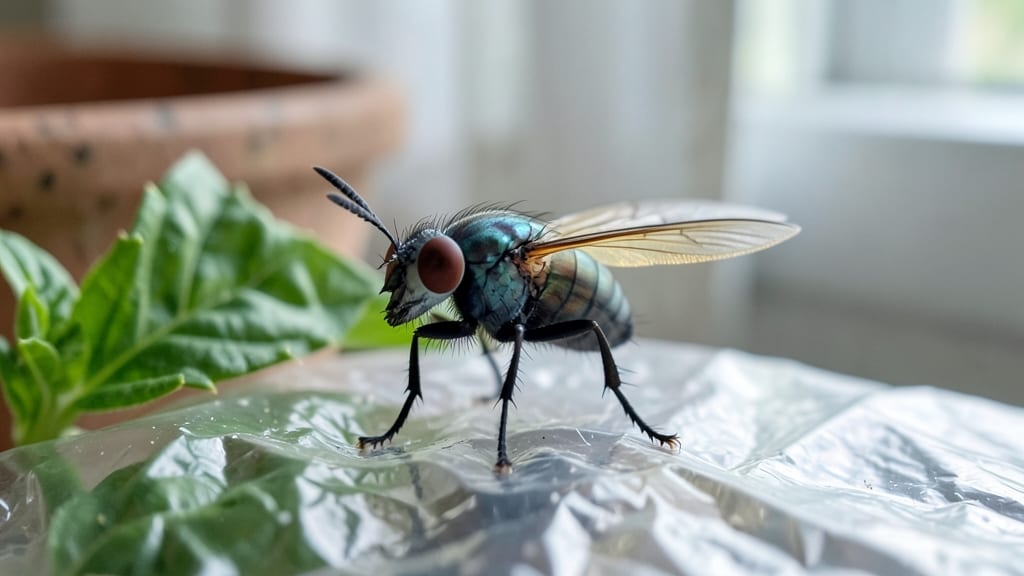
A gnat repellent indoors is the game-changer you need to stop fungus gnats from wrecking your seedlings. 🌱 I’ve battled them for years—until I discovered this citrus-clove spray that clears them in under 24 hours without harming plants.
The secret? A potent blend that disrupts their life cycle while leaving your greens safe and thriving.
Most store-bought sprays contain harsh chemicals that damage delicate seedlings. This DIY version uses peelings, cloves, and water—nothing toxic, just effective. Fungus gnats hate the scent, and your plants get a natural boost from the citrus oils.
No more drowning larvae in soapy water or waiting weeks for traps to work.
By morning, you’ll see fewer gnats hovering near soil. In 3-5 days, their numbers drop dramatically, and your seedlings grow stronger. The spray doubles as a mild fertilizer, so it’s a win-win for your indoor garden’s health.
Works for houseplants, seedlings, and hydroponics—no matter how severe the infestation. Here’s exactly how to mix it and apply it for maximum impact.
Why Gnats Invade Your Home
Those tiny, buzzing pests—fruit flies, fungus gnats, or drain flies—don’t just appear out of nowhere. They’re drawn indoors by specific triggers, often linked to moisture, food, or even hidden breeding grounds.
Understanding why gnats invade helps you stop them before they become a full-blown infestation. Let’s break down the science behind their indoor attraction.
Gnats thrive in humid environments because their larvae need moisture to survive. Here’s how dampness lures them in:
- Standing water: Even a few drops in plant saucers, leaky pipes, or damp sponges create perfect breeding spots. Fungus gnats, for example, lay eggs in moist soil or decaying organic matter.
- High humidity: Areas like bathrooms, basements, or kitchens with poor ventilation become gnat magnets. A humidity level above 60% can trigger an infestation within days.
- Condensation: Cold surfaces (like windows or AC units) paired with warm, humid air create condensation—another gnat attractant.
Actionable fix: Use dehumidifiers, fix leaks, and ensure proper drainage in potted plants.
Gnats have an incredible sense of smell, homing in on fermenting or rotting organic matter. Their favorite indoor buffet includes:
- Fruit flies: Overripe bananas, citrus peels, and forgotten wine bottles are their top targets. Even a single slice of melon left out can spawn hundreds of eggs.
- Drain flies: Grease, food scraps, and clogged drains (especially in sinks and garbage disposals) provide both food and breeding grounds.
- Fungus gnats: Decaying leaves, compost bins, and damp pet food attract adults, while larvae feast on root systems of houseplants.
Actionable fix: Store produce in sealed containers, clean drains monthly with baking soda/vinegar, and compost outdoors.
Gnats don’t just fly in—they reproduce indoors. Common overlooked breeding sites include:
| Gnat Type | Breeding Hotspot | Why It’s Dangerous |
|---|---|---|
| Fruit Flies | Trash cans, recycling bins, and compost piles | Eggs hatch in 24–48 hours if organic waste is left uncovered. |
| Fungus Gnats | Houseplant soil, especially if overwatered | Larvae tunnel through roots, weakening plants while adults swarm. |
| Drain Flies | Clogged pipes and slow-draining sinks | Adults lay eggs in biofilm (microbial slime) within 1–2 weeks. |
Actionable fix: Empty trash daily, let plant soil dry between waterings, and scrub drains with a mix of vinegar + boiling water.
Gnats are cold-blooded and seek warmth to survive. Indoor heat sources—like stoves, ovens, or sunny windowsills—turn your home into a gnat paradise. Poor ventilation worsens the problem by:
- Trapping CO₂ and moisture, which gnats use to locate food.
- Allowing stagnant air to concentrate odors (like spoiled food or pet waste).
- Creating microclimates in corners or under appliances where gnats hide during the day.
Actionable fix: Use exhaust fans in kitchens/bathrooms, open windows when possible, and avoid overcrowding heat sources.
Once you identify why gnats are invading, you can target the root cause—whether it’s moisture, food, or hidden breeding grounds—with effective, natural repellents like citrus-clove sprays or environmental tweaks.
Quick Fixes for Indoor Gnat Problems
Now that you know why gnats are crashing your indoor party, let’s tackle them head-on with practical, fast-acting solutions—no fancy tools or toxic sprays required. These fixes target the root causes (standing water, decaying matter, and breeding spots) while keeping your space safe for pets and kids.
Below, we’ve mapped common causes to their fixes, plus prevention tips to stop future invasions.
Cause: Gnats love moist, stagnant water—think houseplants, damp sponges, or even a forgotten glass of water. Fix It Fast:
- 🔥 Drain and dry all water sources immediately. Empty plant saucers, flip over pet bowls, and dry damp towels.
- 🍳 Replace water traps with apple cider vinegar + dish soap (1:1 ratio in a shallow bowl). The gnats are drawn in but can’t escape—dispose of them daily.
- 👨🍳 Upgrade your drainage—use saucers with pebbles or self-watering pots to reduce moisture buildup.
Prevention Tip: 💡 Wipe down surfaces after watering plants to remove excess moisture. A quick spray with rubbing alcohol (70% or higher) on leaves kills eggs and larvae on contact.
Cause: Gnats thrive on rotting fruit, compost bins, or even crumbs in trash cans. Fix It Fast:
- 🥘 Seal food properly—store fruits in the fridge or use airtight containers. Check for squishy spots on produce and toss them.
- 🔪 Toss trash regularly—use bins with tight lids and take out organic waste daily. If composting indoors, freeze scraps until disposal.
- 🌡️ Freeze problem areas—place a frozen water bottle in your trash can or compost bin for 24 hours to kill larvae.
Prevention Tip: ✨ Keep your kitchen clean—wipe counters after meals and store grains/pasta in sealed containers. Gnats can’t breed if there’s no snack bar!
Cause: Soil in pots holds moisture and organic matter—perfect for gnat eggs and larvae. Fix It Fast:
- 🌱 Soil treatment: Sprinkle diatomaceous earth (food-grade) on topsoil (follow package instructions) or mix 1 tbsp of cinnamon per gallon of potting mix (natural fungicide + repellent).
- 💦 Let soil dry out between waterings. Stick your finger in the soil—if the top inch is damp, wait before watering again.
- 🔄 Repot with fresh soil if infestation is severe. Rinse old soil down the drain and sterilize pots with boiling water.
Prevention Tip: 🎯 Choose gnat-resistant plants like succulents, cacti, or snake plants—they thrive in drier conditions. For moisture-lovers (e.g., ferns), use a moisture meter to avoid overwatering.
Cause: Gnats are deterred by strong scents like citrus and clove—but they hate synthetic chemicals. Fix It Fast: Mix this DIY spray (from your article!) and attack breeding sites:
- 🍊 1 cup water
- 🌿 ½ cup citrus peels (orange, lemon, or lime—fresh or dried)
- 🌿 10 whole cloves
- 🧴 1 tsp dish soap (to break surface tension)
- 🔥 Simmer peels and cloves in water for 10 mins, strain, add soap, and spray on soil, windowsills, and entry points (like open doors).
Reapply every 2–3 days or after cleaning. For instant fogging, use a spray bottle to mist standing water and plant leaves.
Pro Tip: 💡 Double up with fans—gnats are weak fliers. Place a small USB fan near windows or plant clusters to disrupt their flight paths.
Once gnats are gone, prevent reinfestation with these habits:
- 📊 Weekly checks: Scan trash cans, plant saucers, and damp areas every Sunday.
- 🌡️ Temperature control: Gnats hate heat—keep indoor temps above 75°F (they’re less active in warmth).
- 🚪 Seal entry points: Install fine mesh screens on windows and doors (gnats are tiny but can’t squeeze through 1mm gaps).
Remember: Consistency is key! Gnats lay hundreds of eggs daily, so combine fixes (traps + repellents + hygiene) for the fastest results. Within 3–7 days, your space will be gnat-free—and your citrus-clove spray will be the star of the show!
Frequently asked questions about indoor gnat control
Why do gnats keep coming back even after I use repellents?
Gnats reproduce quickly—females lay hundreds of eggs daily in damp soil or decaying matter. Repellents like citrus-clove spray disrupt adults, but you must also eliminate breeding sites (standing water, overripe fruit, or moist soil). Combine traps, repellents, and hygiene for lasting results.
Is the citrus-clove spray safe for pets or kids?
Yes! This spray uses natural ingredients (citrus peels, cloves, and dish soap) that are non-toxic when used as directed. Avoid direct inhalation of large amounts, but the diluted spray is safe around pets and children. Always spot-test on plants first to check for sensitivity.
How long does it take to see results with natural repellents?
You’ll notice fewer gnats within 24 hours of spraying, but full results take 3-7 days to break their life cycle. Consistency is key—reapply every 2-3 days and combine with traps (like vinegar bowls) for faster elimination. Severe infestations may require repotting plants in fresh, dry soil.
Can I use this spray on all houseplants?
Most plants tolerate the citrus-clove spray, but avoid sensitive varieties like orchids or ferns unless tested first. For delicate plants, spray lightly on leaves (not soil) or use the solution only as a soil drench. Always test a small area first to prevent leaf burn.
What’s the best way to prevent gnats from returning?
Focus on moisture control and cleanliness: let soil dry between waterings, empty plant saucers, store fruit in sealed containers, and clean drains monthly with vinegar. Install fine mesh screens on windows and use fans to disrupt gnat flight paths. Weekly checks catch early signs of reinfestation.