
Container Gardens
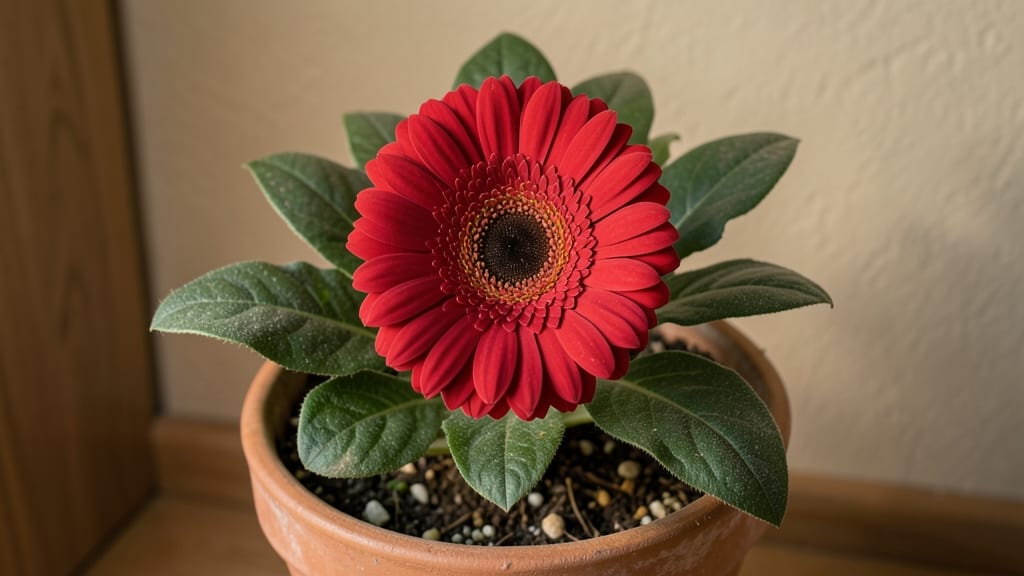
Growing a gerbera daisy indoor plant might sound tricky, but I’ve thrived with mine in my dim living room for years—bright blooms that last months with the right care. 🌸 The key isn’t full sun or fancy setups; it’s understanding how these sun-loving plants adapt to indoor life.
Most people overwater or underlight them, but I’ll show you how to keep them thriving in just a few feet of window space.
You’ll need a pot with drainage, well-draining potting mix, and a spot near a south-facing window (or a grow light). Gerberas hate soggy roots, so I water only when the top inch feels dry—and never let them sit in saucers.
Humidity is the real game-changer: a pebble tray or occasional misting keeps those petals crisp and colorful. Pruning spent blooms encourages more flowers, and repotting every 2 years refreshes their energy.
By summer, your plant will be covered in blooms that last weeks longer than store-bought flowers. The secret? Mimicking their outdoor home with bright light, balanced moisture, and a little TLC.
Even my black thumb can’t kill these—once you get the basics, they’re foolproof indoor stars. Let’s get those petals popping!
Works in apartments, offices, or sunrooms—just adjust light and water based on your space. I’ll cover troubleshooting wilted leaves, yellowing foliage, and why they might refuse to bloom. Ready to turn your windowsill into a cheerful daisy display?
📚 In This Guide
- What you need
- Instructions
- Tips and common mistakes
- Wrapping up and next steps
What you need
- ● Gerbera Daisy Plant: 1 healthy, potted gerbera daisy (choose a variety suited for indoor conditions, like Gerbera jamesonii).
- ● Pot with Drainage: A 6–8 inch pot with drainage holes (terracotta or ceramic works best).
- ● Well-Draining Soil: A mix of 50% peat-based potting soil and 50% perlite or coarse sand (improves aeration).
- ● Watering Can: A small can with a narrow spout for precise watering.
- ○ Humidity Tray (Optional but Helpful): A shallow tray filled with pebbles and water to boost humidity.
- ● Pruning Shears: Small, sharp shears for trimming dead blooms or stems.
- ● Fertilizer: A balanced liquid fertilizer (10-10-10 or 20-20-20), diluted to half-strength.
- ○ Grow Lights (Optional): A full-spectrum LED grow light (12–14 hours/day) if natural light is limited.
- ● Spray Bottle: For misting leaves to maintain humidity.
- ○ Plant Food (Optional): A slow-release granular fertilizer for added nutrients.
Step-by-step instructions for growing gerbera daisies indoors
Here's how to bring vibrant gerbera daisies indoors—even in low-light spaces—with minimal fuss.
🪴 Step 1: Select the Right Container and Soil Mix
Gerbera daisies thrive in pots with drainage holes to prevent root rot. I recommend a 6-8 inch diameter pot for each plant, using a lightweight well-draining potting mix blended with 20% perlite or orchid bark. This ensures excess moisture drains quickly while retaining enough humidity for tender roots.
Fill the pot 1 inch below the rim with the mix, then tap gently to settle it without compacting. The goal is a fluffy, airy medium that mimics their native sandy soil. Avoid garden soil—it compacts and suffocates roots. If repotting an existing plant, choose a pot only 2 inches wider than the current one to encourage blooming rather than leafy growth.
🌱 Step 2: Plant and Position for Low-Light Success
Gently remove the gerbera daisy from its nursery pot and loosen the root ball if it’s tightly bound. Place it in the prepared container, ensuring the top of the root ball sits just below the pot’s rim. Fill the remaining space with your potting mix, pressing lightly to secure the plant without compressing the soil.
Position your gerbera in bright, indirect light—think east-facing windows or 6-8 feet from a south-facing window. Direct sun scorches the delicate petals, while too little light causes leggy stems and sparse blooms. If natural light is limited, supplement with a grow light 12-18 inches away for 12-14 hours daily. You’ll know the light is right when leaves stay deep green, not yellowing or stretching.
💧 Step 3: Water and Fertilize for Continuous Blooms
Water gerbera daisies when the top 1-2 inches of soil feel dry to the touch. Stick your finger in—if it’s damp past your first knuckle, wait another day. Overwatering is the #1 killer of indoor gerberas. I water at the base of the plant, avoiding the foliage to prevent fungal issues. After watering, empty the saucer to prevent soggy roots.
Feed your gerbera every 2-3 weeks during spring and summer with a balanced liquid fertilizer (10-10-10 or 20-20-20) diluted to half-strength. In fall and winter, reduce feeding to once every 6-8 weeks—they’re semi-dormant then. Deadhead spent blooms by snipping the stem ½ inch above the next leaf set to encourage new flowers. This simple step keeps your plant blooming nonstop.
✂️ Step 4: Prune and Maintain for Longevity
Prune leggy stems by cutting just above a set of leaves to promote bushier growth. Avoid cutting into woody stems—gerberas bloom best when pruned lightly. If a stem flops over, prop it up with a small stake or gently weave it into the pot’s structure. Yellow leaves signal overwatering or poor drainage; trim them off to redirect the plant’s energy.
Rotate the pot a quarter turn weekly so the plant grows evenly toward the light. Dust leaves every 2-3 months with a damp cloth—gerberas have broad petals that trap dust, blocking light absorption. In winter, keep temperatures between 60-70°F and avoid cold drafts. A happy gerbera will reward you with 3-5 inch blooms for months, even in low-light conditions.
Tips & tricks for perfect gerbera daisy indoor plant care
Real talk: These are the little details that separate a struggling indoor gerbera from one that blooms like crazy all year. I learned these the hard way after watching three plants wilt before their time.
Lighting Strategy: That 12-14 hours of grow light isn't just about duration—it's about consistency. I use a timer for my grow light so I never forget, and position it 12-18 inches away from the plant. Too close and you'll scorch those delicate petals, too far and you're back to square one with weak growth. The key is maintaining that distance while keeping the light at eye level with the plant's foliage.
Soil Science: The 20% perlite or orchid bark isn't just filler—it's what prevents root rot in those 6-8 inch pots. I always mix mine right before potting because perlite loses its effectiveness when exposed to air for too long. Pro tip: Add a handful of activated charcoal to your mix to prevent bacterial growth, especially if you're repotting an existing plant.
Temperature Control: While the instructions mention keeping temps between 60-70°F, I've found gerberas actually thrive at the higher end of that range during their active growing months. In winter, I move mine to a slightly warmer spot near a south-facing window. The difference in bloom quantity is night and day—literally. Just avoid cold drafts from windows or doors, which can cause shock and drop buds.
Fertilizer Timing: That 2-3 week feeding schedule during spring/summer is perfect, but here's what nobody tells you—gerberas actually prefer a weaker solution than what's printed on fertilizer bottles. I always dilute my 10-10-10 to half-strength, but I've even gone to quarter-strength in summer when I notice salt buildup on the soil surface. A quick rinse with water every few months prevents that crusty mess.
Pro Tips for Gerbera Daisy Indoor Plant
- Real talk: These are the little details that separate a struggling indoor gerbera from one that blooms like crazy all year.
- Lighting Strategy: That 12-14 hours of grow light isn't just about duration—it's about consistency.
- Soil Science: The 20% perlite or orchid bark isn't just filler—it's what prevents root rot in those 6-8 inch pots.
Frequently asked questions
Got questions about keeping your gerbera daisy indoor plant thriving? You’re not alone! Here are answers to the most common queries to help you grow vibrant blooms with confidence.
How much light does a gerbera daisy need indoors?
Gerbera daisies thrive in bright, indirect light—think east or west-facing windows. Avoid harsh direct sun (like south-facing windows), which can scorch petals. If natural light is limited, supplement with a grow light 12–14 hours daily. Pro tip: Rotate the pot weekly for even growth!
Why isn’t my gerbera daisy blooming indoors?
Lack of blooms often stems from low light, overwatering, or poor nutrition. Ensure it gets 6+ hours of bright light daily and water only when the top inch of soil is dry. Feed with a balanced liquid fertilizer (20-20-20) every 4–6 weeks during spring/summer. Bonus: A cool night (60–65°F) can trigger flowering!
How often should I water my indoor gerbera daisy?
Water when the top 1–2 inches of soil feel dry—typically once a week (adjust for humidity/climate). Overwatering causes root rot, while underwatering leads to droopy petals. Use a pot with drainage holes and empty the saucer after watering to prevent soggy roots.
Can I grow gerbera daisies from store-bought flowers?
Unfortunately, no—store-bought gerbera daisies are often treated with preservatives to extend shelf life, making them non-viable for propagation. For indoor plants, opt for live nursery-grown gerberas or try propagating from healthy cuttings (if available) in water or soil.
What pests should I watch for on my gerbera daisy?
Keep an eye out for aphids, spider mites, or whiteflies, which thrive in dry conditions. Prevent pests by misting leaves occasionally and wiping them with a damp cloth. If infested, treat with neem oil or insecticidal soap. Early action: Isolate the plant and check the undersides of leaves!
What’s the ideal temperature for indoor gerbera daisies?
Gerberas love moderate temps between 60–75°F during the day and cool nights (55–65°F) to encourage blooming. Avoid drafts (like AC vents or heaters) and sudden temperature swings, which stress the plant. Winter tip: Move pots away from cold windows!
Wrapping up and next steps
Bringing the cheerful gerbera daisy indoors is a rewarding way to enjoy year-round color with minimal fuss! With the right light, soil, and care, this vibrant plant thrives even in low-light spaces—proving that beauty doesn’t need sunshine to flourish. 🌸
Ready to transform your space? Start by picking your pot and repotting if needed—then watch those blooms light up your home like magic. Happy planting! 🌱