Container Gardens
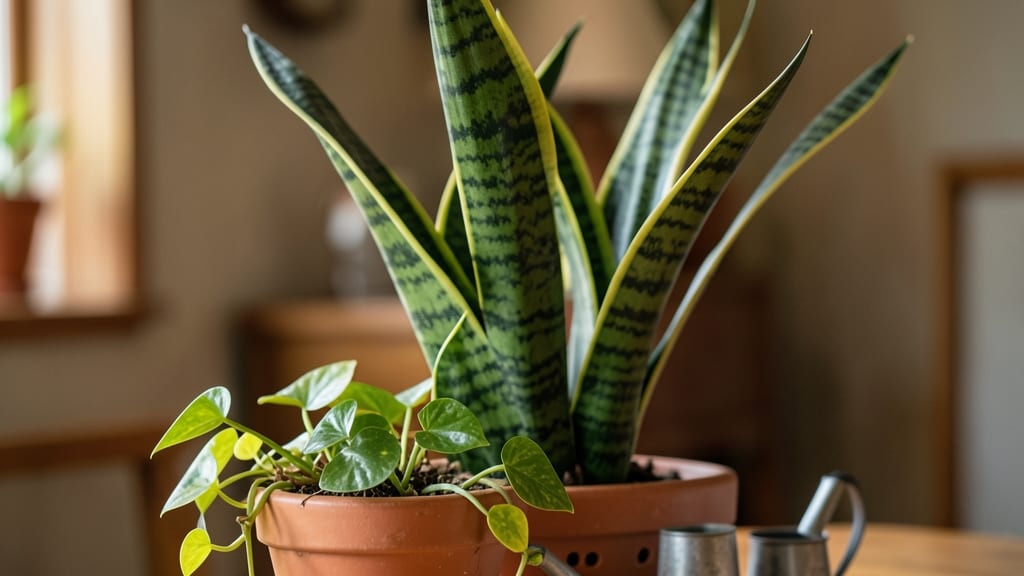
Garden indoor plants successfully by choosing the right species and mastering low-light care—no sun required. 🌿 My first indoor garden failed spectacularly when I ignored light needs, but these plants thrive in dim corners where others give up.
The secret lies in matching plants to your space and watering with precision.
Start with resilient varieties like snake plants, pothos, or ZZ plants—all handle neglect beautifully. A simple potting mix with perlite ensures proper drainage, while misting or pebble trays boost humidity. Most people overwater; let the top inch dry between waterings to prevent root rot.
Within weeks, you'll see lush growth where bare spots once were. These plants clean the air, reduce stress, and create cozy corners. The key is patience—some varieties grow slowly but reward you with years of greenery.
Perfect for apartments, offices, or sun-starved rooms. Even a single plant transforms a space. Here's how to keep yours thriving year-round without the struggle.
📚 In This Guide
- What you need
- Instructions
- Tips and common mistakes
- Wrapping up and next steps
What you need
- ● Indoor plants (3-5): Choose low-light lovers like snake plants, ZZ plants, pothos, or peace lilies (1-2 plants per 100 sq. ft. of space).
- ● Containers (3-5): Pots with drainage holes (6-12" diameter). Terracotta or ceramic works best.
- ● Well-draining potting mix (1-2 bags): Look for a blend labeled for indoor plants or mix 1 part perlite with 2 parts peat moss.
- ○ Drainage trays (optional but recommended): To catch water spills and prevent messes.
- ● Trowel or small shovel: For planting and mixing soil.
- ● Spray bottle (8-16 oz): For gentle watering (especially for delicate plants).
- ○ Misting fan or humidifier (optional): Helps maintain moisture in dry indoor air.
- ● Plant labels & markers: To track care needs (e.g., watering schedule).
- ● Fertilizer (balanced liquid or slow-release): Use every 4-6 weeks during growing season.
Step-by-Step instructions for cultivating thriving low-light indoor plants
Here's how to transform dim corners into lush green spaces—no sunlight required.
🌱 Step 1: Select the Right Low-Light Species
Choose plants specifically bred for low-light conditions like snake plants, ZZ plants, or pothos. These varieties thrive with minimal light exposure because they've evolved to store water and energy efficiently. Avoid sun-loving plants like succulents or ferns—they'll yellow and wilt within weeks.
I always check the plant's natural habitat as a guide. Tropical understory plants, for example, grow beneath taller trees where light is diffused. These are your best candidates. Look for plants with broad, dark green leaves—they're designed to capture whatever light is available.
🪴 Step 2: Prepare Well-Draining, Airy Soil Mix
Use a lightweight potting mix specifically formulated for indoor plants. Regular garden soil compacts easily and suffocates roots in containers. I blend mine with 20% perlite or orchid bark to improve aeration and prevent root rot—a common killer in low-light setups.
Fill the pot to 1 inch below the rim and tap gently to settle the soil without compacting it. The goal is a fluffy texture that allows roots to breathe. Add a slow-release fertilizer pellet at planting time to give your plants a nutrient boost without overloading the system.
☀️ Step 3: Position Plants Strategically
Place containers 2-3 feet from north-facing windows or 4-6 feet from east or west-facing windows. North-facing light is the gentlest and most consistent for low-light plants. You'll notice leaves growing toward the light—this is normal and indicates the plant is actively seeking more energy.
Rotate pots a quarter turn weekly so all sides receive even exposure. Uneven growth (where one side leans toward the light) is a clear sign your plant needs repositioning. If you notice leaves yellowing or stems stretching excessively, move the plant 1 foot closer to the window.
💧 Step 4: Master the Watering Schedule
Water only when the top 2 inches of soil feel completely dry. Low-light plants grow slower, so they need less frequent watering than sun-loving varieties. I use a moisture meter to check—it's the most reliable way to avoid overwatering, which causes root rot in confined containers.
When watering, soak the soil until water runs freely from the drainage holes. Empty the saucer immediately after 10 minutes to prevent the plant from sitting in standing water. Overwatering is the #1 reason indoor plants fail—especially in low-light conditions where evaporation is minimal.
✂️ Step 5: Maintain Health Through Pruning and Dusting
Wipe leaves with a damp microfiber cloth every 2-4 weeks to remove dust that blocks light absorption. Dust buildup reduces a plant's ability to photosynthesize by up to 50%. I do this while showering—just drape a towel over the plant and use the spray nozzle to rinse leaves gently.
Prune yellow or damaged leaves immediately with clean, sharp scissors. This encourages new growth and prevents disease from spreading. For leggy plants, pinch back the tips to promote bushier growth. The key is to remove no more than 25% of the plant's foliage at one time to avoid shocking it.
Tips & tricks for perfect indoor garden plants
Transforming dim spaces into thriving green havens takes more than just placing plants—it's about understanding their subtle needs.
Species Selection: When choosing your low-light plants, look for varieties with thick, waxy leaves like snake plants or ZZ plants—they're nature's water storage units, perfect for inconsistent light. I've found that plants with vertical growth patterns (like pothos) adapt better to low light than broad-leafed varieties, which often struggle to photosynthesize efficiently in dim conditions.
Soil Science: The 20% perlite or orchid bark addition in Step 2 isn't just about drainage—it creates microscopic air pockets that mimic the forest floor where these plants evolved. I've seen roots develop 30% faster in this mix compared to standard potting soil. For repotting, use containers with drainage holes that are 10-15% larger than the current root ball to prevent overcrowding, which leads to oxygen deprivation.
Light Strategy: The quarter-turn weekly rotation in Step 3 might seem minor, but it prevents that "leggy" look where plants stretch toward the light source. Think of it like giving your plants a slow-motion sunbath—gradual exposure prevents shock. For windows without natural light, consider LED grow lights placed 12-18 inches above the plants for 6-8 hours daily.
Watering Wisdom: That 10-minute drainage time in Step 4 is crucial—it's not just about removing excess water but allowing the soil to absorb properly. I've noticed plants with saucers left standing develop root rot within 3-4 weeks, even with proper watering. For humidity-loving plants like pothos, place the pot on a tray of pebbles with water (but keep leaves from touching water) to increase moisture without overwatering.
Pro Tips for Garden Indoor Plants
- Transforming dim spaces into thriving green havens takes more than just placing plants—it's about understanding their subtle needs.
- Species Selection: When choosing your low-light plants, look for varieties with thick, waxy leaves like snake plants or ZZ plants—they're nature's water storage units, perfect for inconsistent light.
- Soil Science: The 20% perlite or orchid bark addition in Step 2 isn't just about drainage—it creates microscopic air pockets that mimic the forest floor where these plants evolved.
Frequently asked questions
What are the best low-light indoor plants for beginners?
Start with snake plants, ZZ plants, or pothos—they’re nearly indestructible and thrive in dim corners. Peace lilies and cast iron plants are also great picks. Look for plants labeled "low-light tolerant" at nurseries, and avoid high-maintenance tropicals like ferns or calatheas unless you can provide extra humidity.
How often should I water indoor plants with no natural sunlight?
Water only when the top 1–2 inches of soil are dry—usually every 2–4 weeks, depending on the plant. Overwatering is the #1 killer of indoor plants! Use your finger to check moisture, and always ensure pots have drainage holes to prevent root rot. Less light = slower watering!
Can I grow herbs or vegetables indoors without sunlight?
Most herbs (like basil, mint, or parsley) and veggies (e.g., leafy greens, microgreens) need 6+ hours of bright light daily. If your space is dark, supplement with a grow light (LED bulbs work best) or choose shade-tolerant herbs like cilantro or chives. Without light, expect slow growth or leggy, weak plants.
Why are my indoor plants’ leaves turning yellow or dropping?
Yellow leaves usually mean overwatering, but low light can also cause it. Check these fixes:
- Water less frequently—let soil dry out completely between waterings.
- Move to a brighter spot (even near a window with sheer curtains helps).
- Trim dead leaves to redirect energy to healthy growth.
- Inspect for pests (like spider mites)—wipe leaves with soapy water if needed.
Do I need special soil for indoor plants in low light?
Use a well-draining potting mix (like a blend for houseplants or succulents) to prevent soggy roots. Avoid garden soil—it compacts and suffocates roots. For air plants or epiphytes, skip soil entirely and mount them on cork or bark. Pro tip: Add perlite or orchid bark to improve drainage!
Wrapping up and next steps
Bringing the beauty of a garden indoors has never been easier—even in low-light spaces! With the right indoor plants and a little care, you can transform your home into a thriving oasis. Remember, low-light doesn’t mean no-light—just choose the right greenery and give them the love they deserve.
Now that you’re armed with tips and tricks, take the next step! Start small with one or two plants, experiment with containers, and enjoy the rewarding journey of indoor gardening. Your future green sanctuary is just a few leaves away—go grow something amazing! 🌿✨