
Orchid Care
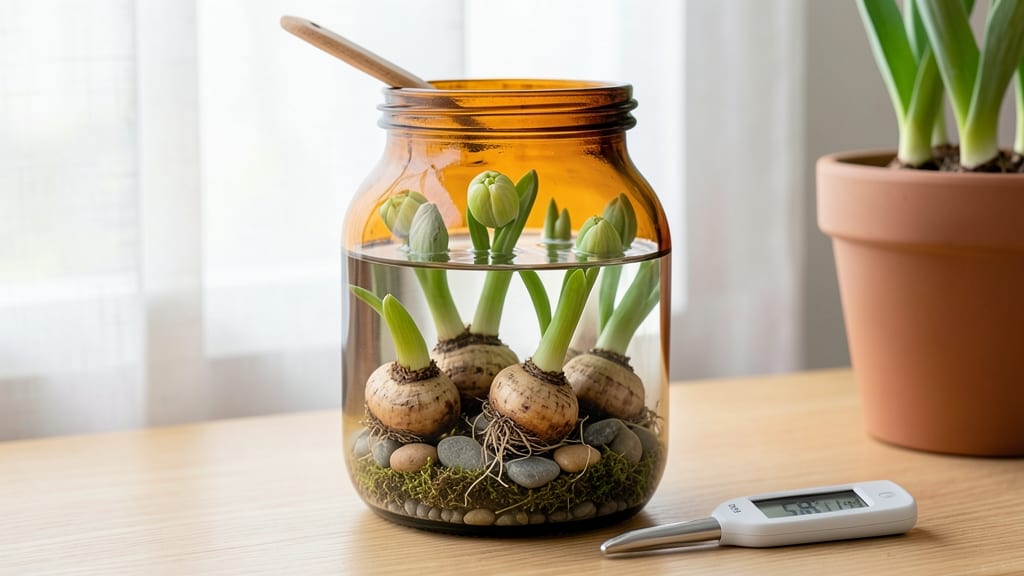
Forcing tulips indoors in water transforms dormant bulbs into vibrant blooms in just two weeks—no soil required. ✨ I’ve forced dozens this way, and the secret lies in selecting the right bulbs, keeping the water fresh, and giving them bright, indirect light.
The results? A winter windowsill display that rivals spring gardens. You’ll need paper towels, a shallow container, and tulip bulbs (preferably paperwhite or Darwin hybrids). Skip the fancy setups—this method works with what you already have.
The key is patience: roots appear in 7-10 days, and buds follow within 14 days of planting. Once blooms open, enjoy their fragrance for 5-7 days before fading. After they die back, compost the bulbs—they’ve given you their all.
For next year, save a few bulbs to replant outdoors in fall. This method is foolproof for beginners but works for experienced gardeners too. Just avoid overwatering (mold is the enemy) and watch as your kitchen table becomes a floral centerpiece.
📚 In This Guide
- What you need
- Instructions
- Tips and common mistakes
- Wrapping up and next steps
What you need
- ● Fresh tulip bulbs: 3–5 medium-sized, unplanted bulbs (choose varieties like Darwin Hybrid, Parrot, or Fosteriana for best results).
- ● Clear glass or vase: A narrow-mouth container (like a mason jar, bud vase, or even a clean soda bottle) with a minimum 6-inch height to submerge ⅔ of the bulb.
- ● Room-temperature water: Enough to cover the bulb’s base up to the neck (not the top!). Distilled or filtered water works best to avoid algae.
- ● Sharp knife or pruning shears: For trimming stems and removing outer scales (if needed).
- ○ Food coloring (optional but fun!): A few drops of non-toxic gel or liquid dye (like Dr. Ph. Martin’s) to tint the water for a whimsical touch.
- ● Newspaper or paper towels: To line your workspace and catch messes.
- ● Aluminum foil or plastic wrap: To cover the bulb’s neck (where the stem meets the bulb) and prevent rot.
- ● Chalk or marker: To label your vase if you’re experimenting with multiple colors.
- ○ Small pebbles or marbles: (Optional) To weigh down stems and keep them upright.
- ● Grow lights or sunny windowsill: A south-facing window or a 12-hour daily light source (like a LED grow bulb) for optimal blooming.
Step-by-Step instructions for forcing tulips indoors in water
Here’s how to coax vibrant tulips to bloom indoors without soil—just water and patience.
🌱 Step 1: Select and Prepare the Bulbs
Choose firm, plump tulip bulbs—larger ones yield bigger blooms. I avoid bulbs with soft spots or mold, as they won’t force well. For best results, pick varieties bred for forcing, like ‘Apeldoorn’ or ‘Darwin Hybrid’—they’re hardy and reliable. Let bulbs sit in a cool, dark place (like a basement or garage) for 2-3 weeks before starting. This mimics winter dormancy and ensures stronger growth.
Once you’re ready, peel away any dried outer skins and trim the root base to about ½ inch below the bulb. This prevents rot and encourages new root growth. Place the bulbs in a shallow dish or vase—no need for elaborate setups. I like using a clear glass jar so I can watch roots develop.
💧 Step 2: Submerge and Hydrate the Bulbs
Fill your container with lukewarm water until the base of the bulbs is submerged by about ½ inch, but never cover the tops. Tulips absorb water through their bases, so keeping them partially submerged ensures steady hydration without drowning. Change the water every 2-3 days to prevent bacterial growth—stagnant water turns foul quickly and can rot the bulbs.
Place the container in a spot with bright, indirect light, like a sunny windowsill (east or west-facing works best). Avoid direct sunlight, which can scorch the emerging stems. You’ll see tiny white roots within 3-5 days, signaling the bulbs are actively drawing up water. This is the moment you’ll know everything’s on track.
☀️ Step 3: Provide Light and Encourage Growth
After roots reach about 1-2 inches long, move the container to a cooler spot (around 60-65°F) to slow stem elongation. Too much warmth causes leggy, weak stems that flop over. I place mine on a shelf near a window but away from heat sources like radiators. Once stems reach 3-4 inches tall, they’re ready for brighter light to trigger blooming.
Increase light exposure gradually—4-6 hours of indirect light daily is ideal. You’ll notice the stems straighten and leaves unfurl within 7-10 days. At this stage, add ½ inch more water if the levels drop, keeping the base submerged but never soggy. The goal is to keep the bulbs hydrated without overwatering.
⏰ Step 4: Watch for Buds and Prepare for Blooms
When the stems reach 6-8 inches tall, buds will form at the top. This is the final stretch—blooms typically appear in 7-10 days after buds emerge. I keep the water fresh and the environment stable (no drafts or temperature swings). Tulips forced this way often bloom 2-3 weeks after starting, depending on the variety and conditions.
Once buds open, move the container to a cooler, shaded spot to prolong bloom time. Cut-stem tulips last 5-7 days in water, but indoor-forced blooms may fade faster due to indoor heat. To extend their life, trim stems at an angle and change the water daily. Enjoy your early spring blooms—indoor forcing lets you beat the season!
Tips & tricks for perfect indoor tulip blooms
Here's what I learned after forcing dozens of tulips—these tricks make all the difference between weak stems and showstopping blooms.
Selection Matters: In Step 1, those 2-3 weeks of pre-chilling are non-negotiable. I once skipped this with a batch of bulbs I bought in late winter, and they produced pathetic, spindly stems. The cold period mimics natural winter dormancy, priming the bulbs for vigorous growth. Look for bulbs that feel heavy for their size—this indicates stored energy for blooming.
Root Development Watch: The 3-5 days it takes for roots to appear might feel slow, but this is when the magic happens. In Step 2, place your container on a white plate or tray—this helps you spot the first tiny white roots against the glass. Once you see these, you know the bulbs are actively drawing up water. If no roots appear after 5 days, check your water temperature—it should be lukewarm, not cold or hot.
Light Management: The 4-6 hours of indirect light in Step 3 is your sweet spot. Too little light and stems grow leggy; too much direct sun scorches them. I use a sheer curtain over my south-facing window to diffuse harsh afternoon rays. When stems reach 3-4 inches, increase light gradually—sudden bright light can shock the plants. A grow light on a timer works beautifully if natural light is insufficient.
Water Level Consistency: Maintaining that precise ½-inch water level is easier than it sounds. Use a clear container so you can see the water level against the submerged bulb base. I mark the water level with a permanent marker on the outside of the container. When you add more water in Step 3, do it slowly—sudden changes can stress the developing roots. Always use fresh, room-temperature water to avoid shocking the system.
Pro Tips for Forcing Tulips Indoors In Water
- Here's what I learned after forcing dozens of tulips—these tricks make all the difference between weak stems and showstopping blooms.
- Selection Matters: In Step 1, those 2-3 weeks of pre-chilling are non-negotiable.
- Root Development Watch: The 3-5 days it takes for roots to appear might feel slow, but this is when the magic happens.
Frequently asked questions
Can I use any tulip bulbs for this method?
Not all tulip bulbs work for forcing—stick to species tulips (like Tulipa tarda or Tulipa clusiana) or Darwin Hybrid varieties. Avoid hybrid tulips (e.g., Parrot or Double Late) as they’re bred for garden display, not indoor forcing. Check your bulb’s label or ask a local nursery for forcing-friendly options!
How long does it take for tulips to bloom indoors?
With the water-only method, you’ll see buds in 10–14 days and blooms in 2–3 weeks, depending on bulb size and temperature. Smaller bulbs may take slightly longer. Keep them in a cool, dark spot (like a closet) for the first week, then move to bright, indirect light to speed up blooming.
Do I need to change the water daily?
Nope! Change the water every 2–3 days to prevent bacterial growth and keep stems fresh. Top off the vase between changes if the water level drops. Use room-temperature water to avoid shocking the bulbs. Pro tip: Add a drop of bleach to the water every few days to deter mold.
What if my tulips wilt or droop?
Drooping can mean a few things:
- Underwater: Trim stems by 1 inch and refresh the water.
- Too warm: Move them to a cooler spot (ideal: 60–65°F).
- Ethylene gas: Keep them away from fruits (like apples) or other flowers.
Can I reuse the bulbs after forcing?
Unfortunately, no—forcing tulips in water drains their energy, and they won’t regrow. Treat it like a one-time showstopper! For future displays, plant the bulbs outdoors in fall after blooming (if you’re in a cold climate) or compost them. Every bulb is a fresh start!
Wrapping up and next steps
Forcing tulips indoors in water is a simple, rewarding way to bring early spring vibrancy into your home—no soil or pots required! 🌸 With just a few stems, patience, and a sunny windowsill, you can enjoy stunning blooms in just two weeks.
Whether you’re a gardening newbie or a seasoned plant lover, this water-only method proves that beautiful results don’t need complicated setups.
Ready to transform your space? Next, grab those tulip bulbs, follow the steps, and watch your indoor garden flourish—then share your blooms with friends or snap a photo for your plant journal! 📸✨