
Planting
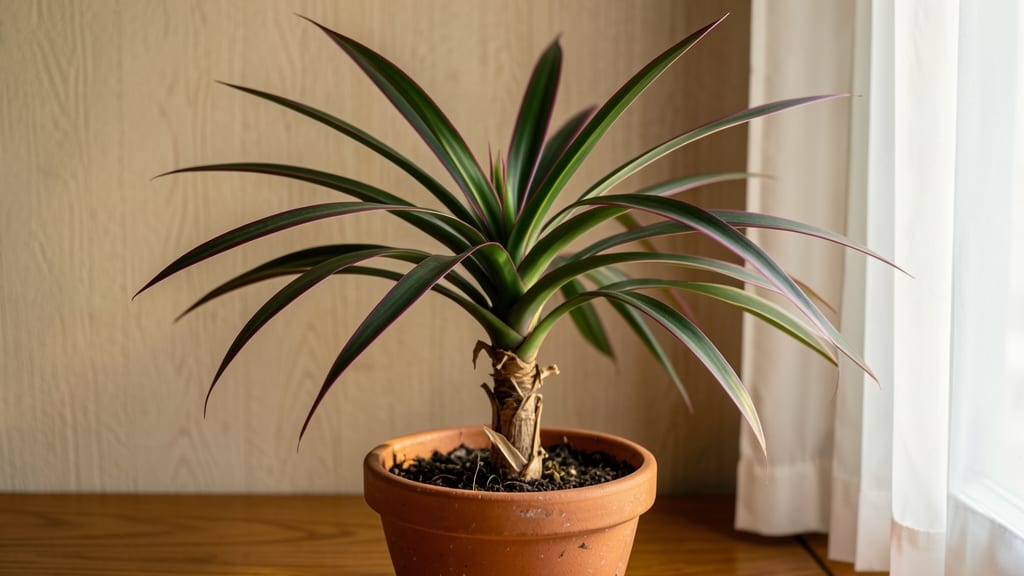
Dragon plants thrive indoors with just a corner and occasional watering—no green thumb required. 🌿 I’ve kept mine alive for years by ignoring the "rules" everyone else swears by, and it’s now a lush 4-foot jungle in my living room. The secret?
Understanding what it actually needs, not what myths say. Most people overwater or crowd these plants, but dragon plants hate soggy soil and tight spaces. A 6-inch pot with drainage holes and a moist-but-not-wet routine keeps them happy.
They’ll tell you when they’re thirsty—droopy leaves mean water, crispy brown tips mean you’re overdoing it. By spring, you’ll see new growth shooting up like a mini rainforest, with those signature sword-shaped leaves reaching for the light. The best part? It purifies the air while looking effortlessly stylish.
No fancy setups—just a spot near a window (even north-facing) and basic care. Here’s the real trick: dust those leaves every few months. They’re tropical plants, and clean foliage means better photosynthesis. Skip the pruning unless it gets leggy—then just snip above a leaf node for instant bushiness.
📚 In This Guide
- What you need
- Instructions
- Tips and common mistakes
- Wrapping up and next steps
What you need
- ● Dragon Plant (Dracaena marginata): 1 healthy plant (check for vibrant green/red edges and no brown spots!)
- ● Well-draining potting mix: 1 bag (6–8 quarts) of cactus or succulent mix blended with orchid bark or perlite (50/50 ratio). Pro tip: Avoid heavy garden soil—dragon plants hate soggy roots! 🌡️
- ○ Pot with drainage holes: 1 container (1–2 inches larger in diameter than the plant’s root ball). Optional: Self-watering pots work too!
- ● Pebbles or gravel: Small handful (for drainage layer at the pot’s bottom).
- ● Trowel or small shovel (for repotting)
- ● Glove (to protect hands from sharp leaf edges)
- ● Spray bottle (for misting in dry climates)
- ● Humidity tray (if your home is arid)
- ● Fertilizer (balanced liquid fertilizer, diluted to half-strength)
- ● A spot with bright, indirect light (e.g., near a north- or east-facing window). Low-light tolerance? ✨ It’ll survive but grow slower!
- ● Room temperature (60–75°F) and moderate humidity (40–50% is ideal).
- ● Patience! Dragon plants grow slowly—think of them as the tortoises of houseplants. 🐢
Step-by-step instructions for growing a dragon plant indoors
Here's how to coax this striking, easygoing plant into thriving jungle vibes—no green thumb required.
🪴 Step 1: Choose the Right Container and Soil
Pick a pot with drainage holes—plastic or terracotta both work well. I like to use a container that's about 2-3 inches wider than the plant's root ball to give it room to grow without overwhelming it. The soil should be well-draining but moisture-retentive, so a mix of 50% potting soil and 50% perlite or orchid bark works perfectly. This blend prevents soggy roots while keeping the soil slightly moist.
Fill the pot about one-third full with your mix, then gently tap the sides to settle it. Dragon plants hate sitting in water, so the drainage layer is critical. If your pot doesn't have holes, add a 1-inch layer of gravel or pebbles at the bottom before adding soil. This ensures excess water has somewhere to go.
🌱 Step 2: Plant and Position for Low-Light Success
Remove the dragon plant from its nursery pot and loosen the roots slightly at the bottom—this encourages them to spread into the new soil. Place it in the center of your prepared container and fill in around the sides with more of your soil mix. Press gently to eliminate air pockets, but don't compact it too tightly. The plant should sit at the same depth it was in its original pot.
Here's the thing—dragon plants thrive in low to bright indirect light. Place yours near a north- or east-facing window, or about 3-5 feet from a south- or west-facing window. If you notice the leaves turning pale or stretching toward the light, it's getting too much direct sun. Rotate the pot a quarter turn every few weeks so it grows evenly instead of leaning.
💧 Step 3: Water with Precision (The Key to Zero Fuss)
Water your dragon plant only when the top 1-2 inches of soil feel dry to the touch. Stick your finger in the soil—if it's damp below that depth, wait another day or two. When you do water, soak the soil thoroughly until water runs out the drainage holes, then empty the saucer to prevent root rot. Overwatering is the #1 killer of dragon plants, so err on the side of underwatering if you're unsure.
I like to water mine in the morning so any excess moisture has time to evaporate during the day. In winter, when the plant's growth slows, you might only need to water every 2-3 weeks. Watch for wrinkled or drooping leaves—that's your signal to water. But if the leaves feel mushy or the soil smells sour, you've overdone it.
✂️ Step 4: Prune and Propagate for Fullness
Dragon plants grow tall and leggy over time, but you can encourage bushier growth by pruning. Use clean, sharp scissors to trim back the longest stems just above a leaf node—this is where new growth will sprout. I usually do this in early spring when the plant is actively growing. Don't cut more than one-third of the plant at a time, or you'll shock it.
Those cuttings make perfect propagation material! Place them in a jar of water, keeping them in bright, indirect light. Change the water every 3-5 days to prevent bacteria. Roots should appear in 2-4 weeks. Once they're 1-2 inches long, you can plant them in soil. This is how I've expanded my collection to four thriving plants—zero cost, just patience.
☀️ Step 5: Maintain and Enjoy Year-Round Growth
Dragon plants are forgiving, but they do appreciate a monthly feeding during spring and summer. Use a balanced liquid fertilizer (10-10-10) diluted to half strength. I mix it with water in a spray bottle and apply it to the soil, not the leaves. In fall and winter, let the plant rest—no fertilizer needed, and you can reduce watering slightly.
Dust the leaves occasionally with a damp cloth to keep them shining and able to absorb light efficiently. If you notice brown tips, it's usually a sign of low humidity. Place the pot on a tray of pebbles with water, or use a humidifier nearby. Your dragon plant will reward you with vibrant, arching foliage and the occasional striking red or purple leaf—proof that even low-light spaces can host a jungle.
Tips & tricks for perfect dragon plant indoor care
Here's what nobody tells you about keeping your dragon plant thriving with minimal effort.
Soil Mix Secret: The 50% potting soil and 50% perlite or orchid bark mix is non-negotiable for dragon plants. I learned this the hard way after my first plant developed root rot from regular garden soil. The perlite creates air pockets that prevent soggy roots while still retaining enough moisture. If you can't find orchid bark, coconut coir makes a great substitute—just keep the same 50/50 ratio.
Light Positioning Hack: For that perfect low to bright indirect light placement, I use the "shadow test" in your home. Place your hand near potential spots—if it casts a clear shadow but isn't in direct sunlight, that's your sweet spot. North-facing windows are ideal, but east-facing works too. The 3-5 feet rule from south/west windows is a great starting point, but watch your plant's leaves—they'll tell you if you've got it right.
Watering Confidence Builder: The finger test in Step 3 is your best friend. I train myself to check the soil depth by running my finger along the edge of the pot rather than poking in the center. If you're still unsure, use a wooden skewer—push it in 1-2 inches deep and wait 10 seconds. If it comes out clean, it's time to water. This method prevents overwatering while keeping your plant happy.
Propagation Patience: When you're waiting for those 2-4 weeks of root growth during propagation, keep the jar in a warm spot—like on top of your fridge—to encourage faster development. I've seen roots appear in as little as 10 days if the conditions are right. Once you spot tiny white roots, they'll grow rapidly. Just remember to change that water every 3-5 days to prevent any funky bacteria from setting in.
Pro Tips for Dragon Plant Indoor
- Here's what nobody tells you about keeping your dragon plant thriving with minimal effort.
- Soil Mix Secret: The 50% potting soil and 50% perlite or orchid bark mix is non-negotiable for dragon plants. I learn...
- Light Positioning Hack: For that perfect low to bright indirect light placement, I use the "shadow test" in your home...
Frequently asked questions
Got questions about keeping your Dracaena marginata (aka dragon plant) thriving indoors?
You’re not alone! Here are answers to the most common concerns—no green thumb required.
How often should I water my dragon plant?
Let the top 1–2 inches of soil dry out between waterings—usually every 2–3 weeks (less in winter). Overwatering is the #1 killer! Stick your finger in the soil: if it’s damp, wait. Pro tip: Yellow leaves = too much water; crispy brown tips = too little humidity.
Why are the tips of my dragon plant turning brown?
Brown tips are usually a sign of low humidity or fluoride in tap water. Fix it by:
- Misting leaves weekly (or place a pebble tray nearby).
- Using filtered or distilled water.
- Avoiding cold drafts or AC vents.
Can a dragon plant survive in low-light conditions?
This plant thrives in bright, indirect lightbut tolerates low light—just expect slower growth and less vibrant stripes. If leaves yellow or stretch (called etiolation), move it closer to a window (but no direct sun!)**. A north- or east-facing spot is ideal.
How do I get rid of pests on my dragon plant?
Spider mites and mealybugs love dragon plants, but you can kick them to the curb with:
- Neem oil spray (mix 1 tsp neem oil + 1 tsp mild soap in 1 quart water).
- Rubbing leaves with soapy water (then rinse).
- Isolating the plant until pests vanish (usually 1–2 weeks).
Should I prune my dragon plant? How?
Pruning keeps your dragon plant full and healthy! Trim:
- Brown or yellow leaves at the base with clean scissors.
- Overly long stems to encourage bushier growth (cut just above a leaf node).
- Propagate cuttings in water or soil—new plants in 3–4 weeks!
Wrapping up and next steps
The dragon plant (Dracaena marginata) is your perfect indoor companion—easy to care for, stunning to look at, and perfect for bringing a touch of jungle magic into low-light spaces. 🌿 With just a little attention to watering, light, and soil, you’ll have a thriving, fuss-free plant that purifies the air and boosts your mood.
Ready to dive in? Grab your dragon plant and start your low-maintenance green journey today!
Next step: Pick your favorite pot, gather your supplies, and let your dragon plant transform your space with its sleek, architectural charm! 🌟