
Container Gardens
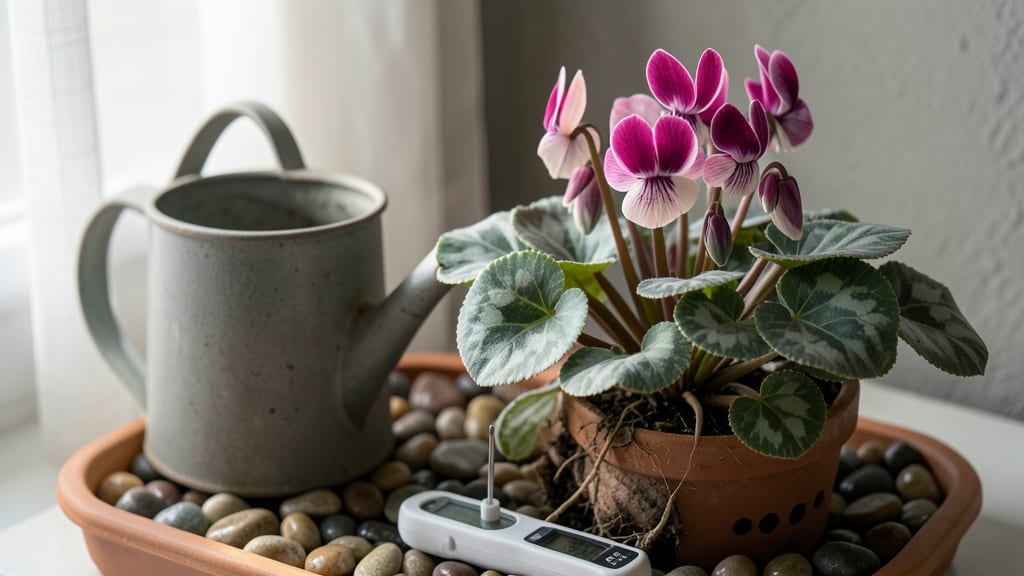
Caring for cyclamens indoors can bloom nonstop when you mimic their cool, shaded forest floor. 🌿 I’ve kept mine flowering for six months straight by adjusting light, water, and temperature—no greenhouse needed. The secret lies in understanding their natural habitat: dappled shade, moist (not soggy) soil, and cool roots. Most people overwater or move them to bright windows, which triggers leaf burn. Cyclamens thrive in 50-65°F temps and moderate humidity, so a north-facing window or grow light works best. Let the top inch of soil dry between waterings, and always use room-temperature water to avoid shocking the roots. You’ll notice new buds forming within 3-4 weeks of proper care, and each bloom lasts 4-6 weeks. The fragrance alone makes it worth the effort—like a whisper of spring in winter. For experienced growers, I’ll share how to revive leggy plants and encourage reblooming.
Start with well-draining potting mix (add perlite or orchid bark if yours drains too slowly). A 6-8 inch pot gives roots room to spread without becoming root-bound. Rotate the plant weekly so all sides get even light, and avoid cold drafts near windows or AC vents.
The payoff is worth it: clusters of 10-15 blooms per stem, with colors from deep red to pure white. Even in winter, your cyclamen will look like it’s basking in its native woodland. Here’s how to keep them thriving through every season.
📚 In This Guide
- What you need
- Instructions
- Tips and common mistakes
- Wrapping up and next steps
What you need
- ● Cyclamen plants: 1-3 plants (depending on desired display size; choose Cyclamen persicum for classic blooms or Cyclamen hederifolium for unique foliage).
- ● Well-draining potting mix: 1 bag (1-2 gallons) of a peat-based or coco-coir blend mixed with 20-30% perlite or orchid bark for aeration.
- ● Pot with drainage holes: 1-2 pots (6-8 inches in diameter per plant; terracotta or ceramic preferred).
- ● Watering can or spray bottle: With a narrow spout to avoid disturbing soil.
- ● Balanced liquid fertilizer: 1 bottle (e.g., 10-10-10 or 20-20-20, diluted to ½ strength).
- ○ Humidity tray or pebble tray: Optional but helpful for maintaining moisture (fill with water + pebbles).
- ● Pruning shears: Small, sharp pair for trimming dead leaves or spent blooms.
- ○ Grow lights (optional): 1-2 LED grow bulbs (5000K-6500K) for 12-14 hours/day if natural light is limited.
- ● Thermometer/hygrometer: To monitor ideal temps (60-70°F) and humidity (50-70%).
- ○ Mulch (optional): A thin layer of orchid bark or sphagnum moss to retain moisture.
Step-by-Step instructions for caring for cyclamens indoors
Here's how I keep my cyclamens blooming beautifully year-round with minimal fuss.
🪴 Step 1: Position for Optimal Light and Temperature
Cyclamens thrive in bright, indirect light—think east-facing windows or a few feet back from a south-facing window. Direct afternoon sun will scorch their delicate leaves, so avoid placing them where the sun beats down intensely. I like to rotate my pots quarter-turn weekly so all sides get even light exposure, which prevents lopsided growth.
Keep temperatures between 60-65°F during the day and slightly cooler at night. A cool basement or garage works well for dormancy, but never let them experience temperatures below 50°F. If your home runs warm, place them on a pebble tray with water to increase humidity—they'll reward you with more blooms.
💧 Step 2: Master the Watering Technique
Water cyclamens from the bottom to prevent crown rot, which is their biggest killer. Place the pot in a saucer filled with 1 inch of water and let it soak up moisture for 15-20 minutes. Remove it immediately after—soggy soil suffocates roots. You'll know it's time to water again when the top ½ inch of soil feels dry to the touch.
Never let water pool in the saucer overnight. Cyclamens hate wet feet, and standing water encourages fungal diseases. I've found that misting the leaves lightly with room-temperature water on hot days helps maintain that perfect moisture balance without overwatering.
☀️ Step 3: Encourage Continuous Blooming
After the first flush of blooms fades, cut spent stems back to the base with clean scissors. Don't worry—this doesn't harm the plant. In fact, it redirects energy to new growth. I always use sharp, sterilized scissors to prevent introducing pathogens. Within 4-6 weeks, you should see fresh buds forming.
Apply a balanced 10-10-10 fertilizer diluted to half strength every 4-6 weeks during the growing season. Too much fertilizer causes salt buildup, which burns roots. I fertilize right after watering to ensure the nutrients get absorbed properly. Stop fertilizing in late summer to prepare the plant for its natural dormancy period.
⏰ Step 4: Manage Dormancy for Long-Term Health
When blooming slows in late summer, reduce watering gradually. Let the top 2 inches of soil dry out completely between waterings, then cut back to just enough to keep the leaves from wilting. Place the pot in a cool, dark spot like a basement or garage where temperatures stay between 50-55°F.
Don't worry if the leaves yellow and drop—this is normal dormancy behavior. Resume regular care in early fall when you see new growth emerge. This 8-10 week dormancy period rejuvenates the plant and ensures spectacular blooms the following season.
Tips & tricks for perfect indoor cyclamen care
Took me years to figure out these little secrets that make all the difference between cyclamens that last all season and ones that fade quickly.
Light Rotation Strategy: The quarter-turn weekly rotation in Step 1 isn't just about even growth—it's about preventing the plant from leaning toward the light source. I've seen cyclamens grow completely lopsided when left in one spot, with all the blooms facing one direction. Use a gentle reminder on your phone to rotate them, or place them on a lazy Susan if you're really committed to keeping them symmetrical.
Temperature Transition Tip: When moving your cyclamens between indoor and outdoor spaces, do it gradually over 3-4 days. Place them in a shaded spot for an hour each day, increasing time outdoors slowly. This mimics natural conditions and prevents shock. I learned this the hard way after moving a pot directly from indoors to bright sunlight and watching the leaves crisp up within hours.
Watering Precision: The 15-20 minute soak time in Step 2 is crucial—it gives the roots enough moisture without drowning them. I always use a timer on my phone to avoid over-soaking. Also, make sure your saucer has drainage holes if you're using one without them. The key is to remove the pot immediately after the soak time to prevent waterlogging, which is the #1 cause of crown rot.
Fertilizer Timing: When applying that half-strength 10-10-10 fertilizer every 4-6 weeks, I've found that early morning applications work best. The plant can absorb nutrients before the heat of the day causes evaporation. And here's a pro move: flush the soil with plain water after fertilizing to prevent salt buildup, which can occur even with diluted fertilizer over time.
Pro Tips for Caring For Cyclamens Indoors
- Took me years to figure out these little secrets that make all the difference between cyclamens that last all season and ones that fade quickly.
- Light Rotation Strategy: The quarter-turn weekly rotation in Step 1 isn't just about even growth—it's about preventing the plant from leaning toward the light source.
- Temperature Transition Tip: When moving your cyclamens between indoor and outdoor spaces, do it gradually over 3-4 days.
Frequently asked questions
Got questions about keeping your cyclamens thriving indoors? You’re not alone! Here are answers to the most common concerns—from blooming tips to troubleshooting—so you can enjoy those stunning flowers all season long.
Why aren’t my cyclamens blooming?
Cyclamens often need a cool environment (ideally 60–65°F) and bright, indirect light to trigger blooms. If they’re in a warm, dark spot, they may focus on leaves instead. Try moving them near a north- or east-facing window and avoid heat sources like radiators. Patience helps too—some varieties bloom for months!
How often should I water my indoor cyclamen?
Water only when the top inch of soil feels dry—overwatering is their #1 enemy! Use room-temperature water and avoid wetting the leaves (which can cause rot). A self-watering pot or saucer with pebbles can help maintain moisture without soggy roots. Pro tip: Let excess water drain completely to prevent root issues.
Can I keep cyclamens indoors year-round?
Yes! With the right care, cyclamens can bloom indoors for 6–9 months. After flowering, let the leaves die back naturally, then reduce watering. In late summer, resume care to encourage a second bloom cycle. If they look tired, consider propagating from offsets or treating them as annuals and replacing them.
What pests should I watch for on indoor cyclamens?
Keep an eye out for spider mites, aphids, or mealybugs, especially in dry conditions. Wipe leaves gently with a damp cloth or spray with neem oil if you spot pests. Isolate affected plants to prevent spread. Prevention tip: Mist leaves occasionally (but avoid overwatering!) to deter mites.
Do cyclamens need a dormant period?
Not strictly, but they benefit from a brief rest after blooming. Once flowers fade, reduce watering and let the foliage yellow naturally. After 4–6 weeks, trim dead leaves and resume normal care. This mimics their natural cycle and often leads to longer, healthier blooms next time.
Wrapping up and next steps
Caring for cyclamens indoors is all about understanding their love for cool air, bright (but indirect) light, and well-draining soil—plus a little patience!
With the right setup, these charming blooms can reward you with vibrant flowers year-round. 🌸 Don’t let a few challenges discourage you; even indoor gardeners can master the art of cyclamen care with consistency and care.
Ready to level up your indoor plant collection? Start by exploring other cool-weather-friendly houseplants or diving deeper into troubleshooting tips if your cyclamen needs a little extra TLC. Happy gardening! 🌱