
Orchid Care
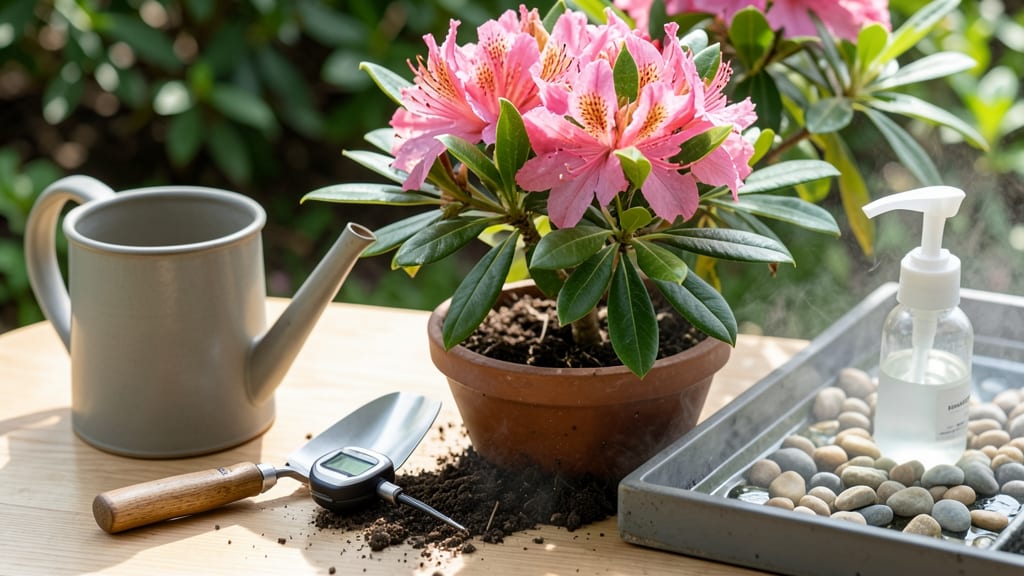
Indoor azaleas reward you with year-round color when you nail their picky care routine—especially pruning. 🌸 I’ve nursed mine through three winters now, and the secret isn’t fancy tools but understanding their finicky balance of light, moisture, and timing.
One wrong move and you’ll end up with leggy stems and sparse blooms; get it right and you’ll have a plant that flowers like clockwork.
The biggest mistake beginners make? Overwatering or letting them dry out completely. Azaleas demand consistently moist (not soggy) soil—think of a damp sponge, not a mud puddle. Pair that with bright, indirect light (no harsh sunburn) and you’re halfway there.
Feed them every 4-6 weeks during growing season with acid-loving fertilizer, and they’ll bloom nonstop from late winter through spring.
Pruning after blooms is where the magic happens—cut back one-third of last year’s growth to encourage fresh, bushy stems. I snip with clean shears and deadhead spent flowers religiously, which keeps my plants compact and bursting with new buds by December.
The result? A plant that looks like a high-end nursery display instead of a sad grocery store pot.
Even experienced growers hit snags—yellow leaves mean too much water, brown tips signal dry air, and no blooms? Probably too much light. But fix those issues and you’ll have a foolproof system for azaleas that outshine every other houseplant in your home. Let’s get those blooms going!
📚 In This Guide
- What you need
- Instructions
- Tips and common mistakes
- Wrapping up and next steps
What you need
- ● Azalea plant: Choose a healthy, well-established indoor azalea (e.g., Rhododendron simsii) from a nursery or garden center.
- ● Well-draining potting mix: 1 gallon of acidic, peat-based mix (pH 4.5–5.5) with perlite or pine bark for aeration.
- ● Pot with drainage holes: A terracotta or plastic container (12–16 inches in diameter) to prevent root rot.
- ● Watering can or spray bottle: For gentle, even moisture—avoid overhead pressure.
- ● Fertilizer: Balanced liquid fertilizer (10-10-10): 1 bottle (8 oz) for general growth.
- ● Acid-loving plant fertilizer (e.g., Azalea/Camellia blend): 1 bottle (8 oz) for blooming.
- ● Pruning shears: Sharp, sterilized shears (for shaping and deadheading).
- ○ Humidity tray or pebble tray: Optional but helpful for maintaining 40–60% humidity.
- ● Grow lights: Full-spectrum LED (15W–20W) for low-light conditions.
- ● Soil pH tester: To monitor acidity levels (aim for 4.5–5.5).
- ● Mulch (pine bark or sphagnum moss): 1–2 inches to retain moisture and acidity.
- ● Insecticidal soap or neem oil: For pest control (e.g., spider mites, aphids).
- ● Plant food (slow-release granules): 1 packet for seasonal feeding.
Instructions for year-round indoor azalea care
Here’s how I keep my azaleas blooming beautifully indoors—no guesswork, just consistent care.
💧 Step 1: Master the Watering Routine
Azaleas thrive when kept consistently moist but never soggy. Water when the top inch of soil feels dry—stick your finger in to check. I use room-temperature water to avoid shocking the roots, and I always water until it drains freely from the bottom. Empty the saucer after 10 minutes to prevent root rot.
This plant loves humidity too. If your home feels dry, set the pot on a tray filled with pebbles and water—just make sure the pot isn’t sitting directly in the water. You’ll notice the leaves stay perky and vibrant when the humidity is right.
☀️ Step 2: Position for Bright, Indirect Light
Azaleas need bright, indirect light for at least 6 hours daily. A north- or east-facing window works best, but avoid harsh afternoon sun, which can scorch the leaves. If your home has low light, supplement with a grow light for 4-6 hours a day.
Watch for signs of too little light—leggy growth or sparse blooms—and adjust as needed. I rotate my pot a quarter turn weekly so all sides get even exposure. When the light is right, you’ll see lush, compact foliage and abundant flowers.
✂️ Step 3: Prune for Health and Shape
Prune right after flowering to encourage new growth. Use clean, sharp shears to trim back leggy stems to just above a leaf node. I never cut more than a third of the plant at once—this keeps it strong and prevents stress. Remove any dead or yellowing leaves immediately to redirect energy to new blooms.
Shape the plant by pinching back the tips of new growth in late spring. This encourages bushier growth and more flowers next season. Just be gentle—azaleas are delicate, and over-pruning can stunt them.
🌿 Step 4: Feed for Continuous Blooms
Use an acid-loving plant fertilizer every 4-6 weeks during spring and summer. I switch to a half-strength dose in fall to avoid burning the roots. Azaleas love acidic soil, so a monthly application of diluted vinegar (1 tablespoon per gallon of water) keeps the pH balanced.
Stop fertilizing in late fall to let the plant rest. You’ll see the difference in next year’s blooms—richer colors and fuller clusters when the plant gets the right nutrients at the right time.
⏰ Step 5: Monitor for Pests and Adjust Seasonally
Check the undersides of leaves weekly for spider mites or aphids. Wipe them off with a damp cloth or spray with neem oil if needed. I keep my azaleas isolated during treatments to avoid spreading pests to other plants.
In winter, reduce watering slightly since growth slows. If the air is very dry, mist the leaves occasionally—but avoid overdoing it, as azaleas prefer humidity over soggy conditions. A happy azalea stays blooming year after year with just a little seasonal attention.
Tips & tricks for perfect indoor azalea care
Took me years to perfect these simple tricks—your azaleas will thank you with blooms that last all year.
Soil Check Matters: The top inch test is key, but I've found azaleas actually prefer slightly drier conditions than most houseplants. After watering, let the top inch dry out completely before watering again—this prevents root rot while keeping the soil moist enough. I use a moisture meter for accuracy, especially in winter when growth slows. The 10-minute drainage rule is non-negotiable—soggy roots equal trouble ahead.
Light Rotation Secret: That weekly quarter-turn rotation makes all the difference for even growth. I set a reminder on my phone because I tend to forget! If you notice one side growing faster, that's your plant telling you it needs more even light. For low-light situations, I supplement with a simple LED grow light for those critical 4-6 hours—it's the difference between sparse blooms and a lush display.
Pruning Precision: When you're trimming back leggy stems in Step 3, always cut just above a leaf node where new growth will emerge. I mark the nodes with a pencil first to visualize where to cut. For shaping, pinch back tips when you see new growth starting—this creates bushier plants. Remember, azaleas are delicate, so never remove more than a third of the plant at once. This rule keeps them strong for next season's blooms.
Fertilizer Timing: The 4-6 week schedule during spring/summer is perfect, but I've learned to adjust for different azalea varieties. For example, evergreen azaleas might need more frequent feeding than deciduous types. That monthly vinegar application is a game-changer—just be consistent with the 1 tablespoon per gallon ratio. In fall, I cut back to half-strength fertilizer and stop completely in late fall to let the plant rest properly.
Pro Tips for Care Of Indoor Azaleas
- Took me years to perfect these simple tricks—your azaleas will thank you with blooms that last all year.
- Soil Check Matters: The top inch test is key, but I've found azaleas actually prefer slightly drier conditions than m...
- Light Rotation Secret: That weekly quarter-turn rotation makes all the difference for even growth. I set a reminder o...
Frequently asked questions
Got questions about keeping your indoor azaleas thriving? Here are answers to the most common concerns—so you can enjoy those vibrant blooms all year long!
Why aren’t my indoor azaleas blooming?
Azaleas need cool nights (below 60°F) and bright, indirect light to trigger blooms. If your home stays too warm (like near a heater), they may skip flowering. Try moving them near a north- or east-facing window and mimic seasonal changes with a 4–6 week cool period (50–55°F) in late fall.
How often should I water my indoor azalea?
Water when the top inch of soil feels dry—usually every 5–7 days, but adjust for humidity. Azaleas hate soggy roots, so use a pot with drainage holes and empty the saucer after watering. Mulch the soil with sphagnum moss to retain moisture and mimic their acidic forest habitat.
Can I prune my azalea after it blooms?
Yes! Prune right after flowering to shape the plant and encourage next year’s blooms. Cut back dead or leggy stems to just above a leaf bud (use clean, sharp shears). Avoid heavy pruning—azaleas bloom on old wood, so don’t trim more than ⅓ of the plant at once.
What pests should I watch for on indoor azaleas?
Common culprits include spider mites (tiny webs), scale insects (bumpy brown spots), and mealyworms (fluffy white clusters). Isolate the plant, wipe leaves with neem oil or insecticidal soap, and repeat every 5–7 days. Increase humidity to deter mites!
Are there low-maintenance alternatives to indoor azaleas?
If azaleas seem fussy, try gardenia (fragrant but slower-growing), camellia (tolerates shade), or orchids (easy bloomers). For color without fuss, calathea or peperomia offer lush foliage with minimal pruning. Just match your home’s light and humidity!
Wrapping up and next steps
Caring for indoor azaleas is all about patience, precision, and a little love—but the rewards are stunning year-round blooms that brighten your space! 🌸 By mastering pruning, light balance, and soil health, you’ll transform these finicky plants into thriving companions.
Remember, small adjustments go a long way, so don’t hesitate to tweak your routine based on their responses.
Ready to level up your indoor garden? Start by experimenting with a single plant—track its progress, refine your techniques, and soon, you’ll be the proud parent of a lush, blooming azalea jungle! 🌿✨