
Vegetables
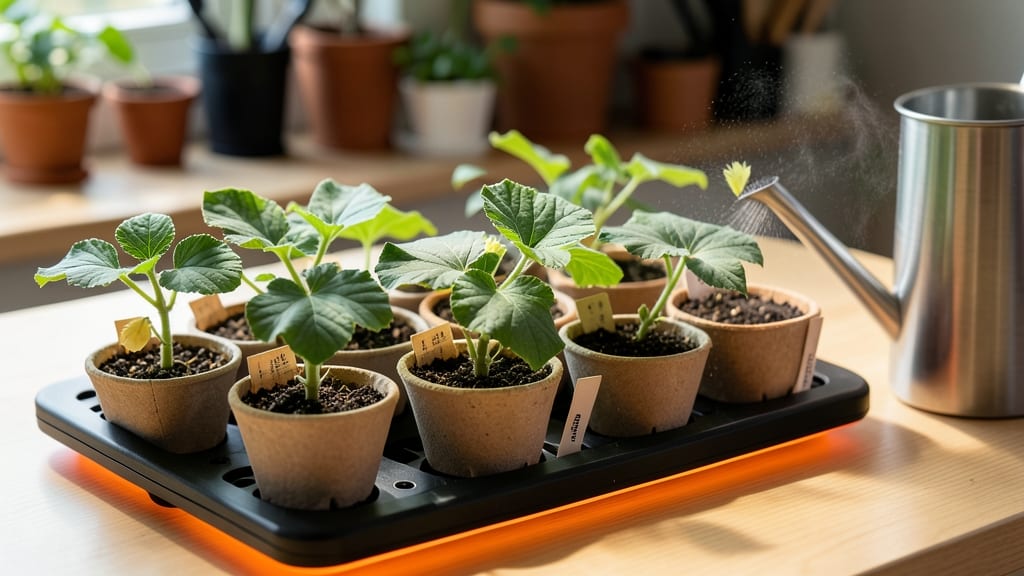
Starting squash indoors is possible, but only for bush varieties like zucchini or pattypan—vining types (e.g., butternut) suffer from transplant shock. Begin seeds 2–3 weeks before last frost using biodegradable pots and bright grow lights to prevent leggy seedlings. Harden off for 7–10 days before transferring outdoors when soil reaches 60°F+.
Indoor squash starting is a game-changer for gardeners in cooler climates, but it requires careful planning. 🌱 The key is mimicking outdoor conditions—warm soil (70°F+) and consistent moisture—while avoiding overcrowding in small pots.
I’ve found that bush varieties adapt better because their compact roots handle transplanting more gracefully than sprawling vining types. For best results, use seed-starting mix with perlite to improve drainage, and keep seedlings under 12–16 hours of light daily to prevent weak stems.
Once seedlings sprout, maintain soil moisture without oversaturating—squash roots need oxygen to thrive. 💫 A gentle watering schedule (every 2–3 days) with a spray bottle keeps the soil evenly damp. When true leaves appear, switch to a balanced fertilizer (10-10-10) diluted to half-strength to encourage sturdy growth before transplanting.
The goal is to create hardy seedlings that can handle the shock of moving outdoors.
💡 In This Article
- Why Squash Seedlings Need Specialized Indoor Care
- Step-by-Step Indoor Squash Starting Guide for Beginners
Why squash seedlings need specialized indoor care
Squash seedlings are delicate because their stems contain high levels of water—up to 90% moisture content—making them prone to snapping under stress. 🌱 Unlike hardier plants like tomatoes, squash roots develop shallowly at first, spreading just 1-2 inches deep before branching outward.
This shallow system means they’re highly sensitive to temperature swings, which can cause root stunting or even rot if soil stays too cool (55°F or below). The real challenge?
Transplant shock: when moved outdoors, vining varieties like butternut develop extensive root networks that get damaged during transfer, while bush types (zucchini, pattypan) handle disruption better due to their compact growth habit.
Light requirements are another critical factor. Squash seedlings need 12-16 hours of bright light daily to prevent "leggy" growth—those stretched, weak stems that collapse under their own weight.
Without sufficient light, seedlings produce long, thin stems with sparse leaves, making them vulnerable to pests and disease. 💫 Natural sunlight works, but most windows provide only 4-6 hours of direct light—grow lights (full-spectrum LEDs) bridge the gap by delivering consistent intensity.
The ideal light distance is 2-3 inches above seedlings, adjusted as they grow to maintain even exposure.
Temperature control is equally vital. Germination requires soil at 70-85°F, while established seedlings thrive at 65-75°F during the day and 60°F at night. Fluctuations outside this range slow growth or trigger stress responses. 🔥 For example, dropping below 50°F can halt root development entirely.
This is why indoor starts give seedlings a head start—they avoid early-season cold snaps that would stall growth outdoors. The key is maintaining stability: a heat mat (75°F) under seed trays during germination, then consistent room temperature afterward.
Transplant shock occurs when seedlings experience abrupt environmental changes. Vining squash varieties suffer most because their roots are deeply intertwined with soil microbes, which get disrupted during transfer. 💫 Bush types recover faster because their roots are more localized.
To minimize stress, use biodegradable pots that allow roots to continue growing through the container walls, reducing trauma when planting out. Even with careful handling, expect a 3-5 day adjustment period as seedlings re-establish their root systems in the garden.
Soil composition plays a hidden but crucial role. Squash seedlings need well-draining mix with 50-60% organic matter (peat moss or coco coir) to prevent waterlogging, which causes rot. 🌟 Adding perlite or vermiculite improves aeration, while a balanced starter fertilizer (5-10-5) provides essential nutrients without overwhelming young roots.
The goal is to create an environment where seedlings focus on root and stem development rather than fighting for resources—a critical step before they face the rigors of outdoor growing.