
Container Gardens
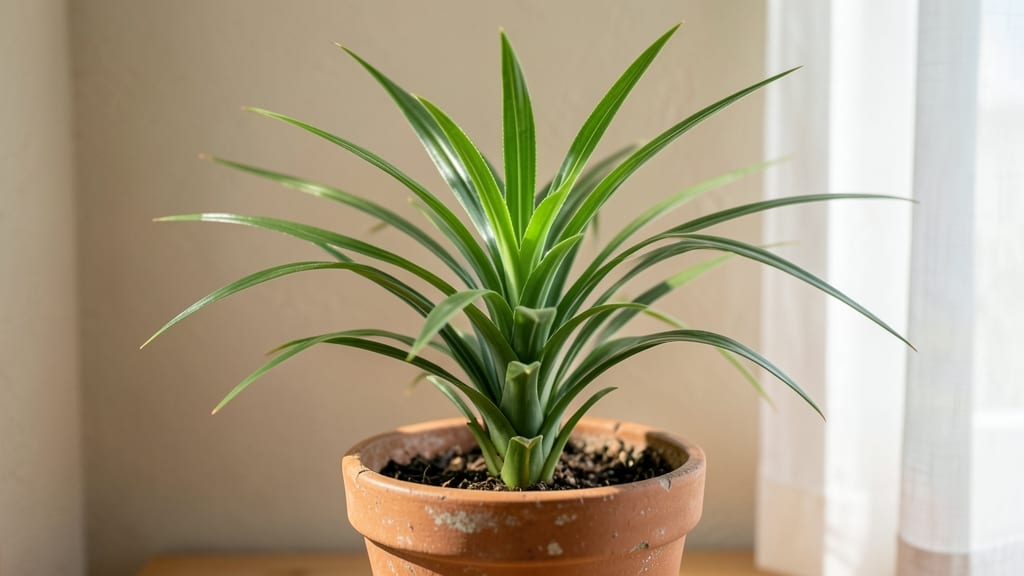
Yes, lemon grass can grow indoors with bright, indirect sunlight, well-draining potting mix, and a shallow pot at least 12 inches wide. Keep soil consistently moist and maintain temperatures above 60°F for best results, though it thrives best in warm climates.
Growing lemon grass indoors is totally doable if you mimic its natural tropical environment. 🌱 The key is replicating the conditions it loves—think of it as creating a mini greenhouse on your windowsill.
Lemon grass needs plenty of light to stay vibrant, so a south- or west-facing window is ideal, but grow lights work too if natural light is limited. The right soil mix is crucial: too much clay can drown the roots, while sandy loam or coco coir blends help prevent waterlogging.
I’ve found that keeping the soil just slightly damp (not soggy) and avoiding drafts keeps my plants thriving year-round.
One thing that surprises people is how temperature-sensitive lemon grass can be. While it tolerates 60°F indoors, it really comes alive in 75-85°F ranges—similar to what you’d find in its native Southeast Asia.
If your home runs cooler, consider using a humidity tray or occasional misting to prevent the leaves from turning brown. And don’t forget: lemon grass grows from the base, so harvesting the stalks encourages new growth, making it a rewarding plant to maintain.
💡 In This Article
- Optimal Light, Temperature, and Humidity for Indoor Lemon Grass
- Step-by-Step Guide to Planting and Caring for Lemon Grass Pots
Optimal light, temperature, and humidity for indoor lemon grass
Lemon grass thrives indoors because it’s a tropical plant that relies on photosynthesis to convert light into energy. The key is providing bright, indirect sunlight—think of it like mimicking the dappled light found under a rainforest canopy.
Direct sun can scorch the leaves, while too little light causes the stalks to grow weak and leggy.
A south- or west-facing window typically delivers the ideal 12-16 hours of light per day, but if your space lacks natural light, a full-spectrum LED grow light (around 2,000-4,000 lux) can compensate. 🌿
The plant’s leaves contain chlorophyll that absorbs light primarily in the blue (400-500 nm) and red (600-700 nm) wavelengths, which is why green light doesn’t contribute much to growth. Without enough light, the leaves lose their vibrant green color and start turning yellow—a clear sign the plant is struggling.
Temperature also plays a critical role: lemon grass roots prefer 75-85°F for optimal growth, but they can tolerate down to 60°F if humidity is maintained. Below 55°F, growth slows dramatically, and the plant may go dormant.
Humidity is another game-changer for indoor lemon grass. In its native Southeast Asia, the air stays consistently moist, but dry indoor air (common in homes with heating/AC) causes the leaf tips to brown and crisp.
Aim for 50-70% humidity by using a humidity tray, pebble tray with water, or a small indoor humidifier. You’ll notice a difference within days—the leaves stay plump and green instead of wilting.
If your home is particularly dry, misting the leaves lightly in the morning can help, though avoid overdoing it to prevent fungal issues. 💧
One common indoor challenge is leaf browning, which usually stems from either underwatering or overwatering. Lemon grass prefers soil that stays consistently moist but not soggy—think of a wrung-out sponge.
The roots need oxygen to absorb nutrients, so well-draining soil (like a mix of potting soil and perlite) is essential. If the soil stays too wet, the roots suffocate and rot, while too-dry conditions cause the leaves to curl and brown at the edges.
A simple finger test works: stick your finger 1-2 inches into the soil—if it feels dry, it’s time to water.
For those in cooler climates, consider placing your lemon grass pot on a heat mat (set to 75°F) during winter to maintain root warmth. This mimics the ground heat found in tropical regions and encourages steady growth.
You’ll also want to avoid placing the plant near drafts, such as open windows in winter or air conditioning vents, as sudden temperature swings stress the plant. A consistent environment—warm, humid, and well-lit—keeps lemon grass happy and productive year-round. 🌡️
Here’s a quick troubleshooting guide for common issues:
- Yellow leaves: Usually indicates overwatering or poor drainage.
- Brown leaf tips: Likely a sign of low humidity or underwatering.
- Leggy growth: The plant isn’t getting enough light—move it closer to a window or add a grow light.
- Slow growth: Check soil moisture and temperature; roots may need warmth or nutrients.
With the right conditions, your indoor lemon grass can grow just as tall and flavorful as its outdoor counterparts—sometimes reaching 3-4 feet with proper care! 🌟