
Container Gardens
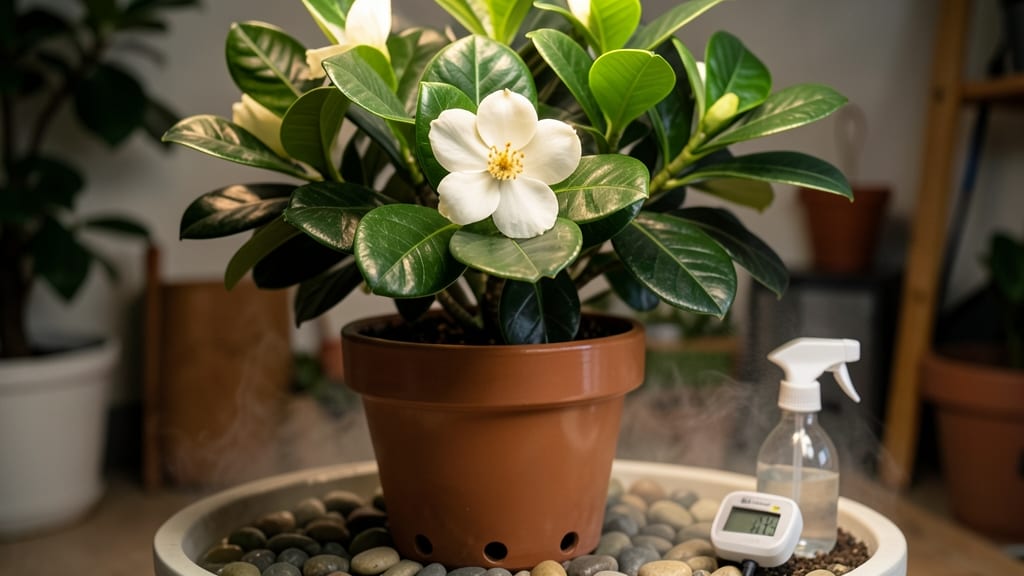
Yes, gardenias can be grown indoors with the right conditions: bright, indirect light for 6+ hours daily, high humidity (60%+), and temperatures between 65–75°F. Prune regularly to encourage blooming and use acidic fertilizer monthly for optimal fragrance and health.
Growing gardenias indoors is absolutely doable, but they're picky about their environment. 🌿 These tropical beauties thrive when you mimic their natural habitat—think lush, shaded forests with consistent moisture.
The key is balancing light exposure; too much direct sun scorches their leaves, while insufficient light leads to weak stems and fewer blooms.
I've found that placing them near an east-facing window or using a grow light for 12 hours daily works wonders for maintaining their vibrant green foliage and sweet fragrance.
Don't overlook the importance of humidity—gardenias hate dry air, which causes those iconic dark green leaves to develop brown edges. A simple pebble tray with water beneath the pot or a small humidifier nearby can work miracles.
And here's a pro tip: these plants love to be slightly root-bound, so only repot every 2-3 years to prevent overwatering issues.
💡 In This Article
- Indoor Lighting Requirements for Thriving Gardenias
- Humidity and Temperature Hacks for Potted Gardenias
Indoor lighting requirements for thriving gardenias
Gardenias are native to tropical forests where they receive dappled sunlight—bright but filtered through dense canopies. This means their leaves are adapted to 10,000-15,000 lux of indirect light, similar to what you'd find 3-6 feet from a south-facing window.
The magic happens in the chloroplasts: these cells contain chlorophyll that absorbs blue (400-500nm) and red (600-700nm) light wavelengths most efficiently for photosynthesis. Without enough of these wavelengths, the plant struggles to produce energy, leading to weak stems and poor blooming.
Artificial grow lights can be a game-changer when natural light falls short. LED grow lights with a 6500K color temperature (cool white) provide the right spectrum, and placing them 12-18 inches above the plant for 12-14 hours daily mimics the long daylight periods gardenias prefer.
I've seen dramatic improvements when using a full-spectrum LED bulb (like the Philips TLD 36W) that includes red and blue wavelengths—within 4-6 weeks, the leaves go from dull green to vibrant, and buds start forming. The key is consistency; sudden light changes stress the plant.
Watch for these telltale signs of light deficiency: leaves turning yellow between the veins (a classic sign of chlorophyll breakdown), stems stretching unnaturally toward light sources (etiolation), or buds forming but failing to open.
These issues often appear when gardenias get less than 4 hours of light daily. 🌿 What most people don't realize is that gardenias can actually handle more light than they're given credit for—just not direct midday sun, which burns their tender leaves.
A sheer curtain over a west-facing window can diffuse harsh afternoon rays while still providing plenty of brightness.
Seasonal adjustments are crucial too. During winter months when daylight hours shrink, supplement with grow lights or rotate your plant every 2-3 days to ensure even exposure. I've found that placing the plant on a slow-turning plant stand (about 1/8 turn per day) helps prevent lopsided growth.
The goal is to keep the light intensity consistent across all leaves, which maximizes photosynthesis and ensures those signature white blooms appear symmetrically.
Pro tip: If you're using a window as your primary light source, clean it regularly—dust and grime can reduce light transmission by up to 30%. Wipe the glass with a vinegar-water solution (1:1 ratio) monthly to maintain optimal brightness.
And here's a sensory trick: when the gardenia's leaves feel cool to the touch (not warm like they would in direct sun), you're in the ideal indirect light zone.
Remember that gardenias are heavy bloomers, and each flower requires significant energy. When they're getting the right light, you'll notice the new growth at the tips of branches is a rich, deep green—almost glossy—and the buds develop a slight pink tint before opening to their signature creamy white.
This visual cue tells you the plant is happy and ready to reward you with that intoxicating fragrance.