
Planting
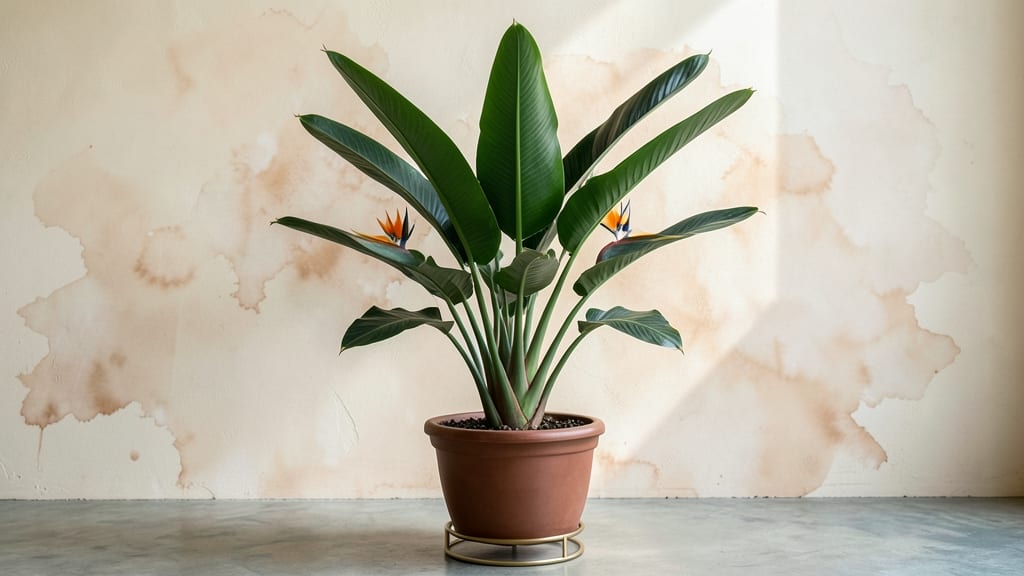
Growing a birds of paradise plant indoors starts with one simple truth: this tropical stunner can thrive in your home with the right light, water, and a little patience. 🌿 I’ve watched mine go from a leggy, sad sapling to a bold statement plant—all by tweaking just a few things most people overlook.
The key is bright, indirect light—think east-facing windows or a few feet back from a south window. Let the top inch of soil dry out between waterings, and use a well-draining mix to avoid soggy roots.
Overwatering is the #1 killer, but underwatering causes those crispy brown tips you hate. Humidity helps too—mist the leaves or place the pot on a pebble tray if your home feels dry.
What you’ll end up with is a plant that blooms reliably (yes, even indoors!) and adds that showstopping drama to any room. The orange and blue blooms look like a tropical getaway, and the large leaves make it a conversation starter.
It’s not as high-maintenance as it seems—just a few adjustments to mimic its natural habitat. For winter, cut back on watering since growth slows. If your plant stretches too tall (leggy growth), rotate it weekly to encourage even light exposure.
With these tweaks, your birds of paradise will stay lush and vibrant year-round.
📚 In This Guide
- What you need
- Instructions
- Tips and common mistakes
- Wrapping up and next steps
What you need
- ● Birds of Paradise Plant: A healthy Strelitzia nicolai (ensure it’s potted and free of pests).
- ● Pot: A container 2–4 inches larger in diameter than the current pot, with drainage holes (ceramic or terracotta preferred).
- ● Well-Draining Potting Mix: 50% peat-based or coconut coir mix (for moisture retention).
- ● 30% perlite or pumice (for aeration).
- ● 20% orchid bark or coarse sand (for drainage).
- ○ Gravel or Decorative Stones: 1–2 inches of pebbles for the pot’s base (optional but helps with drainage).
- ● Pruning Shears: Clean, sharp shears for trimming (if needed).
- ● Misting Bottle or Watering Can: With a fine rose attachment for gentle watering.
- ● Humidity Tray: A pebble tray or humidifier to boost moisture levels.
- ● Slow-Release Fertilizer: A balanced 10-10-10 or orchid fertilizer for a nutrient boost.
- ● Grow Lights: LED full-spectrum bulbs (if natural light is below 1,000 lumens/ft²).
- ● Plant Food: Liquid fertilizer (e.g., diluted fish emulsion) for occasional feeding.
- ● Decorative Accents: Tropical-themed pots, moss, or ferns to enhance the vibe!
How to grow a stunning birds of paradise plant indoors
With the right care, this showstopper thrives indoors—here’s how to coax its signature drama to life.
🪴 Step 1: Choose the Right Pot and Soil Mix
Start with a 12-14 inch diameter pot to accommodate its deep roots—this plant hates being root-bound. I opt for terracotta because it breathes, preventing soggy roots that lead to rot. Add a 2-3 inch drainage layer of gravel or perlite at the bottom to ensure excess water escapes.
Use a well-draining potting mix—I blend equal parts peat moss, perlite, and coarse sand for aeration. The mix should feel light and crumbly, not dense. If you’re repotting an existing plant, gently loosen the roots before placing it in the new container. This ensures they don’t circle the pot, which stunts growth.
☀️ Step 2: Position for Low-Light Success
Birds of paradise tolerate low to bright indirect light, but they’ll reward you with vibrant foliage and occasional blooms if you place them near a north or east-facing window. Avoid harsh afternoon sun—it scorches the leaves. If your space is dimmer, supplement with a grow light placed 12-18 inches away for 12-14 hours daily.
Rotate the pot quarter-turn weekly so the plant grows evenly. You’ll notice leaves leaning toward the light? That’s your cue to adjust the position. The goal is consistent, even exposure—no sudden shifts that stress the plant.
💧 Step 3: Master Watering for Indoor Thriving
Water deeply once every 1-2 weeks, letting the top 2-3 inches of soil dry out between sessions. Stick your finger in—if it feels dry to the touch, it’s time. Overwatering is the #1 killer, so I always check the pot’s weight: a dry pot feels noticeably lighter. Drain excess water from the saucer 10 minutes after watering to prevent root rot.
Mist the leaves monthly to mimic humidity, especially in dry climates. You’ll see the foliage perk up instantly—this plant loves moisture in the air. In winter, when indoor air is drier, increase misting to every 2 weeks. Yellowing leaves? That’s often a sign of overwatering or poor drainage.
✂️ Step 4: Fertilize and Prune for Bold Growth
Feed with a balanced liquid fertilizer (10-10-10) every 4-6 weeks during spring and summer. Cut the dose in half for winter—this plant slows down when days shorten. I always fertilize after watering to avoid root burn. Look for dark green, glossy leaves—that’s your sign the plant is happy and feeding well.
Prune yellow or damaged leaves at the base with clean, sharp scissors. If the plant gets leggy, trim back overgrown stems by one-third to encourage bushier growth. The key is to never cut more than 25% at once—this prevents shock. After pruning, wipe the leaves with a damp cloth to remove dust, which helps them absorb light better.
🌱 Step 5: Encourage Blooms (If You’re Lucky!)
Birds of paradise bloom indoors rarely, but you can tilt the odds by providing bright indirect light and consistent care. If you spot a flower stalk emerging, do not move the plant—even a slight shift can cause buds to drop. Keep the soil evenly moist (not soggy) during this time. A mature plant may produce one or two blooms per year, but the foliage alone is a statement.
After blooming, the stalk will die back naturally. You can trim it at the base once it turns brown. This redirects the plant’s energy into new growth and lush leaves, which is where this beauty truly shines. Patience is key—indoor specimens often take 3-5 years to mature enough for blooms, but the journey is worth it.
Tips & tricks for perfect indoor birds of paradise care
Here's what nobody tells you about keeping this tropical stunner thriving indoors—these tricks make all the difference.
Pot Selection Wisdom: That 12-14 inch pot size matters more than you think. If you're working with a smaller space, choose a slightly larger pot (up to 16 inches) to prevent root-bound stress. I've seen plants in undersized pots develop stunted growth—give those roots room to breathe! For terracotta, consider adding a saucer with pebbles and water underneath to increase humidity without overwatering.
Light Positioning Strategy: When placing your grow light 12-18 inches away, position it slightly above the plant's height to mimic natural sunlight angles. I've noticed plants grow more upright when the light source is elevated. If your space is very dim, try a combination of natural light and grow light—even 6 hours of grow light can make a difference in leaf vibrancy.
Watering Technique: The 10-minute drainage rule is non-negotiable, but here's a pro move: after draining, return the pot to its saucer for just 5 minutes to let the roots absorb any residual moisture. This prevents the sudden dryness that can shock the plant. In winter, when indoor air is dry, I reduce watering to every 2-3 weeks and increase misting frequency—this balance prevents both overwatering and dehydration.
Fertilizer Timing: That 4-6 week spring/summer schedule works perfectly, but here's my secret: I always fertilize on a cloudy day or in the evening when the sun is less intense. This prevents leaf burn from the fertilizer. For winter, I completely skip fertilization unless I notice new growth starting—this plant's natural slowdown means it doesn't need the nutrients during dormancy.
Pro Tips for Birds Of Paradise Plant Indoor
- Here's what nobody tells you about keeping this tropical stunner thriving indoors—these tricks make all the difference.
- Pot Selection Wisdom: That 12-14 inch pot size matters more than you think.
- Light Positioning Strategy: When placing your grow light 12-18 inches away, position it slightly above the plant's height to mimic natural sunlight angles.
Frequently asked questions
Got questions about keeping your Birds of Paradise plant thriving indoors? You’re not alone!
Here are the most common queries—plus expert tips to keep your tropical beauty happy in low-light spaces.
How much light does an indoor Birds of Paradise plant actually need?
While they love bright, indirect light, these plants are surprisingly adaptable! Place yours near an east-facing window or 2–3 feet from a south/west window. If leaves yellow or stretch (etiolation), supplement with a grow light (12–14 hours/day). Pro tip: Rotate the pot monthly for even growth!
Can Birds of Paradise survive winter indoors?
They’re not frost-sensitive but prefer consistent temps (60–80°F). Keep them away from drafty windows or heating vents—cold drafts cause leaf drop. If humidity drops below 40%, mist leaves or use a pebble tray to mimic their tropical home.
How often should I water my indoor Birds of Paradise?
Water when the top 2–3 inches of soil are dry (stick your finger in to check!). Overwatering is the #1 killer—these plants hate soggy roots. Reduce watering in winter (growth slows) and ensure pots have drainage holes. Fun fact: Their thick stems store water, so they’re drought-tolerant once established!
Why aren’t my Birds of Paradise blooming indoors?
Patience is key—indoor blooms can take 3–5 years! To encourage flowers, provide bright light, regular feeding (balanced fertilizer every 2–3 months), and mature size (3+ feet tall). No flowers yet? Focus on optimal care first—stress (like sudden temp changes) delays blooming.
What’s the best alternative if my space is too low-light?
If your home lacks natural light, consider these low-light tropical pals:
- ZZ Plant (Zamioculcas zamiifolia): Nearly indestructible, thrives in dim corners.
- Snake Plant (Sansevieria): Purifies air and tolerates neglect.
- Cast Iron Plant (Aspidistra elatior): A classic for shady spots.
For Birds of Paradise, a grow light (LED or fluorescent) is your best bet to keep it vibrant!
My leaves are turning yellow—what’s wrong?
Yellow leaves usually signal overwatering or nutrient deficiency. Check soil moisture first—if soggy, let it dry out. Feed with a balanced liquid fertilizer (20-20-20) every 4–6 weeks in spring/summer. Lower leaves yellowing? That’s natural aging—trim them to redirect energy!
Wrapping up and next steps
Bringing the Birds of Paradise plant indoors isn’t just about adding a splash of tropical drama—it’s about embracing low-light resilience and vibrant growth. With the right care, this stunning plant can thrive in your home, rewarding you with strelitzia-worthy beauty year-round. 🌿✨
Ready to transform your space? Start by selecting the perfect spot, gathering your supplies, and following the steps to nurture your plant like a pro. Your next step? Pick up that potting mix, find your brightest (but indirect) corner, and get growing—your indoor jungle awaits! 🌱