
Container Gardens
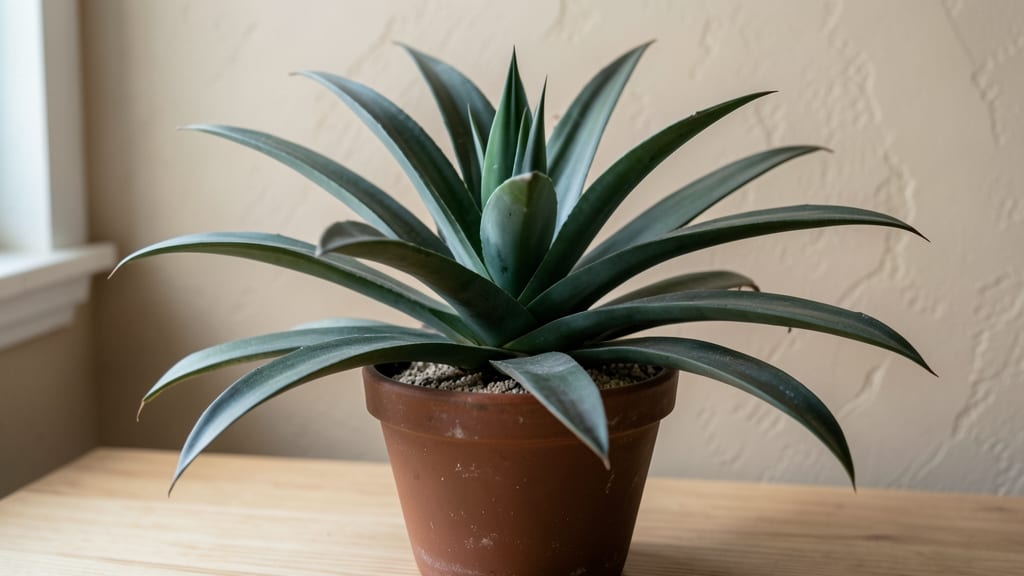
Growing agave attenuata indoors lets you keep its striking sword-shaped leaves year-round without needing a desert climate. 🌱 The key is mimicking its natural dry, shady forest understory—bright indirect light, infrequent watering, and a gritty soil mix that drains like a dream.
Most people overwater this agave, thinking it needs more moisture than it actually does. Let the soil dry completely between waterings, and you'll avoid the mushy roots that signal trouble. A well-draining pot with drainage holes is non-negotiable—this plant hates soggy feet.
You'll end up with a slow-growing, architectural centerpiece that stays compact indoors. The leaves stay vibrant green, the rosette tightens over time, and it rarely outgrows its container. Perfect for sun-starved corners or as a statement piece in modern interiors. Here's the thing—this agave thrives in spaces others avoid.
North-facing windows, offices with fluorescent lighting, even bathrooms with occasional humidity spikes work just fine. Just keep it dry and it'll reward you with that coveted desert look indoors.
📚 In This Guide
- What you need
- Instructions
- Tips and common mistakes
- Wrapping up and next steps
What you need
- ● Pot: A terracotta or ceramic pot (6–12 inches in diameter) with drainage holes. Pro tip: 💡 Choose one slightly larger than the root ball to allow for growth.
- ○ Well-draining soil: A cactus/succulent mix (3 parts) + perlite or pumice (1 part) for aeration. Optional: Add orchid bark (1 part) for extra texture.
- ● Agave attenuata plant: A healthy mature or young specimen (3–12 inches tall) from a nursery or reputable seller.
- ● Gloves: Wear gardening gloves to protect your hands from sharp leaves.
- ● Trowel: A small hand trowel for repotting or soil adjustments.
- ● Watering can: A spray bottle or small can with a narrow spout for precise watering.
- ○ Peat moss or coconut coir: Optional for improving soil moisture retention.
- ● Fertilizer: A balanced, diluted succulent fertilizer (e.g., 5-5-5 or 10-10-10) for occasional feeding.
- ○ Grow lights (optional): A LED grow light (12–15W) for supplementing low-light conditions.
- ● A bright, indirect-light spot (e.g., near a north- or east-facing window). ⚠️ Avoid direct sun!
- ● A warm, stable environment (60–80°F / 15–27°C).
- ● Patience! Agave attenuata grows slowly—enjoy the journey! ✨
Step-by-Step guide to growing agave attenuata indoors
Here's how to keep this elegant succulent thriving with minimal fuss—even in lower-light spaces.
🪴 Step 1: Select the Right Pot and Soil Mix
Agave attenuata needs a pot with drainage holes to prevent root rot, which is the #1 killer of indoor agaves. I recommend a 6-8 inch diameter pot made of terracotta—it breathes better than plastic and helps regulate moisture. The soil should be a fast-draining cactus/succulent mix (never regular potting soil). Mix in 20% perlite or pumice to improve aeration; this prevents the dense, fibrous roots from sitting in soggy soil.
Fill the pot 1/3 full with your mix, then tap it gently on the table to settle the soil without compacting it. The goal is a loose, airy medium that lets water drain quickly but still holds enough moisture for the roots to access. Agave attenuata stores water in its leaves, so it prefers drier conditions than most houseplants.
☀️ Step 2: Position for Indirect Light and Warmth
This is where agave attenuata shines—it tolerates lower light levels than other agaves, but it still needs bright, indirect light to maintain its iconic sword-shaped leaves. Place it near an east-facing window or 6-10 feet from a south-facing window. If your space is dimmer, supplement with a grow light for 6-8 hours daily—just keep it 12-18 inches away to avoid leaf scorch.
Ideal temperatures run 65-80°F, but it can handle occasional dips to 50°F if not prolonged. Avoid cold drafts from windows or AC vents, which cause leaf discoloration. You’ll know the light is right when the leaves stay deep green and the rosette grows compact and upright—never stretching or leaning.
💧 Step 3: Water Sparingly and Only When Necessary
Overwatering is the fastest way to kill agave attenuata. Stick your finger 1-2 inches into the soil—if it feels dry, it’s time to water. Water deeply but infrequently: soak the soil until water runs out the drainage holes, then empty the saucer. Wait until the top 3-4 inches of soil are completely dry before watering again. In winter, you might only water every 4-6 weeks; in summer, every 2-3 weeks.
When in doubt, underwater. The thick leaves store moisture, so agave attenuata can handle short dry spells better than soggy conditions. Yellowing leaves or a mushy base? You’ve watered too much. Brown, crispy tips? It’s thirsty—but only after the soil has dried out completely.
✂️ Step 4: Prune and Clean for Long-Term Health
Agave attenuata rarely needs pruning, but you’ll want to remove dead or damaged leaves with sterilized pruning shears to prevent rot. Cut at the base of the leaf where it meets the rosette. If a leaf turns yellow or brown, snip it off immediately—don’t wait for it to wither completely. Wipe the leaves monthly with a damp cloth to remove dust, which blocks light absorption and encourages pests.
This plant grows slowly, so you won’t need to repot often. Only move it up 1-2 pot sizes every 2-3 years if roots are circling the bottom. When repotting, trim any dead roots and refresh the soil mix—agave attenuata performs best when slightly root-bound, so don’t go too large.
🌱 Step 5: Watch for Pests and Act Quickly
Agave attenuata is relatively pest-resistant, but mealybugs and scale can still appear if the air is too humid. Inspect the leaf undersides and rosette center weekly for cottony white clusters or small brown bumps. At the first sign, dab with 70% isopropyl alcohol on a cotton swab or spray with neem oil (mix 1 tsp neem oil + 1 tsp mild soap + 1 quart water). Repeat every 3-5 days until pests vanish.
If you notice sticky residue on leaves, that’s sap from aphids—wipe it off immediately and treat with neem oil. Healthy agave attenuata should have no pests, no webbing, and no unusual spots. A thriving plant grows steadily upward, with leaves remaining plump and upright for years.
Tips & tricks for thriving indoor agave attenuata
Here's what I've learned after years of growing this stunning succulent—simple details that make all the difference for your low-light champion.
Soil Composition Matters: The 20% perlite or pumice in Step 1 isn't just about drainage—it creates essential air pockets around those fibrous roots. I've found that adding a handful of coarse sand (like horticultural sand) to the mix further prevents compaction. This mimics the plant's natural arid environment and prevents the dreaded root rot that plagues so many indoor agaves. The key is maintaining that loose, almost crumbly texture when you handle the soil.
Light Positioning Secret: When placing your agave near that east-facing window in Step 2, rotate the pot quarter-turn every 2-3 weeks. This prevents the leaves from leaning toward the light source, which creates that unattractive "one-sided" growth. The goal is uniform exposure—your plant will reward you with that perfect symmetrical rosette shape. And if you're using grow lights, position them slightly higher than the 12-18 inch recommendation during the 6-8 hour daily period to prevent any potential scorch on the delicate leaf tips.
Watering Confidence Builder: That 1-2 inch soil check in Step 3 can be tricky—here's my foolproof method: Insert your finger until you feel resistance, then pull it out. If the soil sticks to your finger, it's too wet. If it's completely dry, it's ready. For winter watering (every 4-6 weeks), I mark the pot's rim with a waterproof marker at the 3-4 inch dry line—when water reaches that mark, it's time again. This visual cue eliminates guesswork and prevents both underwatering and overwatering.
Pest Prevention Proactive: The weekly inspection in Step 5 should include a close look at the leaf axils (where leaves meet the stem) and the undersides of the newest growth. I've found that a soft makeup brush works better than fingers for removing dust—it gets into those tight spots without damaging the leaves. And for that neem oil mix, I double the recipe (2 tsp neem + 2 tsp soap per quart) for better coverage when treating pests. The extra soap helps the solution adhere to the leaves longer.
Pro Tips for Agave Attenuata Indoors
- Here's what I've learned after years of growing this stunning succulent—simple details that make all the difference for your low-light champion.
- Soil Composition Matters: The 20% perlite or pumice in Step 1 isn't just about drainage—it creates essential air pockets around those fibrous roots.
- Light Positioning Secret: When placing your agave near that east-facing window in Step 2, rotate the pot quarter-turn every 2-3 weeks.
Frequently asked questions
Got questions about keeping Agave attenuata happy indoors? You’re not alone—this striking plant has some unique quirks! Here are answers to the most common queries to help you grow it like a pro.
Can Agave attenuata really survive in low light?
Yes! Unlike its spiky cousins, Agave attenuata thrives in bright, indirect light but tolerates low-light conditions better than most agaves. Place it near a north- or east-facing window, or under grow lights if natural light is scarce. Just avoid harsh direct sun to prevent leaf scorch. Pro tip: Rotate the pot occasionally for even growth.
How often should I water my indoor Agave attenuata?
Water sparingly—this succulent stores moisture in its leaves. Let the top 2–3 inches of soil dry out completely between waterings (usually every 2–3 weeks). Overwatering is the #1 killer! Use a well-draining pot and soil mix (like cactus/succulent blend) to prevent root rot. Troubleshoot: Yellowing leaves? You’re watering too much!
What’s the best indoor temperature for Agave attenuata?
Keep it cozy! Ideal temps range from 60–80°F (15–27°C). Avoid drafts (like AC vents or cold windows) and sudden temperature swings. If your home dips below 50°F (10°C), move it to a warmer spot—this agave isn’t frost-tolerant. Bonus: A sunny windowsill doubles as a natural thermometer!
Why is my Agave attenuata getting leggy or stretching?
Leggy growth (or "etiolation") happens when your plant craves more light. Move it closer to a brighter window or supplement with a grow light (12–14 hours/day). Avoid fertilizing until you’ve fixed the light issue—extra nutrients won’t help stretched-out stems. Quick fix: Trim the leggy parts (if desired) and propagate them!
Are there low-maintenance alternatives to Agave attenuata for indoors?
If you love its soft, sword-like leaves but want even easier care, try:
- Haworthia (zebra plant): Tiny, low-light tolerant, and nearly indestructible.
- Sansevieria (Snake Plant): Thrives in neglect and purifies air.
- Echeveria: Compact rosettes with vibrant colors (needs slightly more light).
Wrapping up and next steps
Growing Agave attenuata indoors is a rewarding way to bring a touch of desert elegance into your space—even with minimal light! 🌿 With the right pot, soil, and care, this stunning succulent can thrive as a striking centerpiece or conversation starter.
Whether you're a beginner or a seasoned plant parent, its low-maintenance nature makes it the perfect addition to your indoor garden.
Ready to take the next step? Start by selecting your plant—whether from a local nursery or a trusted online retailer—and give it the love it deserves.
Soon, you’ll be basking in the beauty of its sword-like leaves while enjoying the satisfaction of nurturing a plant that’s as resilient as it is striking! 🌟