
Size
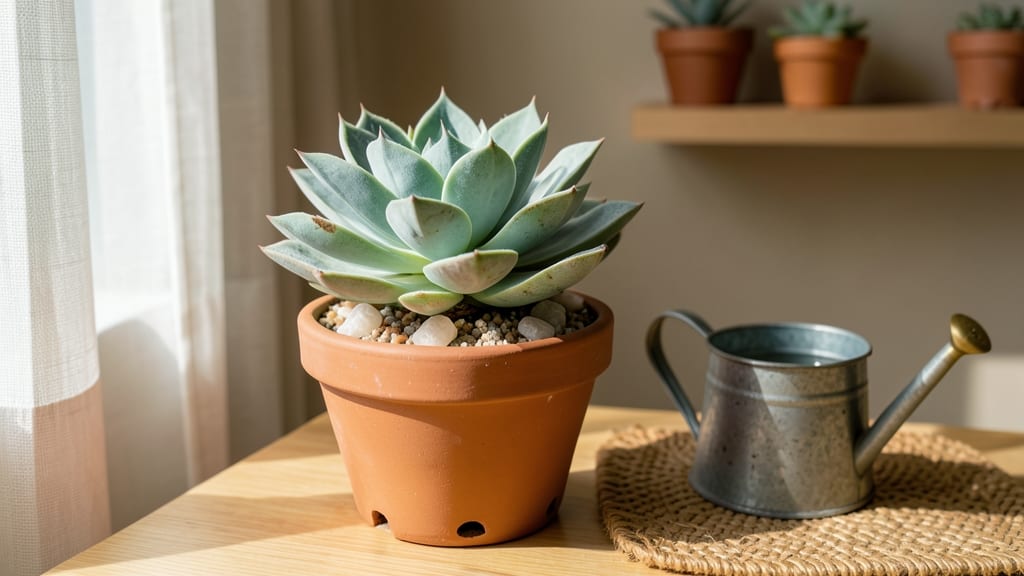
Growing succulents indoors isn’t just possible—it’s shockingly easy once you know their secret: they’re sunbathing plants in disguise. 🌿 I’ve turned my living room into a mini desert with zero fuss, and the key is mimicking their natural habitat without overcomplicating things.
Forget weekly watering; these plants thrive on neglect, as long as you nail three things: light, soil, and patience.
The right setup starts with a sunny windowsill (south-facing is ideal) or a grow light for deeper greens. Use a fast-draining cactus mix—regular potting soil will drown them faster than you can say "root rot."
A shallow pot with drainage holes keeps roots happy, and watering only when the soil is bone-dry ensures they stay plump and perky. Overwatering is the #1 killer, but even beginners get this right after the first try.
By summer, your succulents will reward you with vibrant, jewel-toned leaves that look like they belong in a botanical garden. The best part? Propagation is foolproof—snip a leaf, let it callus for a day, and place it on soil.
Within weeks, you’ll have baby plants ready to share with friends. Even my black thumb can’t kill these.
Low-light spots? No problem. Rotate plants weekly for even growth, and supplement with a 12-inch LED grow bulb for 6 hours a day. Watch for wrinkled leaves (thirsty!) or mushy stems (too much love) and adjust.
Soon, your windowsill will be a lush, low-maintenance oasis that even apartment dwellers can master.
📚 In This Guide
- What you need
- Instructions
- Tips and common mistakes
- Wrapping up and next steps
What you need
- ● Succulent plants: 1–3 small varieties (e.g., Haworthia, Echeveria, or Sedum—start with 3–4" pots for easy handling).
- ● Well-draining pots: 4–6" diameter with drainage holes (terracotta or ceramic, 1–2 pots per plant). Pro tip: 💡 Skip plastic unless it’s vented—succulents hate soggy roots!
- ● Cactus/succulent soil mix: 1–2 bags (avoid regular potting soil—it’s too dense!). Look for blends with perlite, pumice, or sand (e.g., Bonsai Jack’s or Black Gold).
- ● Drainage layer: Small pebbles, lava rock, or coarse sand (½" layer at the pot’s bottom).
- ● Watering can or spray bottle: A thin-spouted one (16–32 oz) to avoid overwatering. Pro tip: 🌡️ Mist leaves only if humidity is <20%!
- ● Sunlight source: South-facing window: 4–6 hours of direct light daily (ideal for most succulents).
- ● Grow lights: 1–2 LED full-spectrum bulbs (12W–20W) on a timer (12–14 hours/day) if natural light is limited.
- ● Decorative stones or moss: For a stylish top layer (e.g., chinensis moss or river rocks).
- ● Plant labels: Waterproof markers or wooden tags to track varieties.
- ● Fertilizer: Balanced liquid fertilizer (5-5-5 or 10-10-10, diluted to half-strength)—use once every 2–3 months in spring/summer.
- ● Humidity tray: A shallow tray with pebbles + water (for tropical succulents like String of Pearls).
- ● Pruning shears: Small, sharp scissors for trimming leggy growth.
Step-by-step instructions for growing succulent plants indoors
Here’s the straightforward method I’ve used to keep my succulents thriving for years—no green thumb required.
🪴 Step 1: Choose the Right Containers and Soil
Succulents hate soggy roots, so pick containers with drainage holes—terracotta pots or ceramic cachepots with a nursery pot underneath work best. I like shallow, wide pots because they mimic their natural desert habitat. Avoid glass containers unless they have drainage.
Use a cactus and succulent mix (never regular potting soil—it holds too much moisture). Mix in 20% perlite or pumice to improve drainage. Fill the pot almost to the top, leaving just ½ inch of space for watering. Tap the pot gently to settle the soil without compacting it.
🌱 Step 2: Plant Your Succulents Correctly
Handle your succulents by their leaves, not the stems—you’ll avoid bruising the delicate tissue. Place each plant in its pot and bury it just enough so it sits at the same depth it was in its nursery container. Press the soil lightly around the base to secure it, but don’t pack it down.
If planting multiple succulents in one pot, space them 2-3 inches apart. Overcrowding leads to competition for water and light, which weakens growth. Water lightly right after planting to help settle the soil, but don’t soak it—succulents prefer dry starts.
☀️ Step 3: Position for Maximum Sunlight
Succulents crave light—place them near a south- or west-facing window where they’ll get 6-8 hours of direct sunlight daily. If your home has low light, a grow light on a timer (12-14 hours/day) works, but natural light is best.
Rotate your pots a quarter turn weekly so all sides get even exposure. You’ll notice leaves stretching toward the light? That’s a sign they need more brightness. If leaves turn pale or get sunburned (red or brown patches), move them slightly farther away.
💧 Step 4: Water with Precision
Wait until the soil is completely dry before watering again—stick your finger 1 inch deep into the soil to check. Water deeply but infrequently: soak the soil until water runs out the drainage holes, then let it dry out fully. This mimics their desert roots’ natural cycle.
Overwatering is the #1 killer of succulents. If the leaves start looking puffy or translucent, you’re watering too often. A good rule: water every 2-3 weeks in winter and every 1-2 weeks in summer, adjusting for your home’s humidity and light.
✂️ Step 5: Maintain and Propagate
Succulents grow slowly, so prune only to remove dead or yellowing leaves. Use clean, sharp scissors to cut just above the leaf joint. If a stem falls over, you can propagate it: lay it on dry soil until it roots (usually 2-3 weeks), then plant it.
Dust leaves occasionally with a soft brush—succulents absorb light through their entire surface, and dust blocks it. Fertilize lightly once in spring with a diluted succulent fertilizer (half the recommended strength). That’s it—no fuss, just let them shine.
Tips & tricks for perfect indoor succulent growth
Here's the thing about succulents—they're forgiving once you get the basics right, but those little details make all the difference. I've lost count of how many plants I've nursed back to life after making these same mistakes.
Soil Mix Matters: The cactus and succulent mix plus 20% perlite isn't just about drainage—it's about aeration. I learned this after my first batch of plants developed root rot from compacted soil. That half-inch gap at the top isn't just for watering; it creates space for air circulation at the soil surface. Pro tip: If you're mixing your own, use coarse sand instead of perlite if you're in a humid climate—it helps even more with moisture control.
Light Positioning Secrets: That 6-8 hours of sunlight isn't just about quantity—it's about quality. I used to think any sunny window would do, but here's what nobody tells you: East-facing windows give softer morning light that's perfect for delicate varieties like echeverias. West-facing windows get intense afternoon sun that works better for tougher types like sedums. And if you're using grow lights, position them just 6-12 inches above the plants—they need that intensity to mimic natural sunlight.
Watering Technique: The finger test at 1 inch deep is your best friend, but here's the part people skip: Check moisture in the morning when the soil is naturally cooler. I've caught myself watering at night when condensation from the shower made the soil feel dry—big mistake. Also, that "soak until it runs out the bottom" rule? Use a tray underneath to catch the runoff, then dump it after 10 minutes. Letting plants sit in water is how you get fungal issues.
Propagation Hack: Those 2-3 weeks for rooting fallen stems? Cut that time in half if you use a rooting hormone. I keep a small bottle in my plant care kit and apply it to cuttings before laying them on dry soil. The hormone speeds up cell division, so you'll see roots forming in about 10 days. Just don't overdo it—once every few months is plenty, or you'll stress the mother plant.
Pro Tips for Grow Succulent Plants Indoors
- Here's the thing about succulents—they're forgiving once you get the basics right, but those little details make all ...
- Soil Mix Matters: The cactus and succulent mix plus 20% perlite isn't just about drainage—it's about aeration. I lear...
- Light Positioning Secrets: That 6-8 hours of sunlight isn't just about quantity—it's about quality. I used to think a...
Frequently asked questions
Got questions about growing succulents indoors? You’re not alone—these plants are low-maintenance but still need a little TLC. Here are answers to the most common queries to help you keep your leafy friends happy and thriving!
How much sunlight do succulents really need indoors?
Succulents crave bright, indirect light for 6–8 hours daily. A south- or east-facing window is ideal, but if natural light is scarce, supplement with a grow light (12–16 hours/day). Watch for pale or stretched leaves—a sign they’re hungry for more sun! Rotate pots weekly for even growth.
How often should I water my indoor succulents?
Water only when the soil is completely dry—usually every 2–4 weeks, depending on humidity and light. Stick your finger 1–2 inches deep; if dry, it’s time! Overwatering is the #1 killer—drainage holes and a shallow pot are your best friends. Pro tip: Mistakes happen? Let the soil dry out fully before trying again!
Can I use regular potting soil for succulents?
Nope! Regular soil holds too much moisture. Mix cactus/succulent soil (or potting soil + perlite/pumice, 50/50) for optimal drainage. Add a handful of coarse sand or chicken grit to improve airflow. Skip the peat-heavy blends—they compact and suffocate roots. Repot every 2–3 years to refresh the mix.
Why are my succulents developing brown spots or mushy leaves?
Brown spots often mean sunburn (too much direct light) or thirst (underwatering). Mushy, translucent leaves? Overwatering is the culprit—roots rot in soggy soil. Act fast: trim damaged leaves, let the soil dry out, and repot in fresh, dry mix if needed. Prevention tip: Water at the base, not overhead!
How do I propagate succulents from cuttings?
Snip a healthy leaf or stem with clean scissors, let it callus over for 1–3 days (place in a dry, shaded spot), then place on top of dry soil or a propagation tray. Mist lightly until roots form (4–6 weeks). Once rooted, transplant to its own pot! Bonus: Use this trick to multiply your collection for free.
Wrapping up and next steps
Growing succulents indoors is easier than you think—just follow these simple steps!
With the right light, soil, and watering routine, you’ll enjoy a thriving, low-maintenance green space that brightens up any room. 🌱 Whether you’re a beginner or a plant parent looking to expand your collection, these sun-loving beauties are the perfect way to bring nature indoors.
Now that you’re armed with all the tips and tricks, pick your favorite succulent variety and get planting! Share your progress with fellow plant lovers or experiment with creative containers—your indoor jungle is just waiting to grow. Happy gardening! 🌿