
Planting
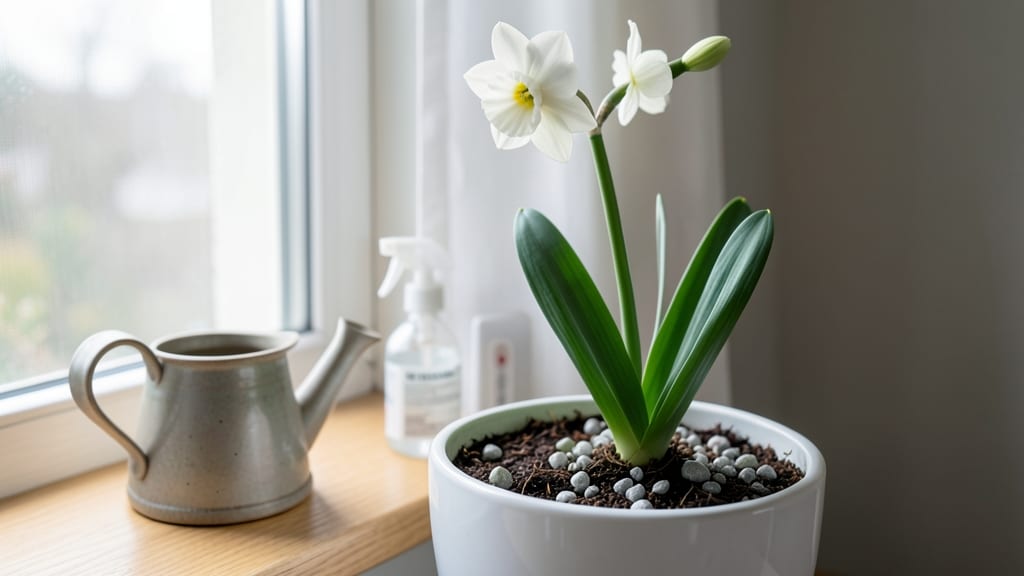
Daffodil plant care indoor is simpler than you think—these sunny blooms bring winter cheer to any windowsill with just a few key steps. 🌱 These cheerful flowers thrive indoors when given bright light, cool temperatures, and a little patience. I’ve forced daffodils in pots for years, and the secret isn’t complicated: mimic their natural dormancy cycle, and they’ll reward you with bold, fragrant blooms even in the dead of winter.
The key starts with chilling bulbs for 10–12 weeks in a cool, dark spot (like a fridge) before planting. Use well-draining potting mix in shallow containers—daffodils hate soggy roots—and place them where they’ll get 6+ hours of indirect light daily.
A south-facing window or grow light works best. Water sparingly until buds appear, then increase slightly to encourage blooming.
Once those trumpet-shaped flowers open, the scent alone makes it worth the effort. 🌼 Expect blooms to last 2–3 weeks, and don’t be surprised if the foliage lingers—let it yellow naturally to feed the bulb for next year.
Repot every 2–3 years to refresh the soil, and you’ll have a year-round display that’s easier than you’d think.
Perfect for beginners, these bulbs forgive minor mistakes—just avoid overwatering and sudden temperature swings. With a little practice, you’ll have vibrant, fragrant blooms gracing your home every winter, proving that indoor gardening doesn’t have to be complicated. Ready to try?
📚 In This Guide
- What you need
- Instructions
- Tips and common mistakes
- Wrapping up and next steps
What you need
- ● Daffodil bulb: 1–3 bulbs (choose Paperwhite or Jonquil varieties for indoor success)
- ● Container: 1 shallow, wide pot (4–6 inches deep) with drainage holes (or a bulb planter)
- ● Potting mix: 1 bag (2–3 quarts) of well-draining, bulb-specific soil or a mix of 50% potting soil + 50% perlite/pumice
- ● Watering can: 1 with a narrow spout for gentle hydration
- ○ Fertilizer (optional but helpful): 1 packet of balanced liquid fertilizer (10-10-10) or bulb-specific food
- ● Trowel or spoon: 1 for planting (or your fingers—bulbs are tough!)
- ● Peat moss or sphagnum moss: Small handful (to cover bulbs if desired)
- ● Gravel or pebbles: Small bag (for drainage layer at the pot’s bottom)
- ● Misting bottle: 1 (to maintain humidity during sprouting)
- ○ Grow lights (optional): 1–2 LED bulbs (6000K–6500K) if natural light is <12 hours/day
Step-by-step indoor daffodil care for year-round blooms
Here's how to keep your paperwhite daffodils thriving indoors—no green thumb required.
🪴 Step 1: Select and Prepare the Right Container
Choose a shallow, wide container with drainage holes—paperwhite daffodils spread roots aggressively in shallow soil. I use a 6-inch-wide ceramic tray because it provides stability and even moisture distribution. Fill it with well-draining potting mix (never garden soil) mixed with perlite or sand to prevent root rot.
Moisten the mix until damp but not soggy—think of a wrung-out sponge. Press it down lightly to remove air pockets, then arrange 10-12 bulbs in a loose cluster, 1 inch deep, with their pointed ends facing up. The bulbs will naturally lean toward light, so place them near the container's edge for balanced growth.
☀️ Step 2: Position for Optimal Light and Temperature
Place your container in a spot with bright, indirect light—a south- or east-facing window works best. Direct sun can scorch leaves, while dim light causes weak, spindly stems. If natural light is insufficient, supplement with a grow light positioned 6 inches above the plants for 12 hours daily.
Keep the room at 65-70°F during the day and 55-60°F at night. Avoid drafts, radiators, or air conditioning vents—temperature fluctuations stress the plants. You'll notice green shoots in 2-3 weeks—that's your signal everything is on track.
💧 Step 3: Water Consistently Without Overdoing It
Water when the top inch of soil feels dry—stick your finger in to check. Use room-temperature water to avoid shocking the roots. I pour slowly until water drains from the bottom holes, then empty the saucer after 15 minutes to prevent soggy soil. Overwatering is the #1 killer of indoor daffodils.
Once buds form, reduce water slightly—let the top ½ inch dry out between waterings. This mimics their natural dormancy cycle and prevents weak stems. You'll see buds swell in 4-6 weeks, followed by fragrant blooms in 6-8 weeks total.
✂️ Step 4: Maintain After Blooming for Next Year's Flowers
After blooms fade, leave the foliage intact for 6-8 weeks—it photosynthesizes to feed the bulb for next year's flowers. Place the container in a bright, cool spot (like a garage or basement) with 50-60°F temperatures and water sparingly—just enough to keep soil from drying out completely.
When foliage turns yellow and dies back, stop watering entirely and let the bulbs rest for 2 months. Then, dig them up, store in a paper bag with dry peat moss, and refrigerate until fall. Replant in well-draining soil outdoors or repeat the indoor process—your daffodils will reward you with another round of blooms.
Tips & tricks for perfect indoor daffodil care
These simple strategies will help you avoid common pitfalls and maximize your paperwhite daffodils' indoor potential.
Container Selection: While a 6-inch ceramic tray works beautifully, you can also use glass bowls or plastic containers with drainage holes—just ensure they're wide enough to accommodate 10-12 bulbs in a loose cluster. The key is shallow depth since paperwhite daffodils develop extensive root systems horizontally. I've successfully used repurposed food trays with added drainage holes, which work perfectly for budget-friendly growing.
Light Optimization: For the 12-hour daily grow light requirement, position it directly above the plants at the specified 6-inch distance. I recommend using a full-spectrum LED grow light, which provides the broad light spectrum daffodils need for photosynthesis. If using fluorescent lights, you may need to increase the distance to 8-10 inches to prevent leaf burn. Rotate the container quarter-turn daily to ensure even growth—this prevents leaning toward the light source.
Watering Technique: The 15-minute drainage period after watering is crucial—it prevents waterlogging that causes root rot. I've found that using a spray bottle for misting between waterings helps maintain consistent moisture without oversaturating. After buds form, reduce watering to every 3-4 days instead of the initial schedule, letting the top ½ inch dry out completely between waterings. This mimics their natural dormancy cycle and strengthens stems.
Post-Bloom Strategy: When maintaining foliage for 6-8 weeks after blooming, place the container in a bright, cool spot with indirect light. I've had success using a well-lit basement window or a north-facing room. During this period, reduce watering to every 7-10 days—just enough to prevent complete soil drying. The foliage's yellowing is a natural process that signals the bulb is storing energy for next year's blooms.
Pro Tips for Daffodil Plant Care Indoor
- These simple strategies will help you avoid common pitfalls and maximize your paperwhite daffodils' indoor potential.
- Container Selection: While a 6-inch ceramic tray works beautifully, you can also use glass bowls or plastic container...
- Light Optimization: For the 12-hour daily grow light requirement, position it directly above the plants at the specif...
Frequently asked questions
Got questions about keeping your Narcissus (daffodil) thriving indoors? You’re not alone! Here are answers to the most common concerns—so you can enjoy those cheerful blooms without the guesswork.
Can daffodils grow indoors year-round, or do they need a dormant period?
Daffodils do need a dormant phase! After blooming, let the foliage yellow naturally (about 6–8 weeks) before trimming. Then, reduce watering and store the bulb in a cool, dry place (like a paper bag in the fridge) for 8–10 weeks. Replant in fall for another cycle. Pro tip: Mimic winter by chilling bulbs—this tricks them into reblooming!
Why aren’t my indoor daffodils blooming?
No blooms? Chances are, your plant isn’t getting enough light or dormancy. Place it near a south-facing window (6+ hours of sunlight daily) and ensure it rests properly. Overwatering or fertilizer overload can also stunt flowers. Try this: Use a grow light for 12–14 hours/day if natural light is weak.
How often should I water indoor daffodils?
Water when the top inch of soil feels dry—usually every 7–10 days. Daffodils hate soggy roots, so use pots with drainage holes and avoid saucers full of water. Watch for: Wilting leaves (overwatering) or crispy edges (underwatering). A moisture meter helps!
What’s the best pot size for indoor daffodil bulbs?
Start with a pot 2–3 inches wider than the bulb’s diameter (e.g., a 6-inch pot for 1 bulb). Too much space = wasted energy; too little = root crowding. Use well-draining soil (like a cactus/succulent mix) to prevent rot. Bonus tip: Add perlite or orchid bark for extra airflow!
Are indoor daffodils toxic to pets?
Yes! Daffodils contain lycorine, a toxin harmful to cats and dogs if ingested. Keep them out of reach and watch for symptoms like vomiting or drooling. Safe swap: Try pet-friendly alternatives like spider plants or Boston ferns.
Wrapping up and next steps
Caring for an indoor daffodil plant is a rewarding journey that brings cheerful blooms and fresh fragrance to your home with minimal effort! 🌸 With the right balance of light, water, and soil, you’ll enjoy their vibrant beauty year after year.
Whether you’re a beginner or a seasoned plant parent, these tips make it easy to keep your daffodils thriving.
Ready to level up your indoor garden? Start by selecting the perfect spot for your daffodil, then watch as it transforms your space with its cheerful charm. Happy planting! 🌱