
Planting
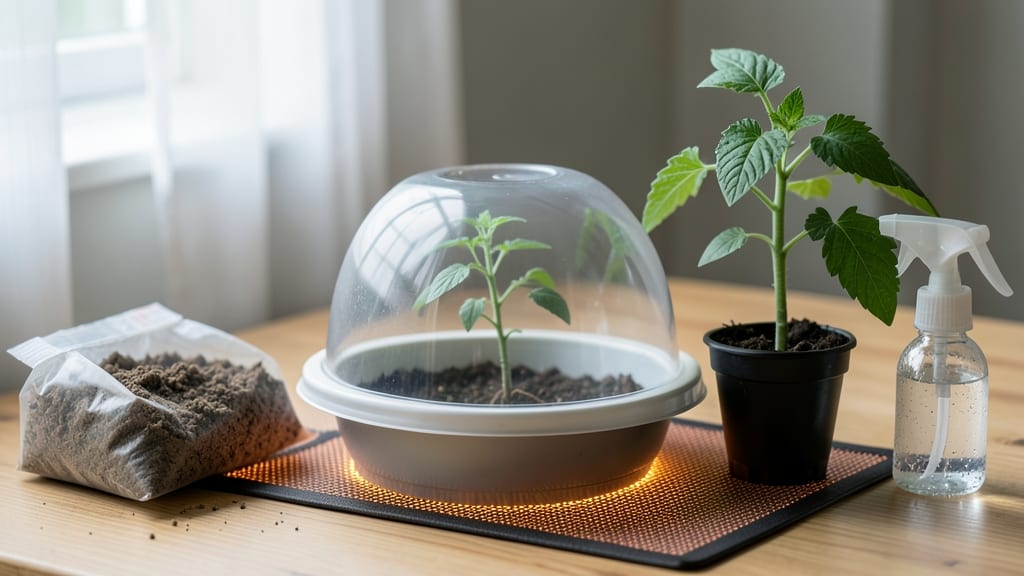
Starting seeds indoors in Illinois requires precise timing to beat the state’s unpredictable last frost dates—a window that shifts between northern and southern regions.
Picture this: You’ve nurtured your 🌱 General Vegetable Seeds for weeks, only to rush them outside too late, watching them wilt under a surprise frost. Or worse, you start them too early and end up with leggy, overgrown seedlings that never thrive.
The difference between success and disappointment often comes down to knowing when to begin indoors.
Illinois’ 5b-6b zones mean your neighbors in Chicago might be planting cool-season crops like lettuce in early February, while gardeners in southern Illinois wait until mid-March. The key is working backward from your average last frost date—April 15 for most of the state—and adjusting for each plant’s maturity timeline.
In this guide, I’ll break down the exact indoor seed-starting schedule for Illinois, from leafy greens to tomatoes and peppers, plus how to avoid the most common mistakes that derail even the best-laid plans.
Illinois frost dates and growing zones: the exact math behind seed-starting timing
Understanding Illinois frost dates is the foundation of successful indoor seed starting. The state spans USDA zones 5b-6b, with Chicago in zone 5b and southern Illinois in zone 6b. These zones determine your last spring frost dates—typically April 15 in northern areas and April 1 in southern Illinois.
Your seed-starting timeline depends on calculating backward from these dates. For example, if your last frost is April 15, you’ll need to start tomatoes (which take 6-8 weeks to transplant) by February 15.
Meanwhile, cool-season crops like spinach can handle light frosts and may start as late as March 1.
The key is matching your plant’s maturity to your frost-free window. Illinois averages 165 frost-free days, but regional variations matter. Southern Illinois enjoys 10-14 extra days of growing season compared to Chicago. Always check local records—the Illinois State Water Survey provides historical frost data.
Warm-season crops (tomatoes, peppers, basil) need 60-90 days of warmth after transplanting. Start them 6-8 weeks before last frost. Cool-season crops (lettuce, spinach, kale) tolerate light frosts and can start 4-6 weeks before last frost or even direct-sow after frost.
Here’s how to calculate your personalized seed-starting dates:
| Plant Type | Days to Maturity | Weeks Before Last Frost | Start Indoors (Chicago) | Start Indoors (Southern IL) |
|---|---|---|---|---|
| Cool-Season Crops (lettuce, spinach, kale) | 30-50 days | 4-6 weeks | March 1 - March 15 | February 25 - March 10 |
| Warm-Season Crops (tomatoes, peppers, basil) | 60-90 days | 6-8 weeks | February 15 - March 1 | February 1 - February 15 |
| Herbs (parsley, cilantro, dill) | 45-60 days | 5-7 weeks | February 25 - March 10 | February 15 - February 25 |
| Root Vegetables (carrots, beets, radishes) | 30-70 days | 4-6 weeks (or direct sow) | March 1 - March 15 | February 25 - March 10 |
For Chicago gardeners, aim to transplant seedlings by May 1 to avoid late frosts. Southern Illinois gardeners can push dates 2 weeks earlier. Always monitor weather forecasts—unpredictable late frosts can still occur, especially in zone 5b.
Pro tip: Use row covers or cold frames to extend your season. These tools add 2-4 weeks of frost protection, letting you transplant earlier or grow cool-season crops later in fall. For example, spinach can often survive until November 1 with protection.
If you’re unsure about your exact frost dates, consult the University of Illinois Extension or local gardening groups. They track historical frost data and can help adjust your seed-starting schedule based on recent trends.
For instance, 2023 saw later frosts in northern Illinois, pushing ideal transplant dates to May 10.
Remember, seedling health depends on more than timing—proper light exposure (14-16 hours/day) and temperature control (65-75°F) are critical. But mastering the frost date math ensures your seedlings are ready when the soil warms up.
Seed-starting timeline by plant type: when to begin indoors for Illinois gardens
Getting your indoor seed starting right in Illinois means working backward from your last frost date, which typically falls around April 15 in most regions.
Since Illinois spans USDA zones 5b-6b, timing can vary slightly between northern and southern areas, but these general guidelines will help you plan ahead for a productive growing season.
For cool-season crops, you’ll want to start seeds indoors earlier to give them a head start before transplanting. Meanwhile, warm-season vegetables can wait until a few weeks later, as they thrive in warmer soil temperatures.
Understanding these distinctions ensures your seedlings are ready to hit the garden at the perfect time.
If you’re unsure about your last frost date, check the Illinois State Water Survey or your local University Extension office for the most accurate data. I’ve found that even a 1-2 week difference can mean the difference between thriving seedlings and stunted plants struggling to catch up.
Pro tip: Mark your calendar with transplant dates and work backward from there. For example, if you plan to transplant tomatoes on May 1, start seeds indoors around March 15 to give them enough time to grow strong before moving outside.
This method keeps your seedlings from becoming overcrowded or leggy.
For herbs like basil and parsley, you can often get away with starting them indoors slightly later (around late March) since they’re more forgiving of cooler temperatures. But for delicate greens like lettuce, early starts are critical to avoid bolting in the heat.