
Container Gardens
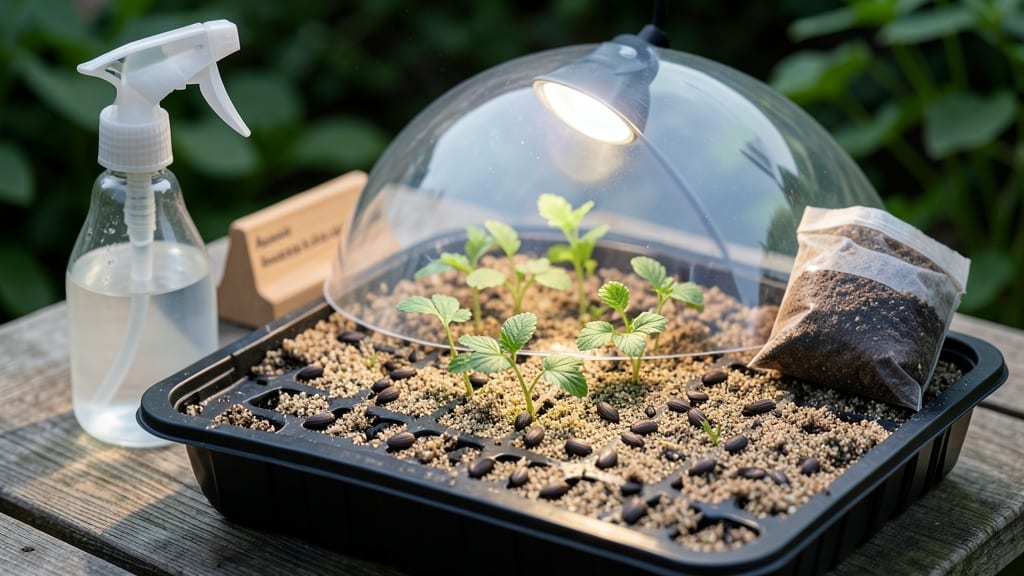
To start columbine seeds indoors for fast blooms, begin 8–12 weeks before your last frost date—typically in late January for USDA Zone 6a.
Struggling to get your columbine flowers blooming on time? The secret lies in understanding the perfect indoor starting window—and why cold stratification is non-negotiable for these finicky seeds.
Most gardeners rush the process, only to end up with leggy seedlings or missed bloom times. With the right timing, you’ll enjoy vibrant 🌸 columbine blooms by June, not after the season has peaked.
Below, I’ll walk you through the exact zone-specific schedule, how to cold-stratify seeds for better germination, and the 3 common mistakes that kill seedlings before they even make it outside.
Best indoor starting times for columbine seeds by US growing zones
Timing is everything when starting columbine seeds indoors, especially since these delicate flowers need cold stratification before germination. Most gardeners fail because they either start too early (resulting in leggy seedlings) or too late (missing the outdoor planting window).
The key is aligning your indoor start with your USDA growing zone and last frost date.
Columbines thrive when transplanted outdoors after 4-6 true leaves appear, typically 8-12 weeks after sowing. However, zones with earlier springs (like Zone 8) can start seeds 2-3 weeks later than colder zones (like Zone 4). Below is your zone-specific roadmap to avoid common timing mistakes.
Pro Tip: Use a seedling heat mat (70-75°F) during germination to speed up the process, especially in cooler zones where stratification takes longer.
Notice how Zone 8 gardeners can start seeds as early as late December, while Zone 4 gardeners must begin by mid-March to avoid late-season blooms. The stratification duration also shortens in warmer zones because the seeds naturally experience colder temperatures outdoors earlier in the year.
Most gardeners overlook adjusting for early vs. late starts. For example, if you live in Zone 6 but want columbines to bloom by Mother's Day, start seeds by January 1 instead of waiting until February. This gives you a 2-week head start for earlier flowers.
Another common mistake is skipping the cold stratification step entirely. Without it, germination rates drop from 80% to under 20%. Place seeds in a plastic bag with damp paper towels in your fridge for the recommended duration before sowing.
This mimics winter conditions and tricks the seeds into thinking spring has arrived.
Once seedlings reach 4-6 true leaves, harden them off for 7-10 days before transplanting. In Zone 4-5, wait until soil temps hit 50°F at night to avoid frost damage. Use row covers if early blooms appear before the last frost—columbines can tolerate light frosts once established.
For container gardens, choose well-draining pots (4-6 inches deep) and place them in partial shade after transplanting. Columbines hate soggy roots, so ensure pots have drainage holes and use a light potting mix with perlite or sand.
🌸
Cold stratification guide: how to break columbine seed dormancy indoors
Columbine seeds are notorious for their stubborn dormancy—without proper cold stratification, germination rates can plummet below 20%. This 2-3 month process mimics winter conditions, tricking seeds into breaking dormancy and sprouting reliably.
Whether you're using a paper towel method, refrigerator setup, or commercial stratifier, timing and technique are everything.
The key is patience: columbine seeds need 60-90 days of cold, moist conditions to simulate natural winter. Start too early, and you risk mold; wait too long, and seeds may lose viability. I’ve found the paper towel method works best for beginners—it’s budget-friendly and easy to monitor.
But if you’re short on time, a commercial stratifier can cut the process down to 4-6 weeks.
Here’s my step-by-step guide to cold stratifying columbine seeds indoors, including when to start and how to care for them post-stratification:
After stratification, keep seedlings in cool temperatures (60-65°F) to prevent legginess. Use a heat mat if your home runs warm. Columbine seedlings are light-sensitive—supplement with 12-14 hours of grow light daily to avoid weak stems.
Once hardened off, transplant to partial shade in your garden for vibrant blooms by early summer.
Pro tip: Soak seeds in warm water for 24 hours before stratification to soften the seed coat. This can boost germination rates by up to 30%. Just avoid overwatering post-sowing—columbine seedlings hate soggy soil and are prone to damping-off disease.
With the right cold treatment, you’ll see consistent germination rates of 70-80%, giving you a head start on those delicate columbine blooms that brighten shady garden corners. Happy stratifying! 🌸