
Container Gardens
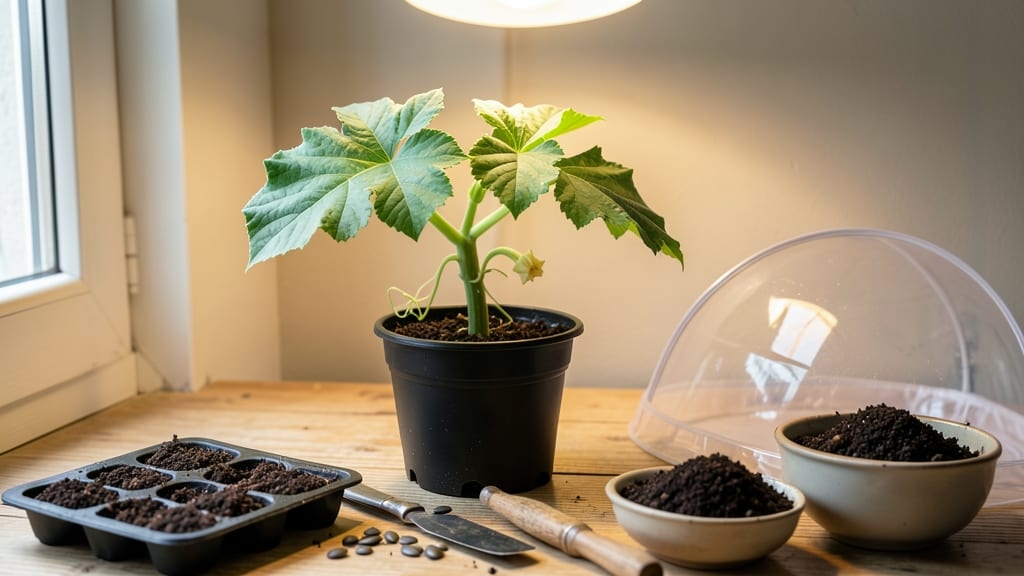
Starting zucchini indoors gives you a 2-week head start on summer harvests—here's how to do it right. 🌱 I learned the hard way that zucchini seeds need warmth and patience, but with the right setup, you'll have stocky seedlings ready for transplanting when the soil warms.
The key is timing, temperature, and avoiding the two biggest rookie mistakes: overwatering and weak light.
You'll need just 4 simple supplies: biodegradable pots (so you can plant them directly), a heat mat (or sunny windowsill), seed-starting mix, and a grow light or south-facing window. Zucchini seeds germinate best at 80-85°F, so if your home stays cooler, a heat mat makes all the difference.
Plant seeds 1 inch deep, two per pot, and keep the soil consistently moist—not soggy.
Within 5-7 days, you'll see those first green shoots breaking through the soil. That's when the real work begins: giving them 12-14 hours of light daily to prevent leggy, weak seedlings.
Once they've got 2-3 true leaves, harden them off for a week before transplanting—this toughens them up for the garden. The payoff? Plants that start producing fruit in just 45-55 days after transplanting.
This method works for any zucchini variety, from classic green to golden or even heirloom types. The secret to success is consistency—warmth, light, and patience. Once you've mastered it, you'll never buy zucchini seedlings again. Let's get those seeds sprouting!
📚 In This Guide
- What you need
- Instructions
- Tips and common mistakes
- Wrapping up and next steps
What you need
- ● Seeds: 3–5 high-quality zucchini seeds (choose a variety like 'Black Beauty' or 'Gold Rush' for reliability).
- ● Seed Starting Trays: 1–2 biodegradable or plastic trays (4–6 inches deep) with drainage holes.
- ● Seed Starting Mix: 1–2 bags of sterile, lightweight potting mix (avoid garden soil—it’s too dense!).
- ● Containers or Pots: 3–4 small pots (2–3 inches in diameter) or cell packs for transplanting seedlings later.
- ● Grow Lights or Sun Lamp: 1–2 full-spectrum LED grow lights (or a sunny windowsill with 6+ hours of light daily).
- ● Spray Bottle: 1 for gentle watering (avoid over-saturating seeds!).
- ○ Heat Mat (Optional but Helpful): 1–2 small heat mats (70–75°F range) to speed up germination.
- ● Humidity Dome: 1–2 clear plastic covers or mini greenhouse domes to retain moisture.
- ● Fertilizer: A balanced, water-soluble fertilizer (like 5-5-5) for post-germination feeding.
- ● Thermometer: 1 small digital thermometer to monitor soil and air temps (ideal: 70–85°F for germination).
- ● Tweezers or Small Spoon: For careful seed placement and transplanting.
Step-by-step instructions for starting zucchini indoors
Here’s how to get a head start on zucchini—strong, healthy seedlings ready to conquer your garden.
🌱 Step 1: Choose Containers and Prepare the Growing Mix
Zucchini seeds need space to grow, so use 4-inch diameter pots or a seed tray with individual cells. I like biodegradable pots because they eliminate transplant shock later. Fill each container with a sterile seed-starting mix—never garden soil, which compacts and slows germination. Moisten the mix until it’s damp like a wrung-out sponge, but not soggy.
Press the soil down gently to remove air pockets, then tap the container lightly on the table to settle it evenly. This ensures roots will establish quickly. If your mix is dry, add a little more water—zucchini seeds need consistent moisture to sprout reliably.
🌱 Step 2: Plant Seeds at the Right Depth and Warmth
Zucchini seeds are large, so plant 1-2 seeds per pot, about 1 inch deep. Press them gently into the soil—too shallow and they’ll dry out before sprouting. Cover lightly with additional mix, then mist the surface with water until evenly damp. A spray bottle works best to avoid disturbing the seeds.
Place the pots in a warm spot (70-85°F). I use a seedling heat mat under my seed tray, which speeds germination to 5-7 days. Without extra heat, germination can take twice as long. Keep the soil consistently moist but never waterlogged—zucchini seeds rot if they sit in cold, wet soil.
☀️ Step 3: Provide Light and Prevent Leggy Growth
The moment seedlings emerge, move them to bright, indirect light. A south-facing window works, but zucchini seedlings stretch toward light quickly—within days, they’ll become leggy and weak. To prevent this, place a grow light 2-3 inches above the plants for 14-16 hours daily. Raise the light as they grow to maintain that distance.
You’ll know your light setup is right when seedlings have dark green, compact leaves and stems that stay sturdy. If they lean or turn pale, they need more light. Rotate pots weekly so plants grow straight instead of bending toward the window.
🌿 Step 4: Thin Seedlings and Harden Off Before Transplanting
Once seedlings have 2-3 true leaves (not the first tiny cotyledons), thin to the strongest plant per pot. Snip the weaker one at the base with scissors—this avoids disturbing roots. Zucchini seedlings grow fast, so thinning early prevents overcrowding and competition for nutrients.
Two weeks before your last frost, start hardening off. Place seedlings outside in a sheltered spot for 1-2 hours the first day, gradually increasing time over 7-10 days. Watch for wilting—if leaves droop, they’re not ready. Hardened-off seedlings will bounce back quickly when transplanted into the garden.
⏰ Step 5: Transplant at the Right Time for Maximum Yield
Move seedlings outdoors after all danger of frost has passed and soil is at least 60°F. Dig holes slightly larger than the root ball, place seedlings in, and firm soil around the base. Water deeply to settle roots. Zucchini thrive in full sun (6+ hours daily), so choose a warm, sunny spot with rich soil.
Here’s the trick: mulch heavily with 2-3 inches of straw or shredded leaves to retain moisture and prevent soil-borne diseases. Within weeks, you’ll see vigorous vines and flowers—signs your early start paid off. Keep soil consistently moist, and expect your first zucchini in 45-55 days.
Tips & tricks for perfect indoor zucchini starts
Ready to give your zucchini a head start? These insider tips will help you avoid common pitfalls and grow seedlings that burst with potential.
Container Wisdom: While 4-inch pots work perfectly, consider using 6-inch pots if you're extending your growing season. Larger containers reduce transplant shock when moving seedlings outdoors, giving roots more room to establish before facing real-world conditions. I've found that zucchini in 6-inch pots develop stronger root systems, which translates to healthier plants in the garden.
Heat Mat Hack: If you don't have a seedling heat mat, place your pots on top of your refrigerator during the day—it generates just enough warmth (around 70-85°F) to speed germination. The key is maintaining consistent warmth without overheating; zucchini seeds need this cozy environment to break dormancy. I've seen germination times cut in half using this simple trick.
Lighting Strategy: For the 14-16 hours of daily light, position your grow light on a timer to automate the process. This prevents leggy growth from inconsistent light exposure. I recommend a full-spectrum LED bulb—it mimics natural sunlight better than standard bulbs and reduces energy costs. Keep the light just 2-3 inches above seedlings, adjusting as they grow.
Transplanting Prep: Two weeks before transplanting, start your hardening process by placing seedlings near an open window at night when temperatures drop. This gradual exposure to cooler temps mimics outdoor conditions and strengthens seedlings. I've noticed that plants hardened this way recover faster after transplanting and show less stress in the garden.
Pro Tips for Starting Zucchini Indoors
- Ready to give your zucchini a head start? These insider tips will help you avoid common pitfalls and grow seedlings t...
- Container Wisdom: While 4-inch pots work perfectly, consider using 6-inch pots if you're extending your growing seaso...
- Heat Mat Hack: If you don't have a seedling heat mat, place your pots on top of your refrigerator during the day—it g...
Frequently asked questions
Got questions about starting zucchini indoors?
Here are answers to the most common ones to help you grow like a pro!
When is the best time to start zucchini seeds indoors?
Start zucchini seeds indoors 4–6 weeks before your last frost date. Since they’re warm-season plants, they thrive in soil temps above 60°F (15°C). Check your local frost dates and plan accordingly—zucchini hates cold! For most regions, late March to early April works well.
Can I start zucchini too early indoors?
Yes, but be cautious! Zucchini seedlings can get leggy and weak if started too soon in dim light. Use grow lights if natural light is limited. If you start too early, transplant seedlings into larger pots or harden them off gradually before moving outside to avoid shock.
What if my zucchini seedlings look weak or yellow?
Yellowing leaves or weak stems often mean overwatering, poor drainage, or nutrient deficiency. Check soil moisture—zucchini likes consistently moist (not soggy) soil. Add a balanced fertilizer (like 10-10-10) if growth stalls. If pests like aphids appear, spray with soapy water or neem oil.
Do I need special containers for indoor zucchini?
Nope! Use any container with drainage holes—pots, trays, or even recycled containers (just drill holes). Zucchini roots grow deep, so aim for at least 6–8 inches deep. If space is tight, opt for self-watering pots to keep moisture steady.
How do I transition zucchini seedlings outdoors?
Start hardening off seedlings 7–10 days before transplanting by placing them outside in partial shade for 2–3 hours daily. Gradually increase sun exposure over a week. Plant after soil warms to 60°F+ (15°C+) and avoid transplanting when temps drop below 50°F (10°C).
Pro Tip:
Label your seedlings! Zucchini varieties (like ‘Black Beauty’ or ‘Eight Ball’) look similar, and keeping track ensures you harvest the right ones. Use popsicle sticks or plant markers—trust me, you’ll thank yourself later!
Wrapping up and next steps
Starting zucchini indoors is a rewarding way to jumpstart your growing season and enjoy an early harvest! With the right setup—like sterilized soil, proper lighting, and consistent warmth—you’ll give your seedlings the best possible start.
Once they’re thriving, transplant them outdoors after the last frost for a head start on the growing season.
Ready to take the next step? Grab your supplies, follow the steps, and watch your zucchini plants flourish! 🌱✨