
Pruning
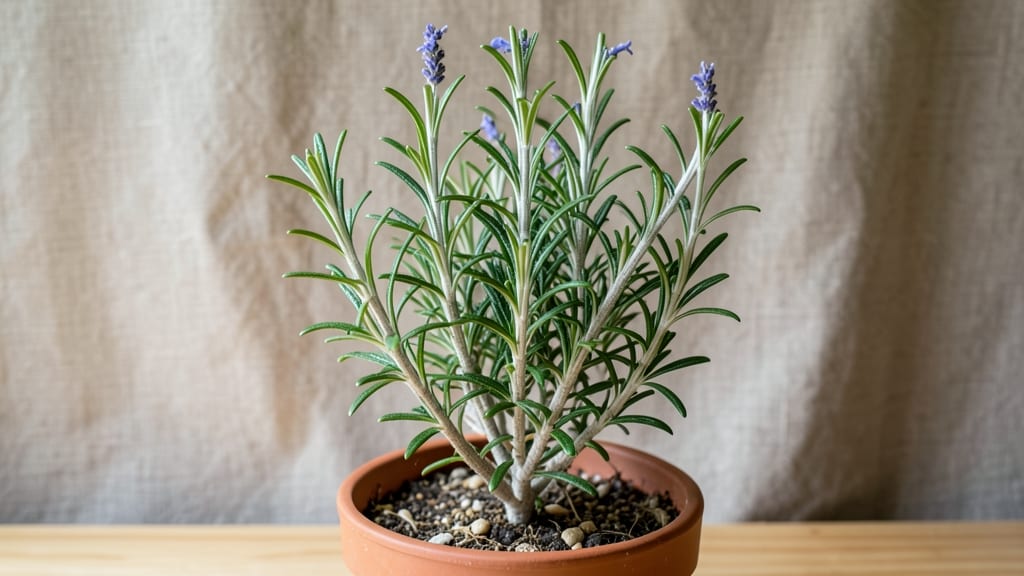
Growing an indoor rosemary tree means fresh herbs and pine-scented air all year—no kitchen windowsill required. 🌿 I’ve kept mine thriving for three winters by mastering the one trick that stops leggy stems: pruning right after new growth appears.
The key is bright light, infrequent watering, and a sharp pair of shears to shape it into a bushy, fragrant plant.
Rosemary needs 6+ hours of sunlight daily, so a south-facing window or grow light is non-negotiable. Water only when the top inch of soil is bone-dry—overwatering is the #1 killer of indoor rosemary.
Use a well-draining potting mix (add perlite or sand) to prevent soggy roots, and a pot with drainage holes to avoid root rot.
Pruning isn’t just about aesthetics—it’s how you keep your rosemary productive. Trim back 1/3 of the leggy stems in early spring, and pinch off flower buds (they drain energy). With the right care, your plant will stay compact, fragrant, and ready for the kitchen—no grocery store herb needed.
Common issues like yellowing leaves or woody stems usually mean too much water or not enough light. Fix it by adjusting your routine, and you’ll have a self-sustaining herb garden that doubles as a living air freshener. The best part? You’ll never buy rosemary again.
📚 In This Guide
- What you need
- Instructions
- Tips and common mistakes
- Wrapping up and next steps
What you need
- ● Rosemary plant: A healthy 1-2 gallon potted rosemary (preferably Rosmarinus officinalis for strong fragrance).
- ● Well-draining pot: 12-16 inches in diameter with drainage holes (terracotta or ceramic preferred).
- ● High-quality potting mix: 2-3 gallons of a cactus/succulent blend or a mix of 60% potting soil + 40% perlite/sand.
- ● Pruning shears: Sharp, clean bypass shears (sterilize with rubbing alcohol between cuts).
- ● Watering can or spray bottle: With a narrow spout for precision watering.
- ○ Grow lights (optional but recommended): 1-2 full-spectrum LED grow lights (12-16 hours/day) if natural light is <6 hours/day.
- ● Humidity tray: A shallow tray with pebbles and water to boost air moisture.
- ● Slow-release fertilizer: 1-2 packets of balanced 10-10-10 or organic rosemary-specific fertilizer.
- ● Mulch or decorative stones: To retain moisture and add aesthetic appeal.
- ● Harvesting basket or jar: For storing fresh pruned sprigs in the fridge.
- ● Soil moisture meter: To avoid over/under-watering (rosemary hates soggy roots!).
Step-by-step guide to growing an indoor rosemary tree
Here's how to cultivate a thriving, fragrant rosemary tree indoors using pruning techniques that encourage bushiness and longevity.
🪴 Step 1: Select and Prepare the Right Container
Choose a 6-8 inch diameter pot with multiple drainage holes—rosemary roots rot quickly in soggy soil. I prefer terracotta because it breathes and helps prevent overwatering. Fill the pot with well-draining cactus or succulent mix (never garden soil). Rosemary thrives in fast-draining conditions, so I always add 20% perlite or coarse sand to the mix for extra aeration.
Place a 1-inch layer of gravel or pumice at the bottom of the pot to improve drainage further. This prevents water from pooling at the roots, which is rosemary's biggest indoor killer. Tap the pot gently after filling to settle the soil without compacting it—you want a loose, airy medium where roots can spread freely.
🌱 Step 2: Plant and Establish Your Rosemary Cutting
Start with a 4-6 inch healthy rosemary cutting from a store-bought plant or a friend's garden. Remove the lower leaves, leaving just a few at the top, then dip the stem in rooting hormone to encourage faster growth. Stick the cutting 2-3 inches deep into the prepared soil, pressing gently but firmly to hold it upright.
Water lightly immediately after planting, then wait 3-5 days before watering again. Rosemary cuttings need time to establish roots before receiving consistent moisture. Place the pot in a bright, indirect light spot (no direct sun yet) and maintain 65-75°F temperatures. You'll see new growth in 4-6 weeks—that's your sign roots have taken hold.
☀️ Step 3: Position for Optimal Light and Airflow
Move your rosemary to a south or west-facing window once new growth appears. Rosemary needs 6+ hours of direct sunlight daily to stay fragrant and compact. If your space lacks strong natural light, supplement with a grow light positioned 6-12 inches above the plant for 12-14 hours daily. Without enough light, stems grow leggy and lose their aromatic oils.
Rotate the pot quarter-turn weekly so the plant grows evenly toward the light. Good airflow prevents fungal issues, so place a small oscillating fan on low setting nearby for 1-2 hours daily. You'll notice stronger, more pungent foliage when the plant gets proper light and circulation—this is the key to that classic rosemary scent.
✂️ Step 4: Prune for Bushiness and Fragrance
Prune your rosemary every 4-6 weeks to encourage dense, aromatic growth. Use clean, sharp pruning shears to trim back one-third of the longest stems just above a leaf node. This stimulates branching and prevents the plant from becoming top-heavy. Always prune in spring or early summer when growth is most vigorous.
Don't prune too late in the season—rosemary needs time to recover before winter dormancy. After pruning, reduce watering slightly since the plant will have fewer leaves to support. Use the trimmed stems immediately in cooking or dry them for later use. The more you prune correctly, the bushier and more fragrant your rosemary will become.
💧 Step 5: Master Watering and Maintenance
Water your rosemary only when the top 2 inches of soil feel completely dry—this prevents root rot. Stick your finger in the soil to check; if it's damp below the surface, wait another day. When you do water, soak thoroughly until water runs from the drainage holes, then empty the saucer immediately. Overwatering is the #1 reason indoor rosemary fails.
Fertilize lightly once in spring with a balanced, water-soluble fertilizer diluted to half strength. Too much fertilizer burns rosemary's delicate roots. Watch for pests like spider mites—wipe leaves with neem oil solution if you spot webbing or tiny yellow specks. With proper care, your rosemary will stay lush and fragrant for years indoors.
Tips & tricks for perfect indoor rosemary trees
Real talk: Growing rosemary indoors isn't just about watering—it's about creating the right environment. Here's what I've learned after watching my first cutting wither (don't make my mistake).
Soil Science: The secret to thriving rosemary isn't just the cactus mix—it's the aeration. I've found that adding 30% perlite instead of 20% gives even better drainage, especially in humid climates. The goal is soil that feels like a dry sponge, not wet sand. After planting, press down gently but firmly—you want to eliminate air pockets without compacting the mix too much. This creates the perfect balance for root development.
Lighting Hack: That 6+ hours of direct sunlight requirement is non-negotiable, but here's a game-changer: If you're using grow lights, position them 8-10 inches away initially and adjust based on leaf color. Pale yellow leaves mean it's too far; deep green means you're golden. I've also noticed that rosemary responds better to LED grow lights than fluorescent—they mimic sunlight more closely and prevent that leggy growth we all dread.
Pruning Pro Tip: When you're trimming those one-third of the longest stems every 4-6 weeks, focus on the outer growth first. This opens up the center for better airflow and light penetration. I've found that using sterilized scissors (dipped in rubbing alcohol) prevents bacterial infections. After pruning, immediately use the trimmings—fresh rosemary loses its aromatic oils within hours when cut. Store them in the fridge wrapped in a damp paper towel for up to a week if you can't use them right away.
Temperature Insight: Those 65-75°F temperatures are ideal, but here's what nobody tells you: Rosemary actually handles brief dips to 50°F surprisingly well, especially if it's acclimated gradually. What kills it is sudden temperature swings. If you're moving your plant between rooms, do it slowly over a few days. I've kept my rosemary thriving in a 70°F kitchen even when it's 55°F at night by placing it on a heat mat during cooler months—just set it to low to maintain that perfect range.
Pro Tips for Indoor Rosemary Tree
- Real talk: Growing rosemary indoors isn't just about watering—it's about creating the right environment. Here's what ...
- Soil Science: The secret to thriving rosemary isn't just the cactus mix—it's the aeration. I've found that adding 30%...
- Lighting Hack: That 6+ hours of direct sunlight requirement is non-negotiable, but here's a game-changer: If you're u...
Frequently asked questions
Got questions about keeping your indoor rosemary tree thriving?
Here are answers to the most common ones—so you can enjoy that fresh, fragrant herb all year long!
How often should I prune my indoor rosemary tree?
Prune your rosemary lightly every 4–6 weeks to encourage bushy growth. Focus on trimming just above a leaf node (where leaves meet the stem) to avoid over-pruning. If you see leggy stems, trim them back by one-third to promote fuller foliage. Pro tip: Prune after harvesting to keep the plant happy!
Can I keep rosemary indoors year-round, or does it need a winter break?
Rosemary thrives indoors year-round if you provide bright light (6+ hours/day) and avoid drafts. However, it may go dormant in winter—reduce watering and keep it in a cooler spot (60–70°F). If leaves yellow or drop, it’s likely overwatered or needs more light. A south-facing window or grow light works best!
Why is my rosemary turning brown or crispy?
Brown, crispy leaves usually mean overwatering or underwatering. Rosemary prefers well-draining soil and dries out between waterings. Stick your finger 1–2 inches into the soil—if it’s dry, water thoroughly. If the soil stays soggy, repot in a mix with perlite or sand to improve drainage.
Can I use kitchen rosemary sprigs to grow a new plant?
Place a 3–4 inch sprig in water (change weekly) until roots form (2–4 weeks). Then, transplant it into well-draining soil and keep it in bright light. For faster success, dip the cut end in rooting hormone. Bonus: This method works best with woody stems (not soft new growth).
What’s the best alternative if rosemary struggles indoors?
If rosemary proves finicky, try these low-maintenance indoor herbs:
- Thyme – Drought-tolerant and thrives in pots.
- Oregano – Hardy and loves sunlight.
- Mint – Fast-growing but invasive (plant in its own container!).
- Parsley – Prefers cooler temps and indirect light.
Wrapping up and next steps
Growing an indoor rosemary tree is a rewarding way to enjoy fresh herbs, soothing aromas, and lush greenery year-round—without the fuss of an outdoor garden! 🌿 With the right pruning tricks, you’ll keep your plant thriving, compact, and full of flavor.
Whether you’re a seasoned gardener or just starting, these techniques make it simple to nurture a healthy, fragrant rosemary tree that’s always ready for cooking or decor.
Ready to take the next step? Start small:
- Pick a sunny spot and snip your first harvest!
- Experiment with pruning styles to find what works best for your space.
- Share your progress—your kitchen (and senses) will thank you!