Container Gardens
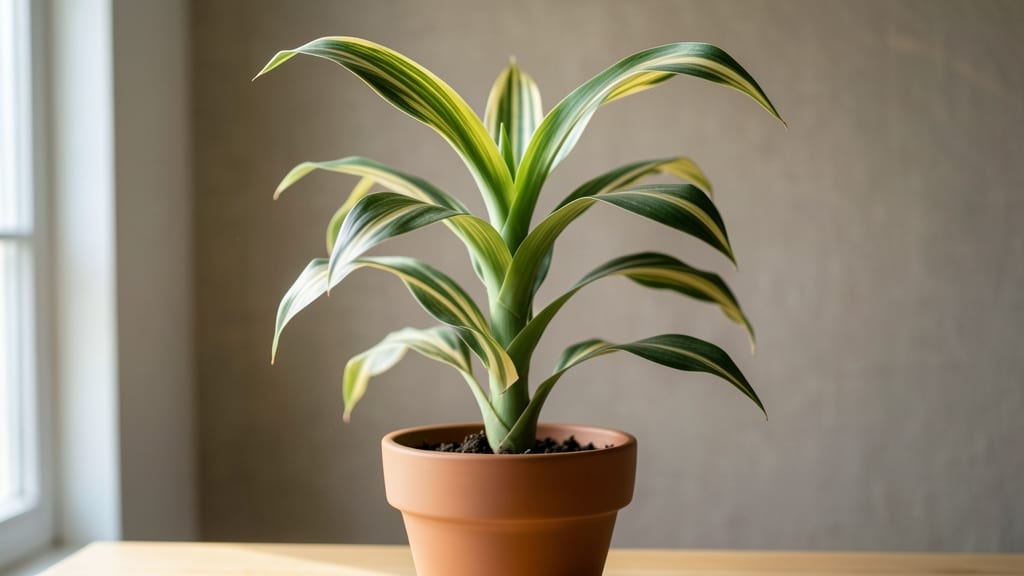
Growing a corn plant indoors brings striking tropical drama to any room—even dim corners. 🌿 I’ve kept mine thriving in my office’s fluorescent glow for years, and the secret isn’t fancy setups but understanding its low-light love.
This plant doesn’t just survive; it grows bold, arching leaves that make every space feel lush and intentional.
The key is patience and consistency: water only when the top 2 inches of soil are dry, use well-draining potting mix, and avoid cold drafts. Overwatering is the #1 killer, but underlighting won’t stress it like it would ferns or calatheas.
With the right balance, you’ll see new growth within 3-4 months, and those signature leaves will become the statement piece in your home.
This plant handles humidity fluctuations better than most tropicals, so no fancy humidifiers are needed—just occasional misting if your air feels dry. Pests like spider mites might visit, but a quick wipe-down with soapy water sends them packing.
The real magic? It purifies the air while looking effortlessly chic, proving you don’t need sunlight to grow something stunning.
Perfect for beginners, busy plant parents, or anyone tired of finicky houseplants. Start with one, and soon you’ll be collecting varieties like ‘Massangeana’ for its golden stripes or ‘Lemon Lime’ for its citrusy scent. Let’s get yours growing!
📚 In This Guide
- What you need
- Instructions
- Tips and common mistakes
- Wrapping up and next steps
What you need
- ● Corn plant (Dracaena fragrans 'Massangeana'): 1 nursery-grown plant (4–6" tall) or a healthy cutting (4–6" long with at least 2–3 leaves).
- ● Well-draining potting mix: 1–2 gallons of cactus/succulent mix or a blend of 50% peat moss, 30% perlite, and 20% sand.
- ● Pot with drainage holes: 1 container (8–12" diameter) with drainage holes. Terracotta or ceramic works best!
- ● Watering can with a narrow spout: 1 (to avoid overwatering).
- ○ Fertilizer (optional but recommended): 1 bottle of balanced liquid fertilizer (10-10-10) or slow-release granules.
- ● Pruning shears: 1 pair (for trimming yellow leaves or shaping).
- ● Spray bottle: 1 (to mist leaves and boost humidity).
- ● Grow lights (LED or fluorescent): 1–2 (if natural light is <5 hours/day).
- ● Peat pellets or moss: 1 pack (for propagation if starting from cuttings).
- ● Decorative cache pot: 1 (if using a cache-pot setup for aesthetics).
Step-by-Step instructions for growing a thriving corn plant indoors
This bold, architectural plant is easier to grow than you'd think—just follow these simple steps.
🪴 Step 1: Select the Right Pot and Soil Mix
Choose a 6-8 inch diameter pot with drainage holes—corn plants hate soggy roots. I prefer terracotta because it breathes and prevents root rot. Fill the pot with a well-draining potting mix blended with 20% perlite or orchid bark to improve aeration. This mix should feel light and airy, not dense like garden soil.
Tap the pot gently on the table to settle the soil without compacting it. The surface should be firm enough to support the plant but still allow moisture to penetrate. If your mix feels heavy, add another 10% perlite—this plant thrives when its roots can breathe.
🌱 Step 2: Plant Your Corn Plant Correctly
Remove the plant from its nursery pot and gently loosen the roots if they're circling. Place it in the center of your prepared pot, ensuring the top of the root ball sits ½ inch below the rim—this prevents water from spilling over during watering. Fill the sides with your potting mix, pressing lightly to eliminate air pockets.
Water thoroughly until water runs freely from the drainage holes. This ensures the roots make full contact with the moist soil. I like to water again after 24 hours to help settle the soil around the roots. Your corn plant will reward you with lush, upright growth if planted at the right depth—too shallow and it topples.
☀️ Step 3: Position for Low-Light Success
Corn plants tolerate low to bright indirect light, making them perfect for north-facing windows or rooms with minimal natural light. Place your plant within 3-5 feet of a window where it receives 4-6 hours of indirect light daily. If leaves start stretching toward the light or turning pale, it's getting too little—rotate the pot ¼ turn weekly to encourage even growth.
Here's the thing—corn plants can handle artificial light too. If your space is dim, position a grow light 12-18 inches above the plant for 12-14 hours daily. You'll notice new leaves emerging within 2-3 weeks of proper lighting—this is your signal everything is working. Avoid direct sunlight, which scorches the delicate foliage.
💧 Step 4: Water and Fertilize for Lush Growth
Water your corn plant when the top 1-2 inches of soil feel dry to the touch. Stick your finger in the soil—if it's damp beyond the first knuckle, wait another day. Overwatering is the #1 killer of corn plants, so always check before watering. When you do water, soak the soil until water drains from the bottom, then empty the saucer to prevent root rot.
Feed your plant every 4-6 weeks during spring and summer with a balanced liquid fertilizer (like 20-20-20) diluted to half-strength. I skip fertilizing in fall and winter when growth slows. Yellow leaves often signal over-fertilizing—rinse the soil with water if this happens to flush out excess salts.
✂️ Step 5: Prune and Maintain for Long-Term Health
Corn plants grow tall and leggy, so prune regularly to encourage bushiness. Snip the top 2-3 inches of leggy stems just above a leaf node to promote branching. Remove any yellow or brown leaves immediately—they drain energy from the plant. I also dust the leaves with a damp cloth monthly to keep them clean and help them absorb light efficiently.
Rotate your plant ¼ turn weekly to prevent it from growing lopsided toward the light. If you notice pests like spider mites (tiny webs on leaves), treat with neem oil or a soapy water spray. Corn plants are generally pest-resistant, but low humidity can attract trouble—mist the leaves occasionally if your home is dry.
Tips & tricks for perfect indoor corn plant care
Let’s cut to the chase—these are the game-changers that’ll keep your corn plant thriving without the guesswork.
Soil Mix Secrets: The 20% perlite or orchid bark in Step 1 isn’t just fluff—it’s what keeps those roots breathing. If your mix feels compacted after tapping the pot, add another 10% perlite. Think of it like giving your plant’s roots a spa day: loose, airy, and never soggy. The goal is soil that holds moisture but drains like a dream, not a swamp.
Root Ball Placement Matters: When you plant your corn plant in Step 2, that ½-inch depth below the rim isn’t arbitrary. It’s the difference between a stable plant and one that topples like a Jenga tower. Press the soil lightly around the edges—just enough to eliminate air pockets, but don’t pack it like you’re building a wall. The roots need to settle naturally, not be suffocated.
Lighting Hacks for Low-Light Spaces: The 4-6 hours of indirect light in Step 3 is your sweet spot, but here’s the trick: if your plant starts stretching toward the window (a sign it’s hungry for more), it’s time to rotate it. That weekly ¼ turn keeps growth even, not lopsided. And for those dim corners? A grow light 12-18 inches above for 12-14 hours daily works like magic—just watch those new leaves appear in 2-3 weeks as your reward.
Watering Wisdom: That 24-hour wait after planting in Step 2 isn’t just a suggestion—it’s critical. It lets the soil settle and roots establish without drowning. For ongoing care, the top 1-2 inches dry test is foolproof, but here’s the pro move: water until it drains from the bottom, then empty the saucer. No one likes soggy roots, and your corn plant will thank you with vibrant foliage instead of yellowing leaves.
Pro Tips for Indoor Plants Corn Plant
- Let’s cut to the chase—these are the game-changers that’ll keep your corn plant thriving without the guesswork.
- Soil Mix Secrets: The 20% perlite or orchid bark in Step 1 isn’t just fluff—it’s what keeps those roots breathing. If...
- Root Ball Placement Matters: When you plant your corn plant in Step 2, that ½-inch depth below the rim isn’t arbitrar...
Frequently asked questions
Got questions about growing Dracaena fragrans (corn plant) in your indoor space?
You’re not alone! Here are the most common concerns—plus quick, expert-backed answers to keep your bold-leaved beauty thriving.
How often should I water my corn plant?
The corn plant’s thick, waxy leaves store water, so less is more! Water when the top 1–2 inches of soil feel dry (about every 2–3 weeks). Overwatering causes root rot—stick your finger in the soil to check! Pro tip: Use a pot with drainage holes to prevent soggy roots.
Why are the tips of my corn plant turning brown?
Brown tips usually mean low humidity or fluoride in tap water. Try these fixes:
- Mist leaves weekly or place a pebble tray under the pot.
- Use filtered or distilled water to avoid chemical buildup.
- Wipe leaves gently with a damp cloth to remove dust.
How fast does a corn plant grow, and how tall can it get?
Corn plants grow moderately fast—expect 6–12 inches per year with proper care. Indoors, they typically reach 4–6 feet tall, but they can grow taller in bright, indirect light. Prune leggy stems to encourage bushier growth and control height. Fun fact: They’re slow to mature but live for years with the right conditions!
Can I grow a corn plant from cuttings?
Propagate corn plants in spring or summer for best results:
- Cut a 4–6 inch stem just below a node (where leaves grow).
- Remove lower leaves, leaving 2–3 at the top.
- Dip the cut end in rooting hormone (optional but helpful).
- Plant in moist perlite or sand and keep humid (use a plastic bag as a mini greenhouse).
- Wait 4–6 weeks for roots to form before transplanting!
What’s the best alternative if my space is super low-light?
If your corn plant struggles in dim light, try these low-light tolerant alternatives:
Plant
Why It Works
ZZ Plant (Zamioculcas zamiifolia)
Nearly indestructible—survives on neglect and thrives in 50+ feet of low light.
Snake Plant (Sansevieria)
Air-purifying and zero-maintenance—grows in artificial light too!
Pothos (Epipremnum aureum)
Fast-growing vine that adapts to low light and trails beautifully.
Wrapping up and next steps
Bringing a corn plant (Dracaena fragrans 'Massangeana') into your home isn’t just about adding vibrant, architectural foliage—it’s about embracing a low-maintenance, air-purifying superstar that thrives even in dim corners. 🌿 With its striking yellow-edged leaves and resilience, this plant is perfect for beginners and plant parents alike, proving that great style doesn’t require bright light.
Whether you’re gifting it to a friend or treating yourself, your space (and lungs!) will thank you.
Ready to level up your indoor jungle? Start by picking up a corn plant today, and soon you’ll be the envy of every plant lover—one bold leaf at a time! 🌟