
Size
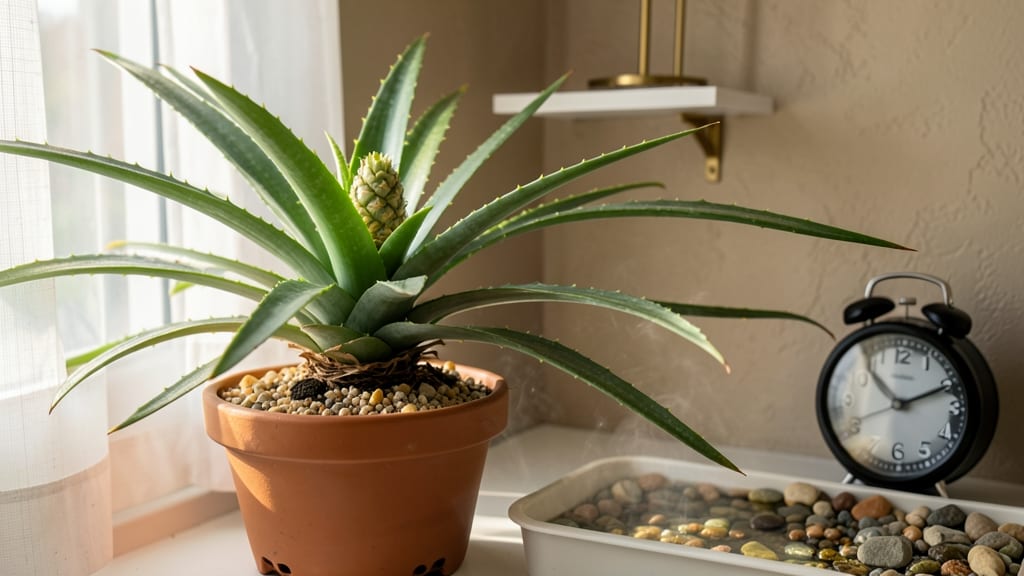
Growing a pineapple indoors takes 18 to 24 months from crown to ripe fruit, but the real adventure starts with that first spiky leaf.
Picture this: a tiny pineapple top perched in a sunny kitchen window, slowly unfurling into a tropical centerpiece that could one day bear fruit. It’s not just a plant—it’s a living experiment in patience and care.
But how do you turn that optimism into a realistic timeline? That’s what we’re breaking down here, from the first green shoot to the day you slice into your homegrown harvest.
The journey begins with germination, where the crown’s roots take hold in 4 to 8 weeks. Then comes the growth phase, where your pineapple 🍍 might surprise you with rapid leaf expansion—if you give it the right light, water, and nutrients.
But here’s the catch: flowering and fruiting don’t happen overnight. Many indoor growers hit a roadblock when their plant refuses to bloom, and that’s where the real secrets lie.
Inside, you’ll discover the month-by-month milestones that turn a pineapple into a fruit-bearing powerhouse, plus the tweaks that can shave months off your wait time. Ready to grow your own? Let’s get started.


Indoor pineapple growth timeline: month-by-month breakdown of key stages
Growing a pineapple indoors from just a pineapple crown is a patience-testing but incredibly rewarding process. Unlike store-bought fruit, your homegrown pineapple will take 18 to 24 months to mature—assuming ideal conditions. Understanding each growth stage helps you set realistic expectations and troubleshoot delays early.
The journey begins with root development in the first few months, followed by rapid leaf expansion and eventually the dramatic flowering phase. Even with perfect care, some stages may take longer indoors due to limited sunlight exposure and controlled environments. Let’s break down what to expect each month.
| Stage | Timeframe | Key Milestones | Care Focus |
|---|---|---|---|
| 1. Germination | Months 1-3 | Roots emerge, first 1-2 leaves appear | Keep soil moist but not soggy, provide bright indirect light |
| 2. Vegetative Growth | Months 4-12 | Leaves grow 6-12 inches tall, root ball expands | Repot if roots crowd container, fertilize monthly with 10-10-10 |
| 3. Mature Leaf Stage | Months 13-18 | Plant reaches 2-3 feet tall, flower bud forms (small purple spike) | Increase sunlight exposure to 6+ hours daily, reduce watering slightly |
| 4. Flowering | Months 18-20 | Pink flower blooms, develops into tiny fruit over weeks | Hand-pollinate with toothpick, maintain high humidity (60%+) |
| 5. Fruit Development | Months 20-24 | Fruit grows from green to golden-yellow, sweet aroma develops | Harvest when 75% yellow and leaves brown at base |
During the first 3 months, your pineapple crown will focus entirely on establishing roots and initial leaves. This stage is the most critical—if roots fail to develop, the plant won’t survive.
Place the crown in a well-draining mix of perlite and peat, and keep it in a warm spot (70-80°F) with bright light.
By month 6, your pineapple should have 6-8 healthy leaves and a visible root system. This is when you’ll notice the first signs of active growth.
If leaves appear yellow or mushy, you’re likely overwatering—pineapples hate soggy roots. Adjust to watering only when the top 1 inch of soil feels dry.
The 12-month mark is when things get exciting. Your pineapple will start producing longer, straighter leaves and may even develop a small purple flower bud at its center. This bud is your first clue that fruiting is on the horizon.
If you don’t see this by month 18, your plant may need more sunlight or fertilizer.
Flowering typically occurs between months 18-20, and this is where many indoor growers hit a snag. The pink flower may not self-pollinate effectively indoors. To help, use a toothpick to gently transfer pollen from one flower to another.
Once pollinated, the flower will turn into a tiny fruit that grows over several months.
From month 20 onward, your pineapple’s fruit will undergo its most dramatic transformation. The green skin will turn golden-yellow, and a sweet, tropical aroma will fill the room. This is your cue that harvest is near!
The entire process from planting to fruiting can take up to 24 months, but with optimal care, some gardeners see fruit as early as 18 months.
Remember, patience is key—indoor pineapples grow slower than outdoor tropical varieties. Celebrate each milestone, from the first root to the final harvest. With the right light, soil, and humidity, your kitchen could soon be filled with the scent of homegrown pineapple! 🍍
Critical factors that speed up or delay pineapple growth indoors
Your indoor pineapple’s growth speed hinges on five critical factors: light, temperature, humidity, soil quality, and container size. Each plays a starring role in determining whether your plant thrives in 18 months or stretches toward 3 years before fruiting.
Let’s break down how to optimize each for faster, healthier growth.
First, light exposure is non-negotiable. Pineapples crave 6+ hours of bright, indirect sunlight daily. Without this, growth slows dramatically—expect 50% longer to reach flowering stage. A south-facing window is ideal, but supplement with a grow light if natural light falls short.
I’ve seen plants near east or west windows take nearly twice as long to fruit.
Next, temperature must stay between 70°F and 85°F. Below 60°F, growth nearly halts, while above 90°F stresses the plant. My pro tip: Use a small space heater near your pineapple in winter if your home runs cool. Consistency is key—fluctuations confuse the plant and delay milestones.
- 🌱 Light Exposure: 6+ hours daily cuts growth time by 40%. Without it, expect 2+ extra years to fruit. Use grow lights 12-14 hours/day if natural light is weak.
- 🌡️ Temperature: Keep 70°F-85°F year-round. Below 60°F, growth stops. Above 90°F, leaves scorch. A heat mat in winter helps maintain warmth.
- 💧 Humidity: 50-70% humidity speeds growth by 30%**. Below 40%, leaves brown and growth stalls. Use a pebble tray or humidifier near the plant.
- 🪴 Soil Quality: Well-draining, acidic soil (pH 4.5-6.5) prevents root rot and speeds nutrient uptake. Mix 50% cactus soil with 50% perlite for ideal conditions.
- 📏 Container Size: Start with a 6-inch pot and upgrade to 12-18 inches by year 2. Root-bound plants grow 2x slower. Use terracotta pots to prevent overwatering.
Humidity is another game-changer. Pineapples thrive in 50-70% humidity, but most homes hover around 30-40% in winter. I’ve found that increasing humidity with a pebble tray or humidifier can shave off 6-12 months from the growth timeline. Dry air causes leaf tips to brown, signaling stress that delays flowering.
Don’t overlook soil quality. Pineapples despise soggy roots, so well-draining, acidic soil (pH 4.5-6.5) is a must. I mix 50% cactus soil with 50% perlite to create the perfect aerated medium.
Poor soil drains nutrients too quickly or holds too much moisture, both of which stunt growth by 30-50%.
Finally, container size matters more than you’d think. Start with a 6-inch pot, but upgrade to 12-18 inches by the plant’s second year. Root-bound pineapples grow 2x slower because their roots can’t access enough nutrients or water. Terracotta pots are ideal—they wick away excess moisture and prevent rot.
By mastering these five factors, you’ll give your indoor pineapple the best shot at fruiting in 18-24 months instead of waiting years. Start with light and temperature, then fine-tune humidity, soil, and pot size. Your patience—and your pineapple—will thank you! 🍍