
Container Gardens
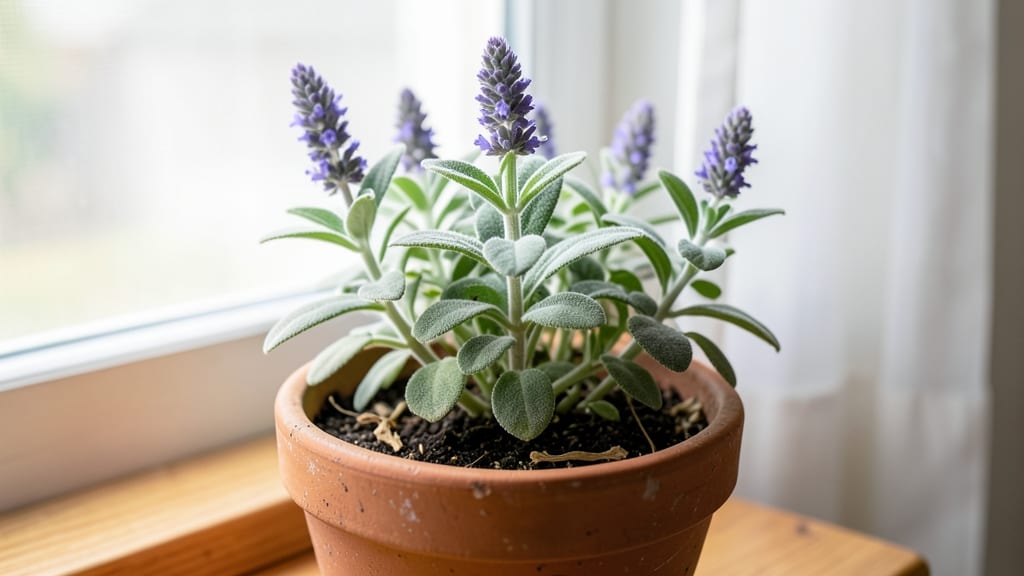
Growing sage indoors is absolutely possible with the right conditions: place it near a south-facing window or under full-spectrum grow lights for 6-8 hours daily, use a well-draining pot (at least 12 inches wide), and water only when the top inch of soil feels dry. Regular pruning keeps it lush, while consistent moisture prevents root rot.
Sage thrives indoors when you mimic its Mediterranean habitat—think bright light and good airflow. 🌿 The key is preventing soggy soil, which causes root rot and yellow leaves; I’ve found terracotta pots work best because they wick away excess moisture.
For flavorful harvests, keep temperatures between 60-75°F and avoid drafts from vents or AC units, which stress the plant. Even with these basics, many growers forget that sage prefers room to breathe—crowding it in a cramped pot leads to leggy stems and weak growth.
Once established, indoor sage can live for years with proper care. The trick is balancing water—too little causes wilting, while too much drowns the roots. I recommend checking soil moisture weekly, especially in winter when heating systems dry out the air.
For extra flavor, pinch back the tips regularly to encourage bushy, aromatic foliage. With these adjustments, your indoor sage will reward you with fragrant leaves perfect for cooking.
💡 In This Article
- Optimal Indoor Sage Light and Temperature Requirements
- Choosing the Right Pot and Soil for Indoor Sage Growth
Optimal indoor sage light and temperature requirements
Sage thrives indoors when it receives the right balance of light—specifically, bright, indirect sunlight for 6-8 hours daily.
This herb evolved in Mediterranean climates where it adapts to intense sunlight, but direct indoor sun can scorch its leaves. 🌞 The ideal light spectrum mimics natural sunlight, with wavelengths between 400-700 nanometers (visible light range) being most critical.
If natural light is insufficient, full-spectrum grow lights (like LED bulbs with a 10,000-12,000K color temperature) can bridge the gap, especially in winter when daylight fades.
The temperature range of 60-75°F is crucial because sage is sensitive to extreme fluctuations. Below 55°F, growth slows dramatically, while temperatures above 80°F can cause wilting or leaf drop. I’ve noticed that indoor heating systems—particularly forced-air vents—create microclimates that disrupt this balance.
Place your sage 3-4 feet away from heat sources to avoid stress. The plant’s hardy nature means it can tolerate brief dips in temperature, but consistent warmth is key for steady growth and robust flavor development.
Light intensity directly impacts both growth rate and leaf potency.
Sage grown under moderate to high light conditions develops 10-15% more essential oils (like thujone and camphor) than plants in low light, which translates to a stronger aroma and taste. 🌿 If your sage starts stretching toward the light (a sign of etiolation), it’s not getting enough intensity.
Rotate the pot quarter-turns weekly to ensure even exposure, and supplement with a timer-controlled grow light if needed. Yellowing leaves often signal overwatering, but pale, sparse foliage usually means insufficient light.
Troubleshooting common issues starts with observing leaf color and growth patterns. Leggy stems with sparse leaves indicate low light exposure, while crispy, brown edges suggest overheating or dehydration. Sage’s natural resilience means it can recover from mild neglect, but chronic problems require immediate adjustments.
For example, if leaves turn yellow and mushy, reduce watering and improve airflow by trimming nearby plants. Conversely, if growth stalls in winter, increase light exposure or switch to a grow light to maintain photosynthesis levels.
One often-overlooked factor is humidity. Sage prefers 40-50% relative humidity, but indoor air—especially in winter—can drop to 20-30%, causing leaf edges to dry out. 💧 A simple pebble tray with water beneath the pot (not touching the roots) can raise humidity locally without overwatering.
Avoid misting the leaves directly, as sage’s fuzzy texture traps moisture, promoting fungal issues. Balancing these conditions ensures your indoor sage stays healthy, productive, and flavorful year-round.
For maximum flavor, harvest leaves in the morning after the plant has had 8-10 hours of light. The essential oils are most concentrated at this time, making your homegrown sage ideal for seasoning dishes like roasted chicken or homemade stuffing.
With the right light and temperature setup, your indoor sage can thrive for 3-5 years, providing a steady supply of aromatic leaves without the need for outdoor space.